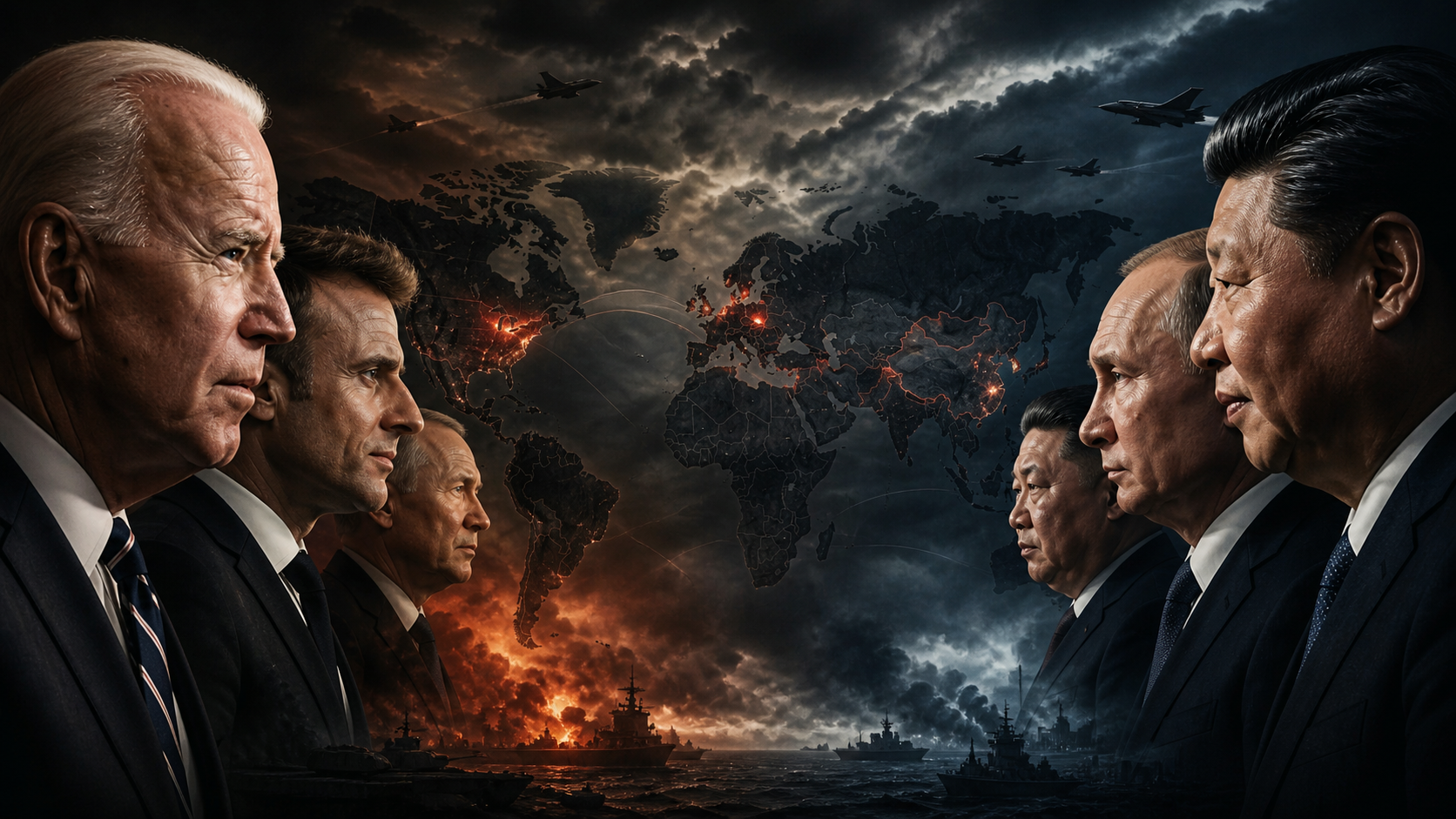
Rational Strategy, Fear, and the Paradox of Violence
Across the world, conflicts continue—
in regions like Ukraine and the Middle East,
war remains a recurring reality.
Lives are lost.
Economies collapse.
And yet, despite the cost,
nations still choose war.
This raises a difficult question:
In an age of reason and progress,
why does violence remain a rational option?
1. Is War Irrational—or Strategic?
War is often seen as the result of anger or hatred.
But from the perspective of international politics,
war is frequently a calculated decision.
States consider war for strategic reasons:
- Securing national security
- Accessing resources
- Expanding influence
- Stabilizing domestic politics
In this sense, war is not always a breakdown of reason—
but sometimes an extension of it.
What appears irrational on the surface
may, under certain conditions, be seen as a rational strategy.
2. The Role of Fear: The Security Dilemma
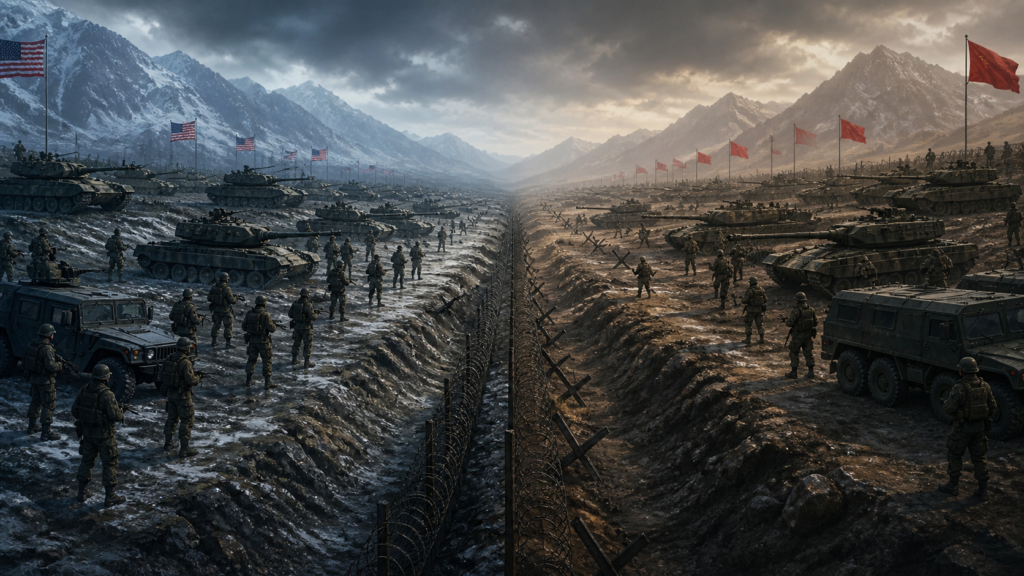
International relations are shaped by uncertainty.
One state’s defensive action—
such as military expansion—
can be interpreted by others as a threat.
This creates what is known as the security dilemma.
Even without aggressive intentions,
states may escalate tensions out of fear.
War, in this context,
does not begin with hostility—
but with mistrust.
3. War as a Tool of Domestic Politics
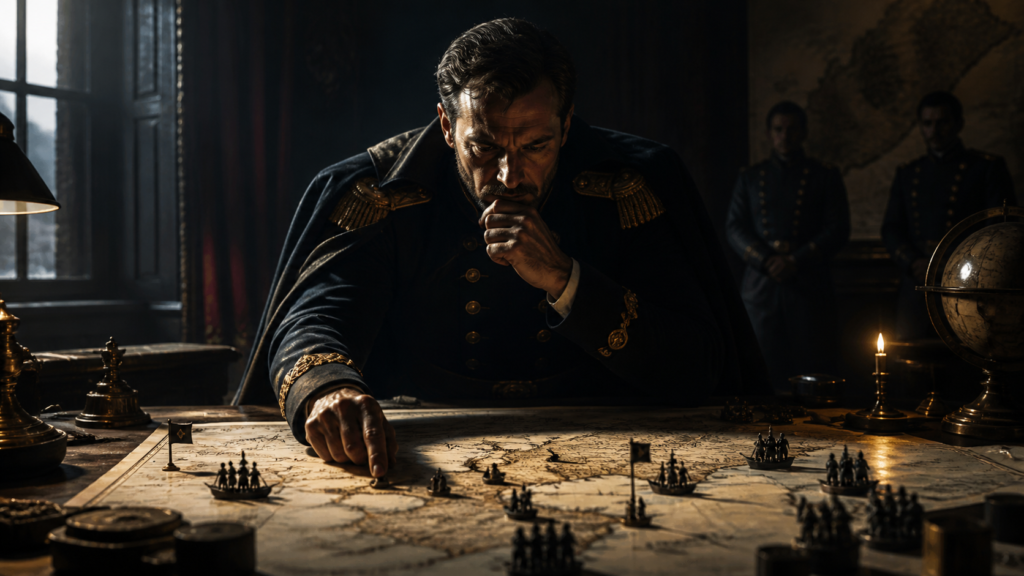
War is not only about external conflict.
It can also function as a response to internal pressures:
- Economic crises
- Political instability
- Social divisions
Leaders may mobilize external conflict
to unify internal support.
In such cases, war becomes
a tool for maintaining power.
4. Philosophical Perspectives on Violence
Thomas Hobbes: Conflict as Human Nature
Hobbes described the natural condition of humanity
as a “war of all against all.”
In international relations,
where no overarching authority exists,
this condition persists.
War, therefore, is not an exception—
but a structural possibility.
Carl von Clausewitz: War as Politics
Clausewitz famously argued that
“war is the continuation of politics by other means.”
From this perspective,
war is not a failure of diplomacy—
but another form of it.
It is a strategic instrument used to achieve political goals.
Hannah Arendt: Violence and the Crisis of Power
Arendt distinguishes between power and violence.
- Power arises from collective agreement
- Violence emerges when power weakens
War, then, may signal not strength—
but instability.
Conclusion: Choice—or Structure?
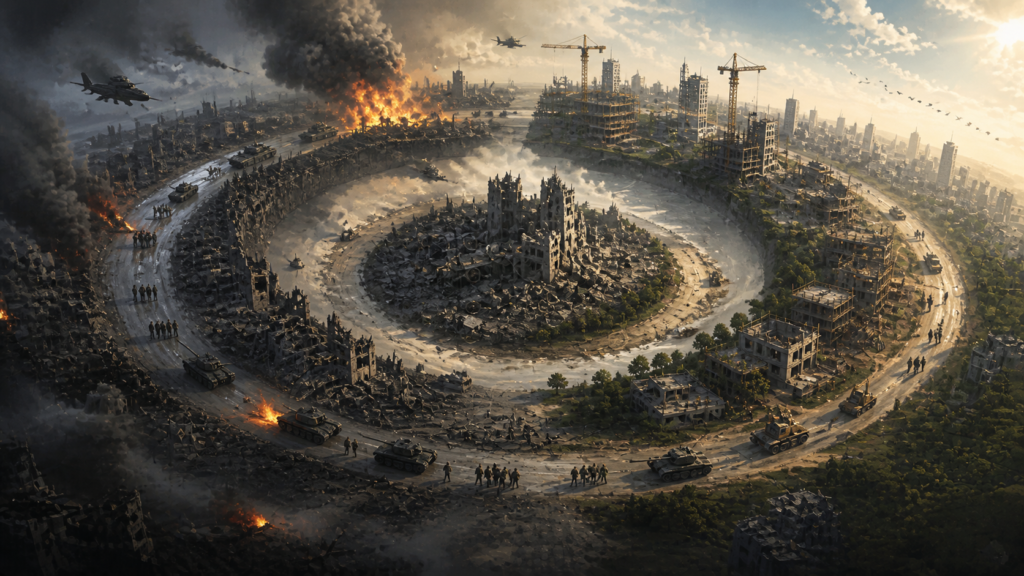
We often describe war as irrational.
But in reality, it emerges from a combination of:
- Strategic calculation
- Fear and mistrust
- Domestic political pressures
- Structural conditions of the international system
War is not simply a choice.
It is often the result of systems
that make conflict difficult to avoid.
A Question for Readers
Do you believe war is something humans can truly prevent—
or is it an unavoidable outcome
of the systems we have created?
Related Reading
War is often shaped not only by external threats, but by the internal dynamics of power and control.
In Why Does Politics Create Conflict While Promising Solutions?, political systems are shown to rely on tension and division as a way to maintain authority and mobilize support.
At the same time, the expansion of state power increasingly takes subtle and technological forms.
In How Much Surveillance Is Too Much?, modern governance reveals how control can operate not through open force, but through continuous monitoring and data-driven systems.
References
1. Hobbes, T. (1996). *Leviathan.* Cambridge: Cambridge University Press.
Hobbes describes the natural condition of humanity as a state of constant insecurity and conflict. This framework helps explain why war can persist in systems without a central authority, such as international relations.
2. Clausewitz, C. von (1989). *On War.* Princeton: Princeton University Press.
Clausewitz defines war as the continuation of politics by other means, emphasizing that conflict is often a strategic tool rather than a breakdown of rationality.
3. Arendt, H. (1970). *On Violence.* New York: Harcourt, Brace & World.
Arendt distinguishes between power and violence, arguing that violence often emerges when political authority weakens, offering a deeper interpretation of war as a symptom of instability.
4. Waltz, K. N. (1979). *Theory of International Politics.* Reading, MA: Addison-Wesley.
Waltz introduces structural realism, showing how the anarchic nature of the international system compels states into competition and makes conflict a recurring possibility.
5. Mearsheimer, J. J. (2001). *The Tragedy of Great Power Politics.* New York: W. W. Norton & Company.
Mearsheimer argues that great powers are driven to seek dominance for survival, explaining why war can emerge not from irrationality, but from strategic necessity.
Leave a Reply