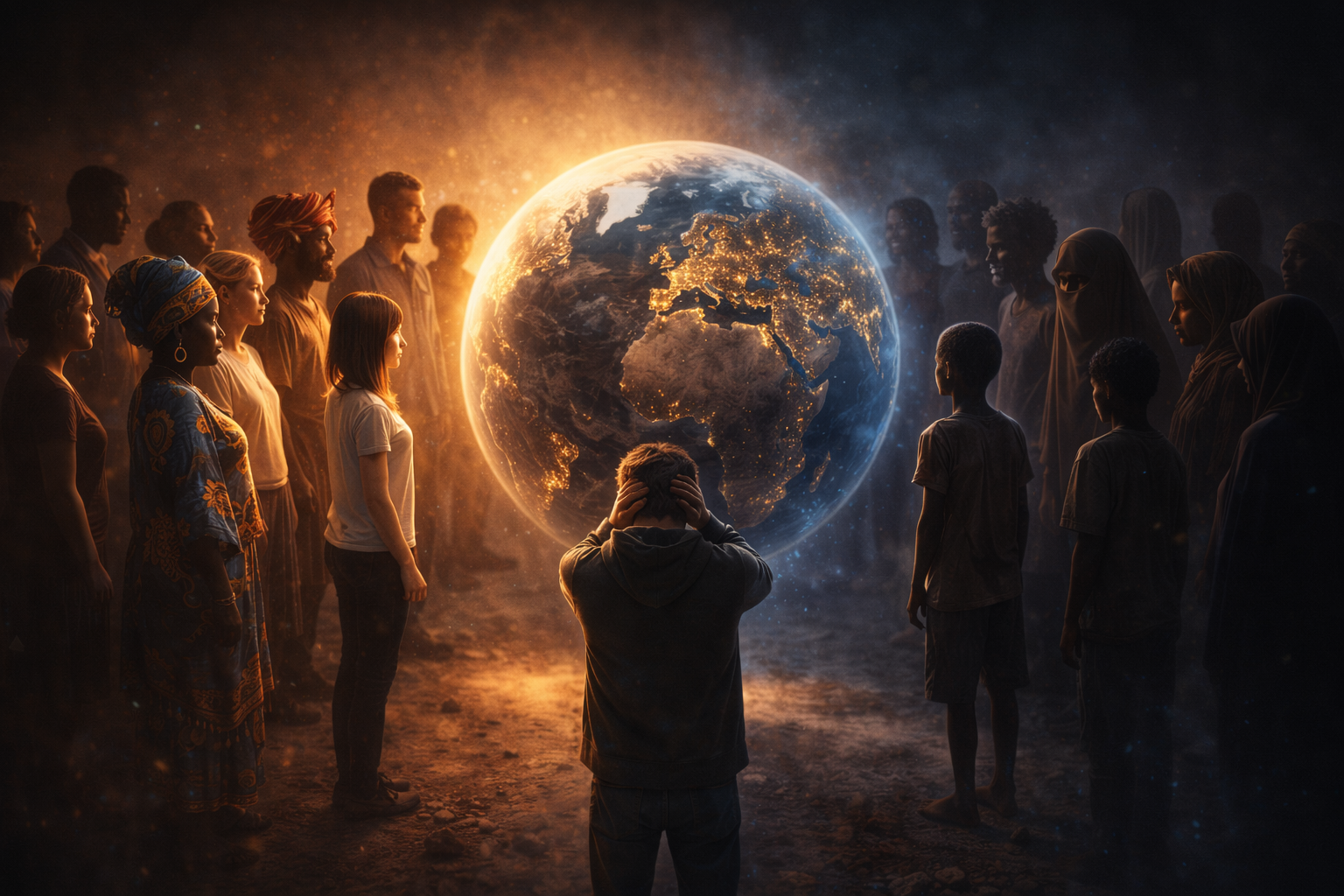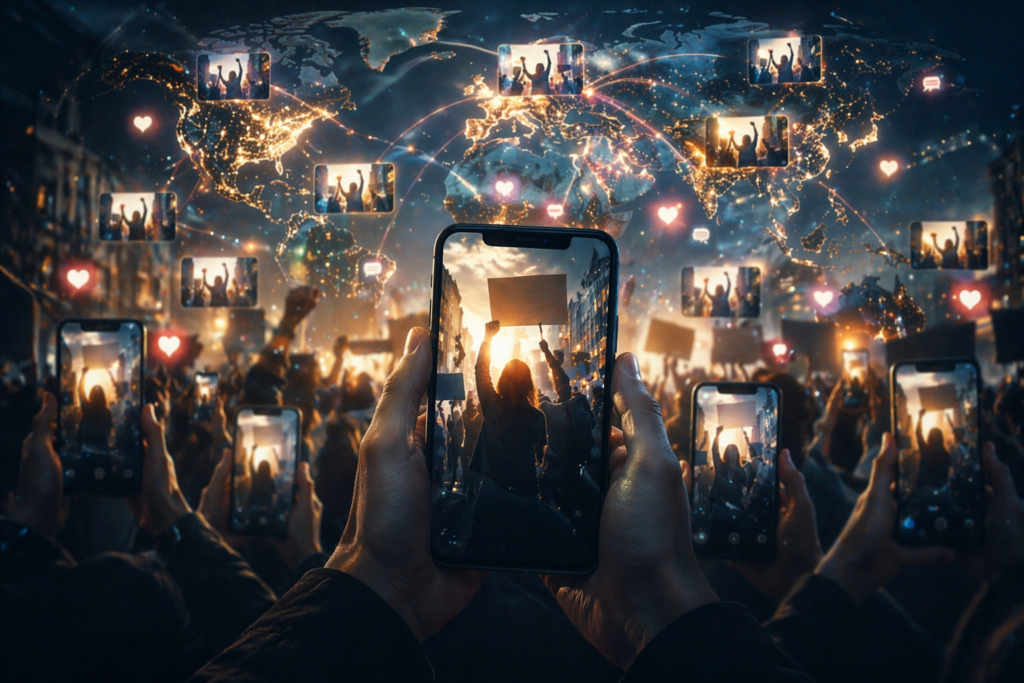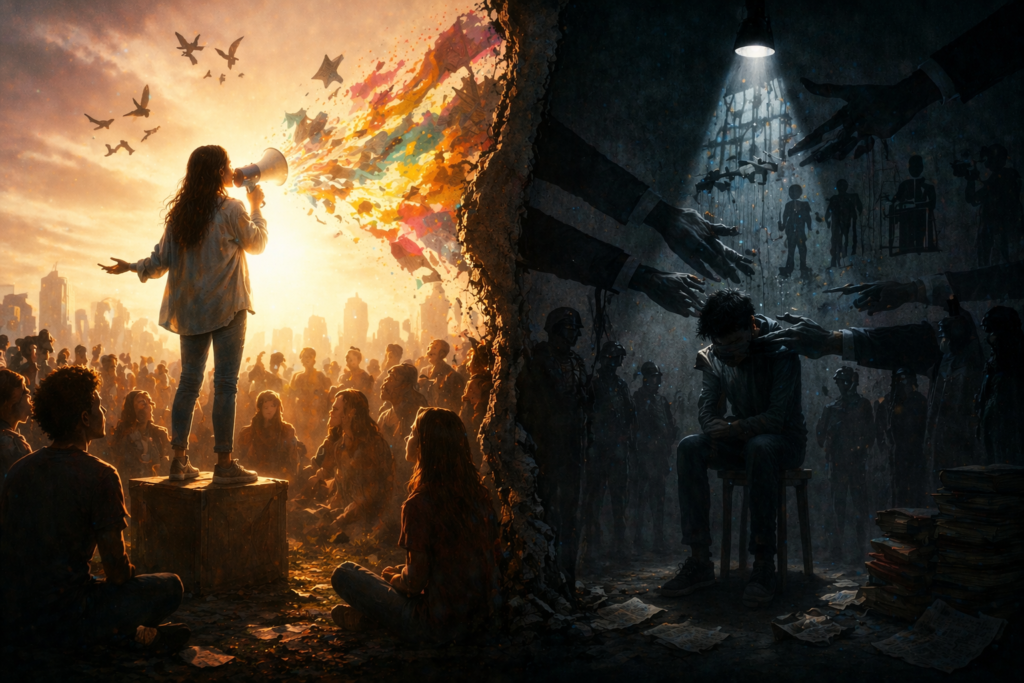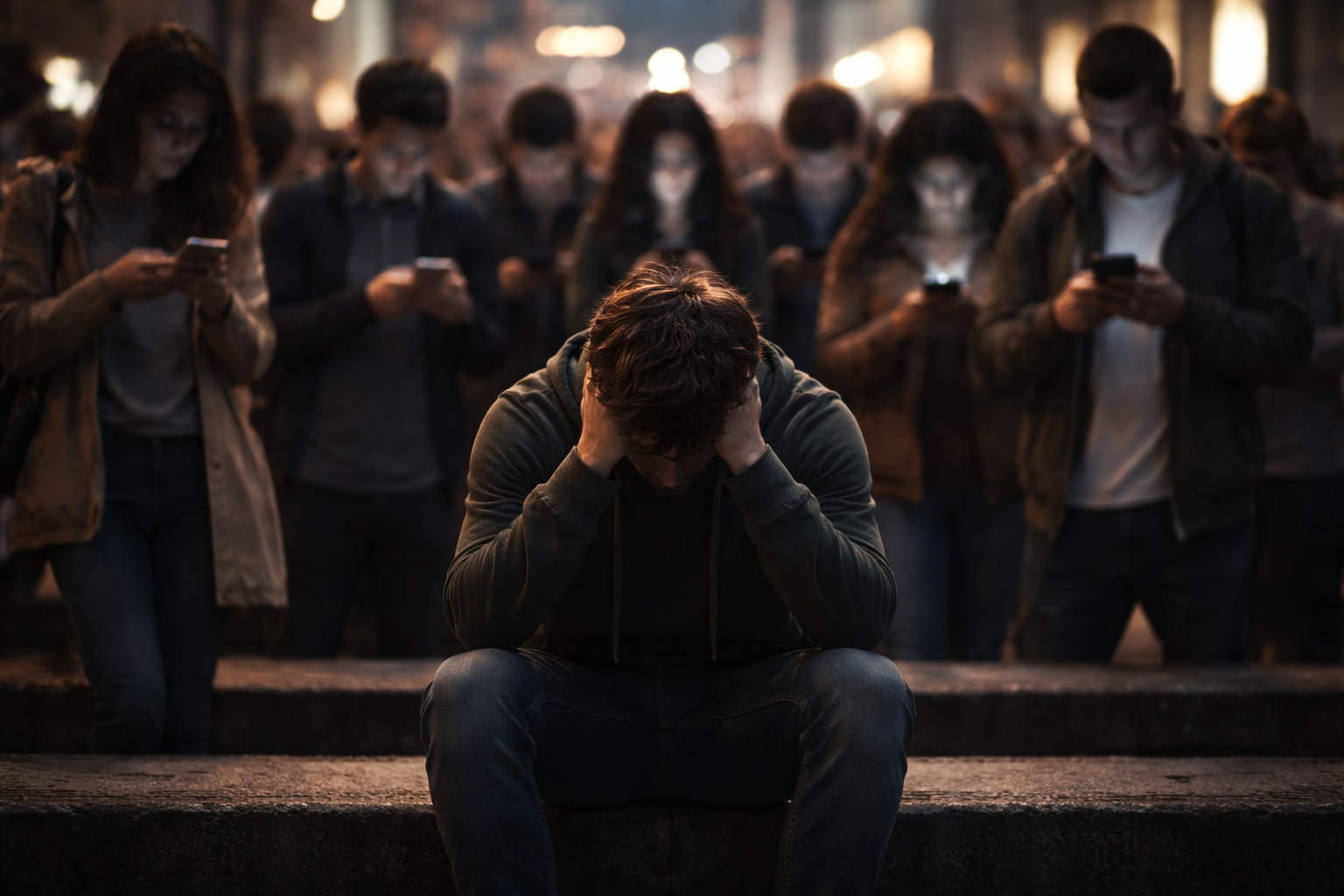
Tag: Knowledge and Wisdom

  • Global Mega-Sport Events: Opportunity, Cost, and the Future of Hosting

    Global Mega-Sport Events: Opportunity, Cost, and the Future of Hosting

    What does it really mean to host the world?
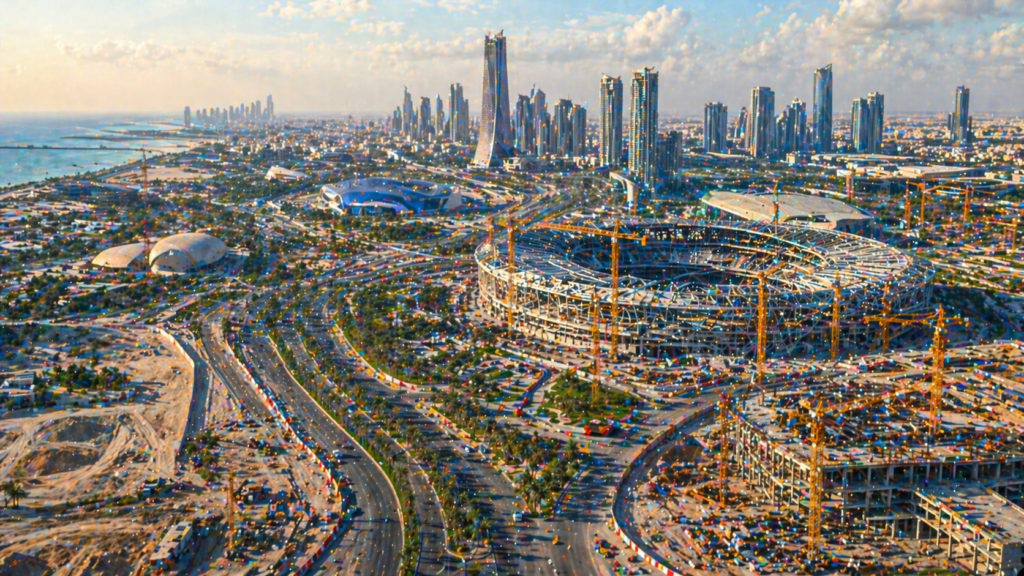
    city preparing sports event infrastructure

    From the Olympics to the FIFA World Cup,
    mega-sport events are among the most visible global spectacles.

    They promise prestige, growth, and unity—
    but often come with hidden costs and long-term consequences.

    As cities compete to host these events,
    a deeper question emerges:

    Are these events opportunities for progress—
    or burdens in disguise?


    1. The Promise: Why Countries Want to Host

    1.1. Economic Boost and Tourism

    Mega-events attract millions of visitors.

    Hotels, restaurants, transport, and retail industries
    often experience significant short-term growth.

    Events like the FIFA World Cup
    can inject billions into the host economy.


    1.2. Global Visibility and National Branding

    Hosting a global event places a country
    at the center of international attention.

    The 1988 Seoul Olympics and the 2008 Beijing Olympics
    helped redefine national identity on the global stage.

    These events are not just competitions—
    they are narratives about national progress.


    1.3. Infrastructure Development

    Large-scale events often accelerate development:

    • Stadiums
    • Transportation systems
    • Urban renewal projects

    These improvements can reshape cities for decades.


    2. The Cost: Hidden Challenges and Risks
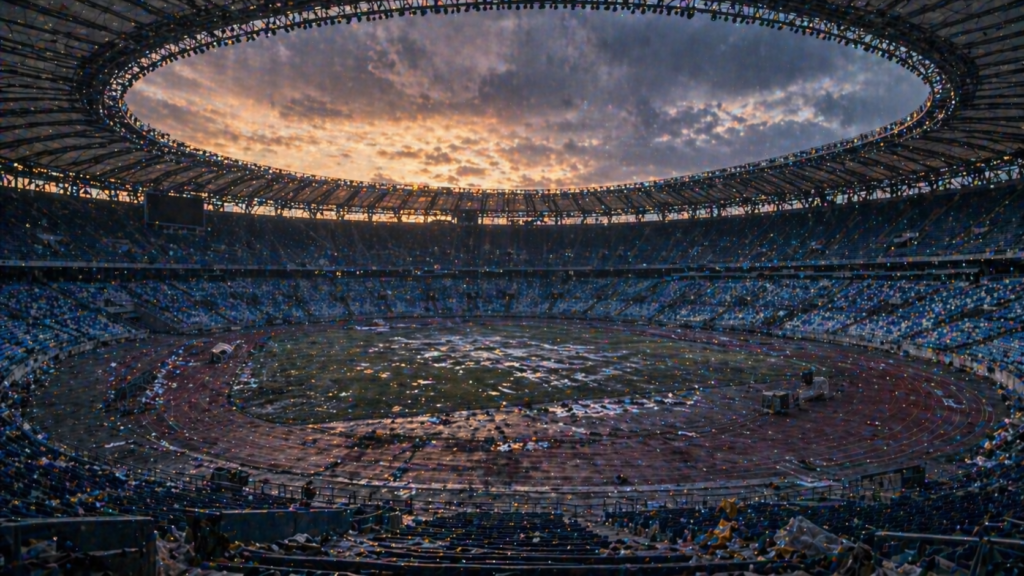
    empty stadium after sports event

    2.1. Massive Financial Burden

    Hosting costs can reach tens of billions of dollars.

    Many cities struggle to recover investments.

    The 2016 Rio Olympics left behind unused facilities—
    a symbol of “white elephant” infrastructure.


    2.2. Environmental Impact

    Mega-events require large-scale construction
    and increased energy consumption.

    Deforestation, carbon emissions, and waste
    have become major concerns.

    This has led to the rise of “green Olympics” initiatives.


    2.3. Social Tension and Displacement

    Urban redevelopment can lead to:

    • Displacement of local communities
    • Rising living costs
    • Public resistance

    Not all citizens benefit equally
    from these global events.


    3. A New Model: Rethinking How Events Are Hosted

    3.1. Multi-Country Hosting

    The 2030 FIFA World Cup
    will be co-hosted by Spain, Portugal, and Morocco.

    This model distributes costs and infrastructure demands.

    It also reflects a shift toward cooperation
    rather than competition.


    3.2. Smart Technology Integration

    Modern events now include:

    • AI-based stadium management
    • Digital ticketing systems
    • VR and remote viewing experiences

    Technology is transforming not only how events are managed—
    but how they are experienced.


    3.3. Sustainability as a Core Principle

    Recent events focus on:

    • Carbon reduction
    • Renewable energy
    • Reuse of existing venues

    The 2028 Los Angeles Olympics
    aims to minimize new construction entirely.


    4. The Future of Mega-Sport Events

    4.1. Shared Hosting Will Expand

    More countries will collaborate
    to reduce financial risk.


    4.2. Digital Experience Will Grow

    Fans may increasingly experience events:

    • Online
    • In virtual spaces
    • Through immersive technologies

    4.3. Sustainability Will Be Mandatory

    Future events will be judged not only by success—
    but by environmental responsibility.


    Conclusion
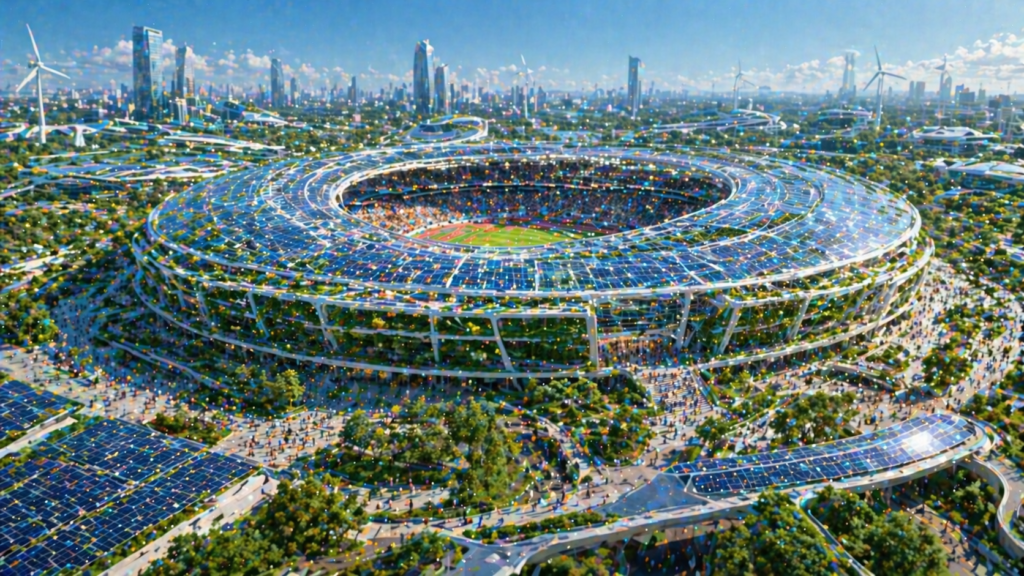
    sustainable smart stadium future

    Mega-sport events are no longer just about sport.

    They are about identity, economy, technology,
    and the future of global cooperation.

    The real challenge is not whether to host—
    but how to host responsibly.

    So the next time a city celebrates winning a bid,
    we might ask:

    Who truly benefits from hosting the world?

    Question for Readers

    Do global sports events truly benefit societies—or do they serve a select few behind the scenes?

    Related Reading


    When global events promise unity, are they truly inclusive—or do they deepen inequality beneath the surface?
    In Are Cities Symbols of Progress—or Spaces of Inequality?, we explore how large-scale development projects can both elevate and divide societies, revealing the hidden social dynamics behind global progress.


    If participation becomes easier in the digital age, does it also become more superficial?
    In Clicktivism in Digital Democracy: Participation or Illusion?, we examine how modern engagement—much like global sports fandom—can blur the line between genuine involvement and symbolic participation.


    References

    1. Toohey, K., & Veal, A. J. (2007). The Olympic Games: A Social Science Perspective. CABI.
      This book provides a comprehensive analysis of the economic, social, and political impacts of the Olympic Games, offering insight into both benefits and long-term challenges.
    2. Müller, M. (2017). The Mega-Event Syndrome. Journal of the American Planning Association.
      Müller critically examines why mega-events often exceed budgets and fail to deliver promised benefits, highlighting systemic planning issues.
    3. Gaffney, C. (2010). Mega-events and the Urban Economy. Journal of Urban Affairs.
      This study explores how large-scale events reshape cities economically and socially, with a focus on inequality and sustainability concerns.

  • From Personal Pain to Collective Healing: The Power of Social Solidarity

    From Personal Pain to Collective Healing: The Power of Social Solidarity

    No one suffers entirely alone.

    person alone in quiet dark room

    We often think of pain as something deeply personal—
    a private burden carried in silence.

    Yet behind every individual struggle
    lies a broader social context.

    Loss, illness, trauma, and emotional distress
    do not exist in isolation.

    They are shaped, amplified,
    or eased by the world around us.

    So the question is not only how individuals heal—
    but how societies choose to respond.


    1. When Pain Becomes a Social Issue

    Personal suffering becomes transformative
    when it is recognized as a shared concern.

    1.1. Mental Health and Public Systems

    Mental health challenges—such as depression, anxiety, and PTSD—
    affect millions of people worldwide.

    When treated as private weakness,
    they isolate individuals.

    But when recognized as public issues,
    they open pathways for collective solutions.

    Countries like Finland and Denmark
    have integrated mental health into public welfare systems:

    • Free access to counseling
    • Workplace mental health programs

    These policies reflect a shift:

    From individual blame → to collective responsibility


    1.2. Reducing Stigma Through Visibility

    Stigma often prevents people from seeking help.

    However, public conversations are changing.

    When public figures speak openly about mental health,
    they normalize vulnerability.

    This shift transforms suffering:

    From something hidden → to something acknowledged

    And acknowledgment is the first step toward healing.


    2. Trauma and Collective Recovery

    people sharing comfort together

    Some forms of suffering cannot be addressed individually.

    They require collective response.

    2.1. Shared Trauma in Crisis

    War, disasters, and large-scale tragedies
    create collective trauma.

    After events like 9/11,
    community-based recovery programs
    helped individuals process grief together.

    Healing, in these contexts,
    is not just psychological—

    it is social.


    2.2. Art as a Space for Healing

    Art provides a language for pain
    when words are not enough.

    In post-disaster communities in Japan,
    survivors engaged in collective art practices
    to express and process trauma.

    Similarly, artistic projects
    have allowed marginalized voices
    to transform personal pain into shared narratives.

    Through art, suffering becomes:

    • Visible
    • Meaningful
    • Shared

    3. When Personal Pain Becomes a Social Voice

    Pain can also become a form of communication.

    3.1. Literature and Shared Experience

    Many literary works transform individual suffering
    into collective understanding.

    Stories allow readers to:

    • Recognize themselves
    • Understand others
    • Build empathy

    Through narrative, pain is no longer isolated—
    it becomes relational.


    3.2. Cultural Movements and Emotional Connection

    Modern culture also reflects this shift.

    Films, music, and campaigns
    increasingly address mental health and identity.

    These expressions do more than represent pain—
    they create communities around it.

    And in community,
    healing begins.


    4. Strengthening Social Solidarity

    If healing is collective,
    then solidarity must be intentional.

    4.1. Expanding Public Support

    Access to mental health care
    should not depend on income or status.

    Equitable systems are essential.


    4.2. Building Community-Based Care

    Local networks—families, communities, institutions—
    play a crucial role.

    Healing is often relational,
    not individual.


    4.3. Supporting Cultural Expression

    Art, storytelling, and dialogue
    must be encouraged.

    They turn private pain
    into shared understanding.


    Conclusion

    people walking toward healing light

    Personal suffering may begin individually—
    but it does not have to end there.

    When societies recognize pain,
    support it,
    and respond to it collectively,

    healing becomes possible.

    Not as an isolated journey,
    but as a shared process.

    So perhaps the deeper question is:

    When someone suffers,
    do we stand as observers—

    or as participants in their recovery?

    Question for Readers

    When someone around you is suffering, do you see it as their struggle—or something we all share responsibility for?

    Related Reading


    If personal suffering calls for collective healing, why do we sometimes turn away from others’ pain?
    In Why Do We So Easily Turn Away from Others’ Suffering?, we explore the psychological and social mechanisms behind indifference—revealing that social solidarity begins not with systems, but with our willingness to face discomfort and respond to it.


    What if the strength of a society is not measured by power—but by how deeply its members are connected?
    In The Sociology of Waiting in Line, we examine how everyday social behaviors reflect deeper structures of trust, fairness, and shared experience—suggesting that even small interactions reveal the foundation of collective solidarity.

    6. References

    1. Durkheim, É. (1897). Suicide: A Study in Sociology. The Free Press.
      Durkheim demonstrates how individual suffering, such as suicide, is deeply connected to levels of social integration and solidarity. His work highlights the importance of collective structures in shaping personal well-being.
    2. Frankl, V. E. (1946). Man’s Search for Meaning. Beacon Press.
      Frankl explores how individuals can endure extreme suffering by finding meaning, emphasizing the role of purpose and connection in psychological resilience.
    3. Putnam, R. D. (2000). Bowling Alone: The Collapse and Revival of American Community. Simon & Schuster.
      Putnam analyzes the decline of social capital and its impact on individual well-being, arguing that strong communities are essential for both social and emotional health.
  • Why Global Attention to Human Rights Is Rising: What We Should Be Watching

    Why Global Attention to Human Rights Is Rising: What We Should Be Watching

    Human rights are no longer distant issues.

    In today’s interconnected world, concerns about human rights—
    from freedom of expression to labor conditions and minority protections—
    are gaining global attention.

    More people are speaking out.
    More organizations are monitoring abuses.
    And more institutions are being held accountable.

    But why is this shift happening now—
    and where is it leading us?


    1. Why Global Awareness of Human Rights Is Increasing

    human rights issue spreading online

    In the past, human rights violations were often seen as local issues.

    Today, they are global concerns.

    1.1. The Role of Social Media

    Social media has transformed visibility.

    Events that once remained hidden
    can now spread worldwide in real time.

    The 2020 George Floyd case sparked the global expansion
    of the Black Lives Matter movement,
    leading to protests across continents.

    Digital platforms have made it possible
    for individuals to share experiences—
    and for the world to respond.

    1.2. The Growing Influence of Civil Society

    Organizations such as Amnesty International
    and Human Rights Watch play a critical role.

    They:

    • Monitor violations
    • Publish reports
    • Pressure governments and corporations

    Civil society movements are also expanding,
    making it harder for institutions
    to ignore human rights issues.

    1.3. Global Events as Turning Points

    Major events often expose hidden problems.

    The 2022 FIFA World Cup in Qatar
    brought attention to migrant workers’ conditions,
    forcing international scrutiny and response.

    Human rights are no longer abstract—
    they are increasingly visible and measurable.


    2. Key Human Rights Issues Today

    freedom vs censorship contrast scene

    Human rights discussions now span multiple domains.

    2.1. Minority Rights

    This includes:

    • LGBTQ+ rights
    • Women’s rights
    • Disability rights

    While progress has been made in some regions,
    significant disparities remain globally.

    In some countries, same-sex relationships remain illegal.
    In others, gender equality is still restricted by policy and culture.

    2.2. Freedom of Expression

    Freedom of speech is still under threat.

    In several countries, journalists and activists face:

    • Censorship
    • Arrest
    • Surveillance

    Recent geopolitical conflicts have intensified concerns
    about the suppression of dissenting voices.

    2.3. Labor Rights and Corporate Responsibility

    Despite progress, labor exploitation persists.

    Issues include:

    • Forced labor
    • Unsafe working conditions
    • Unfair wages

    Industries such as fast fashion and electronics
    continue to face scrutiny over supply chains.

    Increasingly, global corporations are expected
    to ensure ethical production.


    3. How the Global System Is Responding

    As awareness grows, responses are evolving.

    3.1. Strengthening International Frameworks

    Organizations like the United Nations
    are expanding monitoring and enforcement efforts.

    The International Criminal Court (ICC)
    is also working to address war crimes
    and crimes against humanity.

    3.2. National Policy Changes

    Countries are introducing new regulations:

    • Human rights due diligence laws
    • Corporate accountability measures

    The EU and other regions are leading efforts
    to link business practices with human rights standards.

    3.3. Linking Human Rights and Sustainability

    Human rights are increasingly connected
    to environmental and economic issues.

    Climate change, for example,
    disproportionately affects vulnerable populations.

    This has led to new discussions around:

    • Climate justice
    • Indigenous rights
    • Ethical development

    4. What This Means for the Future

    Human rights are no longer optional considerations.

    They are becoming central
    to how societies evaluate progress.

    But this shift also raises deeper questions:

    Are we witnessing genuine change—
    or simply greater visibility?

    Is awareness enough—
    or must it translate into structural transformation?


    Conclusion

    human rights global responsibility network

    Global attention to human rights is growing.

    This is a sign of progress—
    but also a test.

    Visibility creates accountability,
    but it does not guarantee justice.

    The future of human rights
    depends not only on awareness,
    but on action.

    So the real question is:

    What role do we play
    in shaping a more just world?

    Question for Readers

    Do you think awareness alone can change the world—or does real change require something more?

    Related Reading

    As global awareness of human rights grows, are we truly understanding injustice—or simply reacting to what is most visible?
    In Is There a Single Historical Truth, or Many Narratives?, we explore how truth itself can be shaped by power, perspective, and interpretation—suggesting that even human rights issues may be framed differently depending on who tells the story.


    What if the way we perceive injustice is not entirely our own—but influenced by the systems around us?
    In How Search Boxes Shape What We Think, we examine how algorithms guide attention and awareness, revealing that even global issues like human rights may be amplified—or overlooked—based on invisible digital structures.


    References

    1. Donnelly, J. (2013). Universal Human Rights in Theory and Practice. Cornell University Press.
      This book provides a comprehensive theoretical foundation for understanding human rights, explaining how universal principles are interpreted and applied across different cultural and political contexts.
    2. Forsythe, D. P. (2017). Human Rights in International Relations. Cambridge University Press.
      Forsythe examines how human rights operate within global politics, highlighting the roles of international organizations, states, and NGOs in shaping human rights discourse and enforcement.
    3. Clapham, A. (2007). Human Rights: A Very Short Introduction. Oxford University Press.
      This concise introduction outlines the evolution of human rights concepts and explores key contemporary issues, making it accessible while maintaining analytical depth.
  • How Modern Society Views Personal Suffering: Between Empathy and Commodification

    How Modern Society Views Personal Suffering: Between Empathy and Commodification

    Personal suffering is no longer private.

    In today’s world, mental health struggles are increasingly visible—
    shared through social media, discussed in public discourse,
    and even shaped by economic systems.

    Depression, anxiety, and burnout are more widely recognized than ever before.
    Yet stigma still exists.

    At the same time, the digital age has created new dynamics—
    where suffering can generate empathy, but also attention, engagement,
    and sometimes profit.

    So how should we understand personal suffering in modern society?


    1. Mental Health and Social Stigma

    person alone in emotional pain

    Despite growing awareness, stigma has not disappeared.

    1.1. Misconceptions About Mental Health

    Many still believe:

    • Depression is simply “feeling sad”
    • Anxiety is a matter of weak will

    But mental illness involves complex interactions
    between brain chemistry, psychology, and environment.

    Reducing it to attitude or effort
    ignores its reality as a medical and social condition.

    1.2. The Persistence of Stigma

    In many societies, openly discussing mental health
    can still lead to discrimination.

    • Fear of workplace disadvantage
    • Social judgment
    • Limited access to support

    In countries like Japan and South Korea,
    concerns about reputation often prevent people from seeking treatment.

    1.3. Public Figures and Changing Narratives

    When athletes and public figures speak out,
    the conversation shifts.

    Naomi Osaka and Simone Biles
    have openly addressed mental health challenges,
    bringing visibility and legitimacy to these struggles.

    Public discussion is slowly transforming stigma—
    but the process remains incomplete.


    2. Social Media: Between Empathy and Exposure

    emotional post social media attention

    Social media has changed how suffering is shared.

    2.1. The Rise of Collective Empathy

    Platforms like Instagram, TikTok, and X
    allow individuals to express vulnerability.

    Hashtags such as:

    • #MentalHealthAwareness
    • #YouAreNotAlone

    have created communities of support and connection.

    For many, this is the first space
    where they feel understood.

    2.2. The Commodification of Suffering

    However, visibility brings new risks.

    Suffering can become:

    • Content
    • Aesthetic
    • Engagement-driven material

    Emotional expression may be amplified,
    curated, or even exaggerated
    to attract attention.

    Some influencers build personal brands
    around vulnerability.

    In such cases, suffering shifts
    from lived experience
    to consumable content.

    This raises a difficult question:

    Are we witnessing genuine expression—
    or performative pain?


    3. Capitalism and the Industry of Suffering

    In modern economies,
    even suffering can become a market.

    3.1. The Self-Help Industry

    Self-improvement culture often frames suffering
    as something to “overcome” and “optimize.”

    Messages like:

    • “Turn pain into success”
    • “Become a better version of yourself”

    can be empowering—
    but also pressuring.

    Not all suffering needs to be transformed.
    Some of it needs to be understood.

    3.2. Mental Health Apps and Digital Therapy

    Apps such as Calm, Headspace, and BetterHelp
    have expanded access to mental health resources.

    But concerns remain:

    • Lack of clinical validation
    • Subscription-based dependency
    • Data privacy issues

    Research suggests that many digital services
    lack strong scientific backing.

    Meanwhile, those in greatest need
    may still face financial barriers.

    3.3. When Care Becomes a Commodity

    As mental health becomes an industry,
    a paradox emerges:

    The more suffering is recognized,
    the more it can be monetized.

    This raises ethical concerns:

    Is the goal healing—
    or profit?


    4. Rethinking How We View Suffering

    If suffering is both shared and commercialized,
    how should we respond?

    4.1. Reducing Stigma

    Mental health must be treated
    as a public issue, not a private weakness.

    Policies and cultural change
    are both necessary.

    4.2. Responsible Sharing

    Social media can foster connection—
    but requires awareness.

    Empathy should not become exploitation.

    4.3. Ethical Systems of Care

    Mental health services must balance:

    • Accessibility
    • Professional integrity
    • Ethical responsibility

    Care should never be driven solely
    by market logic.


    Conclusion

    emotion turned into data system

    We live in a time
    where suffering is more visible than ever.

    This visibility creates opportunity—
    for empathy, understanding, and connection.

    But it also creates risk—
    of distortion, performance, and commodification.

    The challenge is not to hide suffering,
    nor to consume it—

    but to recognize it
    with depth, dignity, and responsibility.

    So perhaps the real question is:

    When we encounter someone’s pain,
    are we truly understanding it—
    or simply observing it?

    Question for Readers

    When you encounter someone’s suffering online, do you feel empathy—or are you simply observing it?

    Related Reading

    If suffering is no longer private, are we truly sharing pain—or performing it for an audience?
    In Am I Falling Behind? — How Comparison Distorts Our Sense of Time, we explore how social media reshapes our perception of self and emotion, revealing how even our most vulnerable moments can be influenced by comparison, visibility, and silent pressure.


    What if the emotions we express online are not entirely our own—but shaped by invisible systems around us?
    In How Search Boxes Shape What We Think, we examine how algorithms subtly guide attention, behavior, and perception—suggesting that even the way suffering is seen, shared, and amplified may not be as independent as we assume.


    References

    1. Hinshaw, S. P. (2007). The Mark of Shame: Stigma of Mental Illness and an Agenda for Change. Oxford University Press.
      This book examines how stigma surrounding mental illness develops and persists across societies. It provides a framework for understanding the social barriers that prevent individuals from seeking help.
    2. Turkle, S. (2011). Alone Together: Why We Expect More from Technology and Less from Each Other. Basic Books.
      Turkle explores how digital communication reshapes human relationships and emotional expression, highlighting the paradox of increased connection alongside growing isolation.
    3. Davies, J. (2013). Cracked: Why Psychiatry is Doing More Harm Than Good. Icon Books.
      This work critically analyzes the commercialization of mental health care, questioning how economic systems influence diagnosis, treatment, and the broader understanding of psychological suffering.

  • Fashion and Political Resistance: How Clothing Becomes a Symbol of Revolution

    Fashion and Political Resistance: How Clothing Becomes a Symbol of Revolution

    Clothing is never just about style.

    What we wear reflects the spirit of an era—
    and at times, it becomes a powerful tool of political expression.

    Throughout history, certain styles have carried messages of resistance,
    challenging authority and redefining identity.

    From the French Revolution to modern social movements,
    fashion has not only mirrored change—
    it has helped create it.

    So how does clothing become a symbol of revolution?


    1. The French Revolution: The Rise of the Sans-Culottes

    french revolution clothing contrast

    Fashion has long been tied to class and power.

    1.1. What Does “Sans-Culottes” Mean?

    “Sans-Culottes” literally means “without knee-breeches.”

    In pre-revolutionary France, aristocrats wore short, tight trousers
    (culottes) paired with stockings—symbols of privilege and status.

    In contrast, working-class revolutionaries wore long trousers.

    This difference became political.

    1.2. Clothing as a Revolutionary Identity

    Revolutionaries adopted:

    • Long trousers
    • Dark jackets
    • The Phrygian cap (a symbol of liberty)

    This was not simply a fashion choice.

    It was a visual rejection of aristocracy—
    and a declaration of equality.

    The Sans-Culottes became one of the most recognizable symbols
    of the French Revolution.


    2. Feminism and Fashion: Rewriting Gender Through Clothing

    woman wearing pantsuit equality

    Fashion has also played a crucial role in gender politics.

    2.1. The Miniskirt: Freedom and Body Autonomy

    In the 1960s, the miniskirt emerged as more than a trend.

    It symbolized a woman’s right
    to control her own body and identity.

    Designer Mary Quant helped popularize the miniskirt,
    encouraging women to break free from restrictive norms.

    Wearing a miniskirt became a statement:
    “I choose how I present myself.”

    2.2. The Pantsuit: Entering Spaces of Power

    For much of history, women wearing trousers was taboo.

    But the pantsuit changed that.

    Early adopters like Marlene Dietrich challenged norms,
    and later, Yves Saint Laurent’s Le Smoking (1966)
    redefined women’s formal wear.

    In modern politics, figures like Hillary Clinton
    used the pantsuit as a visual symbol of authority and equality.

    Clothing here was not decoration—
    it was a negotiation of power.


    3. Black Identity and Resistance: Style as Statement

    hip hop fashion cultural identity

    Fashion has been central to racial identity and resistance.

    3.1. Black Style and Political Expression

    During the Civil Rights era,
    African American communities embraced styles
    that reflected pride and identity.

    The Black Panther Party adopted:

    • Black leather jackets
    • Berets
    • Sunglasses

    This uniform communicated unity, strength, and resistance.

    It was both fashion and political language.

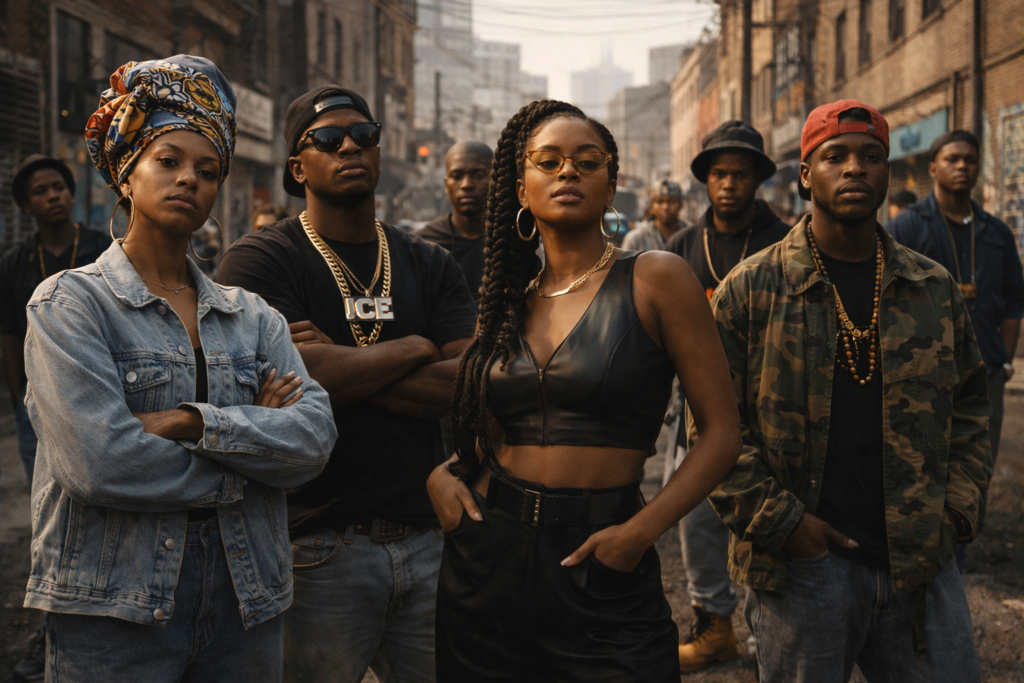
    3.2. Hip-Hop Fashion: From the Streets to the World

    In the 1980s and 1990s, hip-hop culture introduced a new aesthetic:

    • Oversized clothing
    • Sneakers
    • Gold chains

    Artists like Tupac Shakur and The Notorious B.I.G.
    used fashion to express social realities.

    What began as street culture
    eventually became a global fashion movement.

    Hip-hop style transformed resistance into influence.


    4. Why Does Fashion Become Political?

    Clothing is visible, immediate, and universal.

    4.1. Fashion as a Language of Identity

    Unlike speech or writing,
    fashion communicates instantly.

    It signals:

    • Who we are
    • Where we belong
    • What we believe

    This makes it a powerful tool for resistance.

    4.2. The Power of Symbolism

    A single garment can carry layered meanings:

    • Trousers → equality
    • Miniskirt → autonomy
    • Black clothing → unity and protest

    These symbols transcend language and culture.

    4.3. Fashion in the Digital Age

    Today, fashion spreads faster than ever.

    Through social media,
    a single image can turn clothing into a global statement overnight.

    Fashion is no longer just worn—
    it is shared, amplified, and politicized in real time.


    Conclusion

    Fashion is not just about appearance.

    It is a reflection of power, identity, and resistance.

    Throughout history, clothing has been used to challenge authority,
    redefine norms, and express collective struggle.

    What we wear may seem personal—
    but it often carries social meaning.

    So the next time you choose an outfit, consider this:

    Are you simply getting dressed—
    or are you making a statement?

    Question for Readers

    Do you think your clothing expresses your identity—or your beliefs?

    Related Reading

    If clothing can become a symbol of resistance, can it also shape who we are—and how society defines us?
    In Fashion and Gender: How Clothing Shapes Identity and Social Roles, we explore how what we wear goes beyond style, influencing identity, expectations, and power structures—revealing that clothing is not just expression, but a social language.


    What if the most ordinary clothes we wear today once carried the spirit of rebellion and transformation?
    In How Did Blue Jeans Conquer the World?, we trace how a simple piece of workwear evolved into a global symbol of culture, freedom, and identity—showing how fashion can move from practicality to powerful meaning across time.


    References

    1. Steele, V. (1997). Fashion, Theory, and Politics. Oxford University Press.
      This work examines how fashion operates as a political and cultural system, analyzing how clothing reflects resistance and social transformation across different historical contexts.
    2. Crane, D. (2000). Fashion and Its Social Agendas: Class, Gender, and Identity in Clothing. University of Chicago Press.
      Crane explores how clothing shapes social identity, including class, gender, and political expression. The book provides a framework for understanding fashion as a tool of symbolic communication.
    3. Lipovetsky, G. (1994). The Empire of Fashion: Dressing Modern Democracy. Princeton University Press.
      This book investigates the relationship between fashion and modern democratic societies, highlighting how fashion both reflects and influences cultural and political change.

  • Food, Technology, and Plating: When Dining Becomes an Experience

    Food, Technology, and Plating: When Dining Becomes an Experience

    From Molecular Gastronomy to 3D Food Printing

    Food is no longer just something we taste.

    Today, dining has become a multi-sensory experience—
    engaging not only the palate, but also sight, touch, and even sound.

    Plating, once considered a matter of visual presentation,
    has evolved into a sophisticated fusion of art, science, and technology.

    From molecular gastronomy to 3D food printing,
    technology is reshaping not just how food looks—
    but how we experience it.


    1. Molecular Gastronomy: Cooking with Science

    molecular gastronomy modern dish

    Modern plating often begins with scientific innovation.

    1.1. What Is Molecular Gastronomy?

    Molecular gastronomy applies scientific principles
    to manipulate the structure and properties of food.

    It goes beyond traditional cooking
    by transforming texture, temperature, and form.

    1.2. Key Techniques

    • Spherification → Liquids are transformed into pearl-like spheres
      that burst in the mouth like caviar.
    • Foams → Air-infused textures that deliver flavor lightly and intensely.
    • Dry Ice Effects → Visual vapor enhances presentation
      while amplifying aroma perception.

    1.3. Real-World Example

    Renowned chef Ferran Adrià introduced dishes
    where aroma precedes taste—
    such as citrus foam served over seafood.

    In many modern restaurants,
    liquid nitrogen is used at the table
    to create dramatic, interactive desserts.

    Molecular gastronomy turns plating
    into a scientific performance—
    expanding the very definition of food.


    2. 3D Food Printing: Designing Edible Structures

    3d printer creating food dessert

    Technology is now directly shaping food creation.

    2.1. Can Food Be Printed?

    3D food printing uses edible materials—
    such as chocolate, dough, or purée—
    as “ink” to construct precise shapes.

    This allows chefs to design
    complex, customized plating structures.

    2.2. Practical Applications

    • Personalized desserts with names or messages
    • Nutritionally optimized meals for elderly people
    • Intricate geometric food designs impossible by hand

    Some companies are already using this technology
    to improve both aesthetics and accessibility in food.

    3D food printing transforms plating
    into programmable design—
    where creativity meets precision.


    3. Interactive Plating: Dining as Participation

    Food is no longer just presented—
    it is experienced.

    3.1. What Is Interactive Plating?

    Interactive plating invites the diner
    to participate in the creation or completion of a dish.

    It turns dining into a form of performance art.

    3.2. Immersive Experiences

    In some restaurants:

    • Guests apply sauces themselves
    • Colors or elements are added during the meal
    • Projection mapping creates animated visuals on the table

    In the Netherlands, for example,
    digital projection transforms plates into storytelling environments.

    The dish becomes dynamic—
    responding to both the food and the diner.

    Interactive plating shifts food
    from something we observe
    to something we actively experience.


    4. The Philosophy of Technological Plating

    Why is technology merging with food in this way?

    4.1. Beyond Taste

    Modern consumers seek more than flavor.

    They want:

    • Shareable visual experiences
    • Personalized dining moments
    • Emotional and narrative engagement

    Technology enables all of this.

    4.2. Advantages of Tech-Driven Plating

    • Precision → Highly detailed visual expression
    • Consistency → Reproducible quality at scale
    • Interaction → Enhanced engagement and immersion

    4.3. Potential Concerns

    There is also a risk.

    If technology becomes too dominant,
    it may overshadow taste and human touch.

    However, technology is ultimately a tool—
    not the essence of cuisine.

    The emotional impact of a dish
    still depends on the chef’s intention
    and the diner’s experience.

    interactive dining projection experience

    Conclusion

    Plating is no longer decoration.

    It is a medium of experience—
    where art, science, and technology converge.

    From vapor effects to digital projection,
    food is evolving into something immersive and interactive.

    Yet one truth remains unchanged:

    No matter how advanced technology becomes,
    the most memorable meals are still those
    that connect with us emotionally.

    The next dish you encounter
    may not just be food—

    but a glimpse into the future of experience.

    Question for Readers

    Do you think technology enhances the dining experience—or takes away from its authenticity?

    Related Reading

    What if the food you eat is no longer just about taste—but about how it makes you feel, see, and even interact? In Can What You Wear Change Your Mind?, we explore how everyday elements like clothing quietly shape perception and behavior—just as modern plating transforms dining into a psychological and sensory experience.

    And if technology is redefining something as intimate as eating, where else is it reshaping human experience without us realizing it? 0 and 1 in the Age of Artificial Intelligence: The Symbolic Philosophy of the Digital World examines how invisible systems and simple structures evolve into powerful forces that redefine how we perceive reality—much like technology is now redefining the meaning of food itself.


    6. References

    1. This, H. (2006). Molecular Gastronomy: Exploring the Science of Flavor. Columbia University Press.
      This book introduces the scientific foundations of cooking, explaining how chemical reactions influence taste, texture, and presentation. It provides essential insights into how molecular techniques transform both cooking and plating.
    2. Godoi, F. C., Prakash, S., & Bhandari, B. (2018). 3D Printing of Foods. Springer.
      This work explores how 3D printing technology is applied in food production, including structural design, customization, and nutritional optimization. It highlights the role of technology in shaping the future of edible design.
    3. Spence, C., & Piqueras-Fiszman, B. (2014). The Perfect Meal: The Multisensory Science of Food and Dining. Wiley-Blackwell.
      This book examines how sensory elements—visual, auditory, and tactile—affect the perception of food. It provides a scientific framework for understanding immersive dining experiences and interactive plating.
  • Can What You Wear Change Your Mind?

    Can What You Wear Change Your Mind?

    The Psychology of Enclothed Cognition

    Can the clothes you wear influence how you think and behave?

    At first glance, clothing may seem like a simple matter of appearance.
    But what if what you wear could actually shape your confidence, focus, and even decision-making?

    In psychology, this idea is known as enclothed cognition
    the concept that clothing affects cognitive processes.

    Proposed by Adam Galinsky and Hajo Adam in 2012,
    this theory suggests that the symbolic meaning of clothing, combined with the wearer’s perception,
    can influence psychological states and behavior.

    In other words, we don’t just wear clothes—
    we become what they represent.


    1. Clothing Influences Attitude and Focus

    person wearing lab coat focusing

    Scientific experiments have demonstrated this effect clearly.

    1.1. The “Lab Coat” Experiment

    In a well-known study, participants were asked to wear a white coat
    while performing attention-related tasks.

    One group was told it was a doctor’s coat.
    Another group was told it was a painter’s coat.

    The result?

    Those who believed they were wearing a doctor’s coat
    performed significantly better in attention and cognitive tasks.

    1.2. Meaning Matters More Than the Clothing Itself

    This experiment revealed something crucial:

    It was not the clothing itself,
    but the meaning attached to it
    that influenced cognitive performance.

    Clothing acts as a psychological trigger—
    shaping how the brain processes information and behavior.


    2. Formal Wear Builds Confidence, Activewear Drives Action

    activewear increasing motivation to move

    Clothing can also shape how we internalize roles.

    2.1. Wearing a Role

    Studies suggest that people wearing formal clothing
    tend to think more abstractly and strategically.

    In contrast, casual clothing encourages flexibility and relaxation.

    Activewear, on the other hand, increases motivation for physical activity.

    2.2. Everyday Experience

    This is something most people have experienced.

    Putting on workout clothes often makes you feel ready to exercise.
    Wearing formal attire before an important presentation
    can shift your mindset toward seriousness and confidence.

    Clothing sends messages not only to others—
    but also to ourselves.


    3. Colors Shape Emotions and Behavior

    clothing colors affecting emotions

    Clothing is not only about form—it is also about color.

    3.1. Psychological Effects of Color

    Colors carry strong symbolic meanings:

    • Red → energy, dominance, intensity
    • Blue → calmness, trust, stability
    • Black → authority, control, formality

    These associations influence emotional states and behavior.

    3.2. Emotional Regulation Through Clothing

    People often choose darker clothing when feeling low
    and brighter colors when feeling positive.

    This suggests that clothing is part of an unconscious emotional regulation system.

    What we wear can influence how we feel—
    and how we interact with the world.


    4. How to Use Enclothed Cognition in Daily Life

    Understanding this concept allows us to use clothing as a tool.

    4.1. Clothing as Self-Regulation

    Choose clothing that aligns with your goals:

    • For confidence → structured, formal attire
    • For energy → bright or activewear
    • For relaxation → soft, comfortable clothing

    4.2. The Most Accessible Environment

    We cannot always control our surroundings.

    But clothing is the one environment
    we can change instantly.

    “Good clothing” is not about price—
    it is about how well it supports who you want to be that day.


    Conclusion

    Perhaps we are not simply choosing clothes—
    we are choosing our mindset.

    The idea that “we think as we dress”
    is not just poetic—it is scientifically supported.

    So the next time you get dressed, ask yourself:

    What kind of person do I want to be today?

    Clothing reflects the inner self—
    but it can also shape it.

    Question for Readers

    Do your clothes reflect your mindset—or do they quietly shape it?

    Related Reading

    What if the way you dress is already shaping how others see you—and how you see yourself? In Fashion and Gender: How Clothing Shapes Identity and Social Roles, clothing is revealed not just as style, but as a powerful language that defines identity, expectations, and even freedom.

    And if something as simple as clothing can influence your mindset, what else in your daily life might be shaping your behavior without you noticing? Do We Fear Freedom or Desire It? explores the hidden tension between social norms and personal choice—reminding us that what feels like “natural behavior” is often quietly constructed.


    References

    1. Adam, H., & Galinsky, A. D. (2012). Enclothed Cognition. Journal of Experimental Social Psychology, 48(4), 918–925.
      This foundational study introduces the concept of enclothed cognition, demonstrating how the symbolic meaning of clothing combined with physical experience influences cognitive performance. The research provides empirical evidence that clothing can directly affect attention and behavior.
    2. Kwon, Y. H. (1994). The Influence of Clothing on the Perception of Personal Characteristics and Social Behavior. Clothing and Textiles Research Journal, 12(3), 48–52.
      This study explores how clothing affects both self-perception and social perception. It shows that attire influences judgments of confidence, intelligence, and credibility, highlighting the psychological impact of appearance in social contexts.
    3. Johnson, K. K. P., & Lennon, S. J. (2014). The Social Psychology of Dress. Fairchild Books.
      This comprehensive work examines how clothing interacts with identity, behavior, and communication. It integrates theories of enclothed cognition, color psychology, and symbolic meaning, providing a broad framework for understanding clothing as a psychological and cultural tool.

  • How Did Blue Jeans Conquer the World?

    How Did Blue Jeans Conquer the World?

    An American Icon, Cultural Paradox, and Global Hybridization

    Have you ever wondered why people all over the world wear blue jeans?

    From the streets of Seoul to markets in Indonesia, from Dubai to New York—
    jeans appear everywhere, across cultures, religions, and political systems.

    What is even more fascinating is this:

    Even in countries with strong anti-American sentiment,
    blue jeans have never truly been rejected.

    This raises an intriguing question—
    are jeans merely clothing, or something much more powerful?


    1. Blue Jeans as a Symbol of American Culture

    1950s youth wearing blue jeans

    Blue jeans did not begin as fashion.

    In the late 19th century, they were designed as durable workwear
    for American laborers—practical, rugged, and affordable.

    However, everything changed in the 1950s.

    Hollywood icons like James Dean and Marlon Brando transformed jeans
    into symbols of rebellion, youth, and freedom.

    From that moment on, jeans were no longer just clothing.
    They became a cultural message.

    Through jeans, the United States exported not only a product,
    but an entire worldview:

    freedom, equality, practicality, and even resistance.

    Much like Coca-Cola, McDonald’s, or rock music,
    jeans became part of global cultural influence—
    often discussed within the framework of cultural imperialism.


    2. Local Adaptation: Jeans as Cultural Hybridization

    jeans mixed with global styles

    Yet, jeans were never simply copied worldwide.

    Each region reinterpreted them in its own way.

    2.1. Asia

    In Japan, jeans entered through admiration for American style
    during the 1960s and 1970s.

    Over time, however, Japan developed its own identity—
    high-end vintage denim culture, now globally respected.

    In South Korea, jeans became associated with student movements
    and democratic resistance during the 1980s.

    Today, they exist across both luxury fashion and streetwear.

    2.2. Middle East

    In countries such as Iran and Saudi Arabia,
    jeans are widely worn despite political criticism of the United States.

    Among younger generations, jeans sometimes function as subtle expressions
    of identity and resistance.

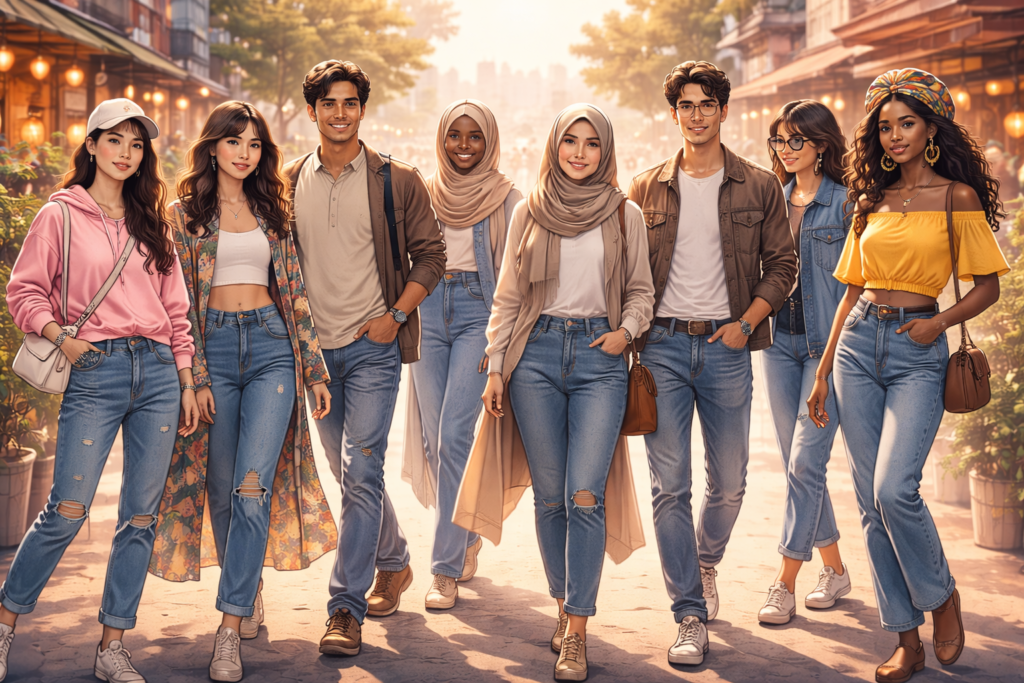
    Even within religious constraints, people creatively combine jeans
    with traditional garments like long shirts or hijabs.

    This demonstrates something important:

    Jeans are not simply “imported culture”—
    they are continuously reinterpreted and transformed.


    3. The Paradox: Anti-American Sentiment vs. Jeans Consumption

    One of the most striking aspects of jeans is this contradiction.

    Even in societies critical of American foreign policy,
    jeans remain deeply embedded in everyday life.

    3.1. Universal Appeal Beyond Politics

    Jeans have transcended their origin.

    They represent universal values:

    comfort, practicality, individuality, and freedom.

    3.2. Jeans as a Symbol of Resistance

    For example, in Iran, some women activists wear jeans
    as a symbolic expression of autonomy and resistance.

    In this context, jeans become something paradoxical:

    a product of cultural power,
    yet also a tool of personal liberation.


    4. Cultural Imperialism or Cultural Fusion?

    This leads to an ongoing debate.

    4.1. Cultural Imperialism Perspective

    From this view, jeans represent the global spread of American capitalism
    and consumer culture.

    They are seen as displacing traditional clothing
    and standardizing global identity.

    4.2. Cultural Hybridization Perspective

    On the other hand, many scholars argue that jeans are a perfect example
    of cultural fusion.

    They are not simply imposed—
    they are adapted, reinterpreted, and localized.

    In this sense, jeans are not just a symbol of domination,
    but of interaction.

    They function simultaneously as:

    a global product,
    a local expression,
    and a cultural translator.

    jeans as symbol of freedom

    Conclusion

    Blue jeans are no longer “American clothing.”

    Today, people tear them, redesign them, customize them,
    and embed their own identities into them.

    They are one of the few global objects that are constantly rewritten
    by those who wear them.

    Jeans conquered the world—
    but in doing so, they also surrendered to it.

    That is the true power of culture.

    Question for Readers

    Have blue jeans become a universal cultural language, or do they still carry the influence of their American origins?

    Related Reading

    The global spread of blue jeans reflects more than just fashion—it reveals how everyday objects carry deeper cultural meanings. This dynamic between global influence and local reinterpretation is further explored in What Can Nature Teach Us About Ethics?, where universal values are not imposed, but discovered through interaction between humans and their environments.

    At the same time, the symbolic power of ordinary elements in shaping identity connects closely with 0 and 1 in the Age of Artificial Intelligence: The Symbolic Philosophy of the Digital World, which examines how even the simplest forms—like binary code—can evolve into powerful cultural and philosophical systems shaping our modern lives.


    References

    1. Miller, D. (2010). Blue Jeans: The Art of the Ordinary. University of California Press.
      This work explores how jeans became a globally shared object while being locally reinterpreted. It demonstrates that jeans are not merely symbols of American culture, but dynamic cultural artifacts shaped by everyday practices and meanings across societies.
    2. Crane, D. (2002). Culture and Globalization: Theoretical Models and Emerging Trends. Routledge.
      Crane analyzes how global cultural products interact with local identities, highlighting tensions between cultural imperialism and localization. Jeans are presented as a key example of how global goods are reshaped within diverse cultural contexts.
    3. Nederveen Pieterse, J. (2009). Globalization and Culture: Global Mélange. Rowman & Littlefield.
      This book argues that globalization produces cultural hybridity rather than simple Westernization. Jeans are used as a representative case of hybrid cultural formation, showing how different societies reinterpret global symbols in unique ways.

  • Fashion and Gender: How Clothing Shapes Identity and Social Roles

    Fashion and Gender: How Clothing Shapes Identity and Social Roles

    From Corsets to Genderless Style

    If a single pair of pants can symbolize liberation,
    then clothing is never just about appearance.

    Every day, we get dressed.
    But what we wear is not simply a matter of style.

    Clothing reflects the expectations of our society—
    especially the roles assigned to gender.

    For centuries, fashion has reinforced ideas of what is “feminine” or “masculine.”
    Yet today, those boundaries are beginning to blur.

    The rise of gender-neutral fashion invites us to ask a deeper question:

    Do clothes express who we are—
    or who society expects us to be?


    1. Why Did Women Wear Dresses and Men Wear Suits?

    woman wearing restrictive corset dress

    Fashion has long been a visual language of gender roles.

    1.1. The Corset: Clothing That Restrained the Body

    In 19th-century Europe, women wore corsets and elaborate dresses
    as symbols of elegance and femininity.

    But these garments were not merely aesthetic.

    They reflected social expectations:
    that women should embody grace, restraint, and obedience.

    Clothing, in this sense, was a tool of control.

    1.2. Men’s Clothing: Function, Authority, and Rationality

    In contrast, men’s fashion emphasized practicality and power.

    Suits, jackets, and ties became symbols of modern industry,
    authority, and rationality.

    Men’s clothing prioritized movement and function,
    while women’s clothing emphasized decoration.

    Fashion visually encoded gender roles—
    making them appear natural and unquestionable.


    2. Women in Pants: Fashion as Resistance

    woman wearing pants symbolizing freedom

    The moment women began wearing pants,
    fashion became a site of resistance.

    2.1. “Pants as Liberation”

    In the early 20th century, women who wore trousers
    were often mocked or criticized.

    However, as women entered the workforce—especially during World War II—
    pants became associated with practicality and independence.

    Gradually, they came to symbolize freedom.

    2.2. Coco Chanel and the Redefinition of Femininity

    Coco Chanel played a crucial role in this transformation.

    She introduced garments that allowed women to move freely—
    challenging restrictive silhouettes.

    Her designs were not just fashion innovations,
    but statements against rigid gender norms.

    Changing clothing meant changing how society perceived women.


    3. Genderless Fashion: Blurring the Boundaries

    Today, fashion is entering a new phase.

    3.1. Is Genderless Clothing Possible?

    The rise of gender-neutral fashion challenges the idea
    that clothing must belong to a specific gender.

    Instead of defining identity through biological categories,
    it emphasizes personal expression.

    3.2. Cultural Icons and Public Debate

    When Harry Styles appeared on the cover of Vogue wearing a dress,
    the reaction was immediate and divided.

    Some praised his boldness.
    Others criticized him for disrupting traditional masculinity.

    This reaction reveals something important:

    Clothing is still deeply tied to social expectations.

    3.3. Runway as a Space of Experimentation

    Fashion brands like Gucci, Thom Browne, and JW Anderson
    have embraced gender-fluid designs.

    Men in skirts, women in suits—
    these are no longer shocking within the fashion world.

    The runway has become a space where norms are questioned
    and reimagined.


    4. Fashion Reflects Norms—But It Can Also Change Them

    Fashion is not neutral.

    4.1. Learning Gender Through Clothing

    From childhood, we are taught what to wear.

    “Girls wear skirts.”
    “Boys don’t wear pink.”

    These repeated messages shape our understanding of identity.

    Clothing becomes a way of internalizing social rules.

    4.2. The Possibility of Change

    Yet norms are not fixed.

    Women wearing pants was once controversial—
    now it is completely ordinary.

    In the same way, today’s “unusual” styles
    may become tomorrow’s norm.

    Genderless fashion is not just a trend.

    It is an experiment in freedom—
    an invitation to redefine identity beyond traditional categories.

    genderless fashion self expression

    Conclusion

    What we consider “fashionable”
    is often what society allows us to see as normal.

    But fashion has always been more than clothing.

    It is a cultural language—
    one that can reinforce norms or challenge them.

    Perhaps the more important question is not:

    “Why are you wearing that?”

    But rather:

    “How free do you feel in what you wear?”

    Fashion is not just a choice.
    It can be a quiet form of resistance.

    Question for Readers

    Do your clothes reflect who you truly are—or what society expects you to be?

    Related Reading

    The relationship between clothing and identity goes beyond gender—it reflects how everyday choices shape who we are within society. This broader connection between appearance and social meaning is explored in How Did Blue Jeans Conquer the World?, where a single item of clothing evolves into a global symbol of culture, resistance, and identity.

    At the same time, the tension between personal expression and social expectations is further examined in Do We Fear Freedom or Desire It?, which explores how individuals navigate the space between societal norms and the desire for authentic self-expression—just as fashionchallenges the boundaries of what is considered acceptable.


    References

    1. Steele, V. (2001). The Corset: A Cultural History. Yale University Press.
      This book examines how the corset functioned as both a fashion item and a tool of social control, shaping women’s bodies according to cultural ideals. It provides deep insight into how clothing reflects power structures and gender expectations in historical contexts.
    2. Crane, D. (2000). Fashion and Its Social Agendas: Class, Gender, and Identity in Clothing. University of Chicago Press.
      Crane analyzes clothing as a social code that communicates class, gender, and identity. The book highlights how fashion visually constructs gender norms and how these norms evolve across time and culture.
    3. Butler, J. (1990). Gender Trouble: Feminism and the Subversion of Identity. Routledge.
      Butler’s theory of gender performativity offers a critical framework for understanding how identity is constructed through repeated actions, including clothing. This perspective is essential for interpreting the rise of genderless fashion as a challenge to fixed gender categories.
  • From Beatlemania to ARMY: How Fans Transformed Live Music Culture

    From Beatlemania to ARMY: How Fans Transformed Live Music Culture

    The Evolution of Fandom and Performance

    “Artists create music, but fans make it move.”

    The roar of a stadium.
    The synchronized chants.
    Thousands of voices singing as one.

    A concert is no longer just a place to listen.

    It is a space where artists and fans create something together.

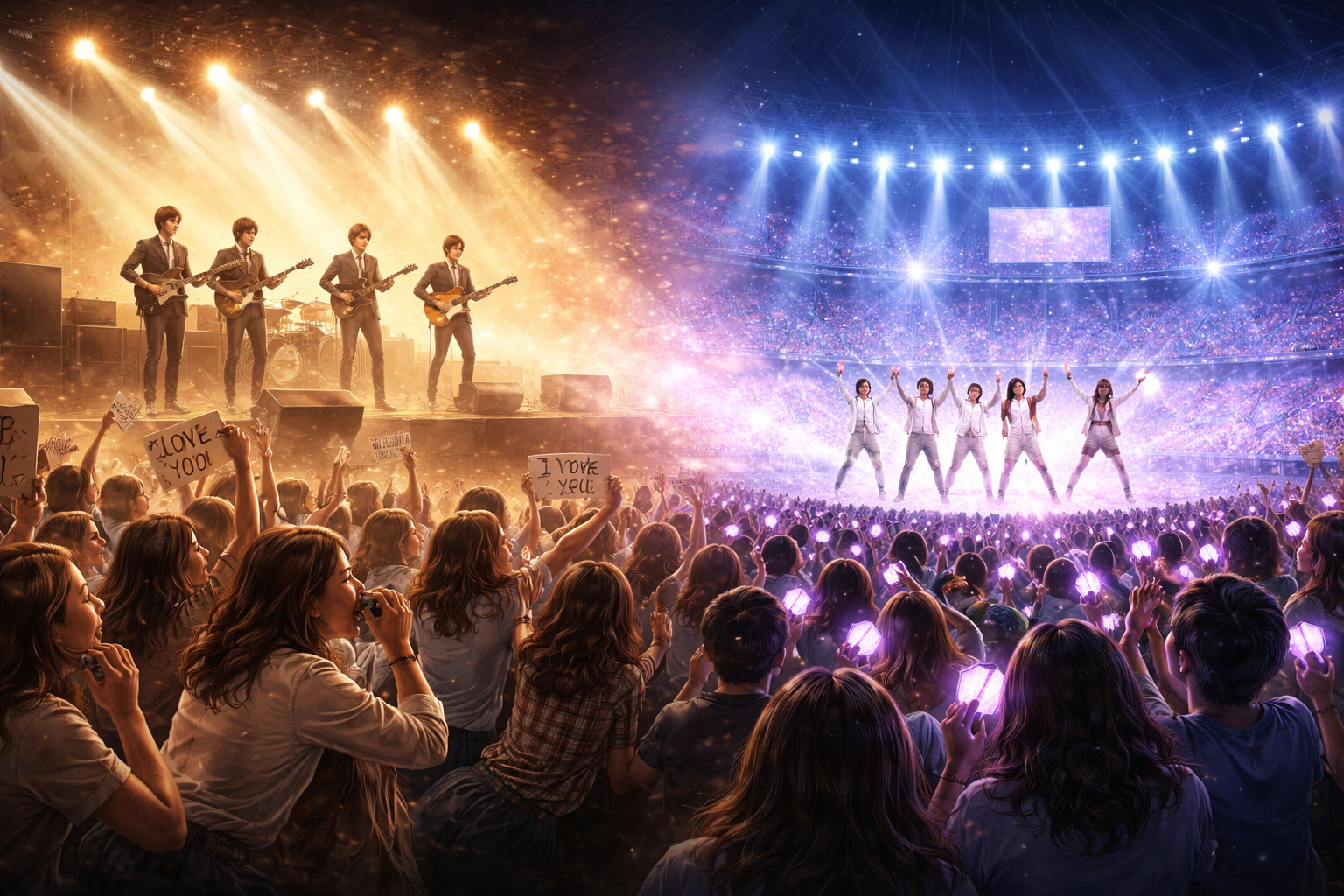
    From the frenzy of Beatlemania to the global unity of BTS’s ARMY,
    fandom has transformed not only how we experience music—
    but how music itself lives and evolves.


    1. Beatlemania: The Birth of Modern Fandom

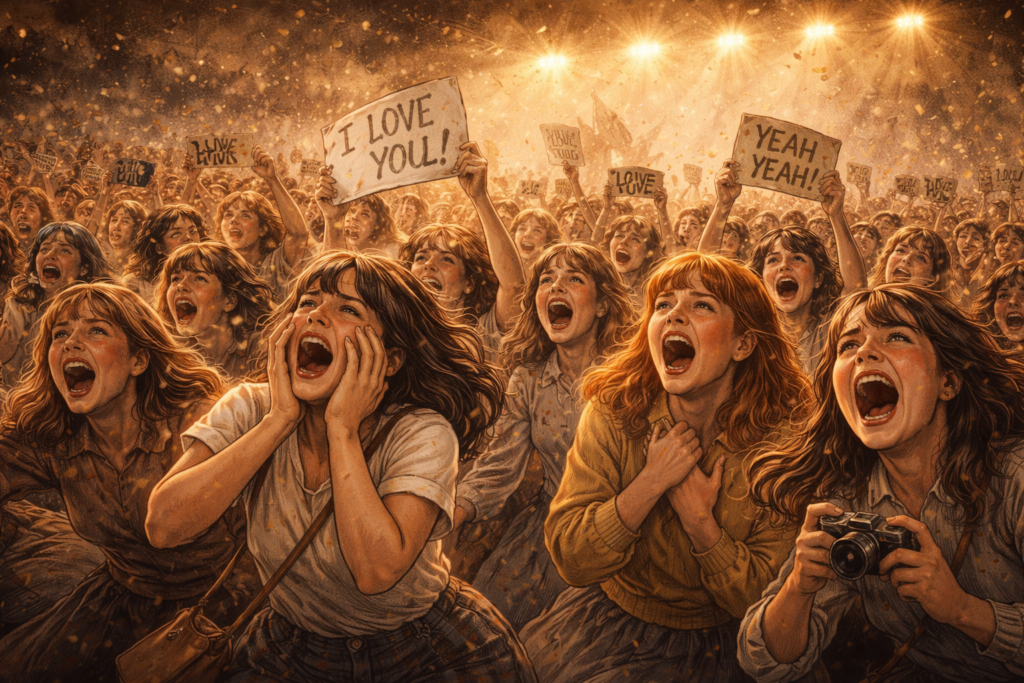
    1960s fans screaming at concert

    In the 1960s, The Beatles sparked a phenomenon unlike anything seen before.

    Fans followed them across cities and countries,
    screaming, crying, and even fainting at the sight of their idols.

    The 1965 Shea Stadium concert, attended by over 50,000 people,
    marked one of the first large-scale modern concerts.

    But something deeper was happening.

    Fans were no longer passive listeners.

    They became part of the performance itself.

    Beatlemania revealed a new cultural truth:

    Music could be experienced collectively—and emotionally amplified through shared presence.


    2. ARMY and BTS: The Rise of Participatory Culture

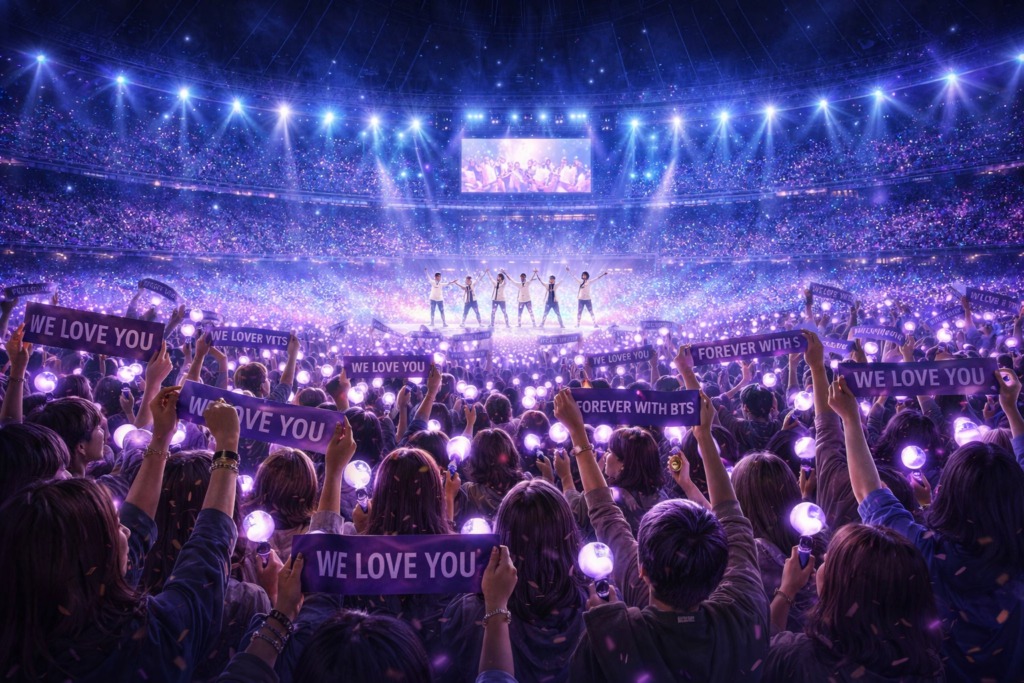
    fans participating in modern concert together

    Decades later, fandom has evolved into something even more powerful.

    BTS’s global success is inseparable from ARMY,
    a fandom that operates as a worldwide community.

    ARMY does more than listen:

    • they create fan art and translations
    • organize global campaigns
    • participate in social and charitable actions

    At concerts, this participatory culture becomes visible:

    • coordinated slogan events
    • collective singing moments
    • fan-driven surprise messages

    A concert becomes a shared production.

    Fans are no longer the audience.
    They are co-creators.


    3. How Fans and Performances Shape Each Other

    3.1 Concerts Strengthen Fandom

    Live performances intensify emotional connection.

    Sharing a moment with thousands of others creates:

    • belonging
    • identity
    • collective memory

    A fan becomes part of something larger.


    3.2 Fandom Transforms Performance

    In the digital age, fans influence how performances are experienced.

    Through social media, fans:

    • analyze performances
    • share reactions
    • extend the concert beyond the venue

    The performance no longer ends when the show is over.

    It continues online, evolving in real time.


    4. From Audience to Cultural Force

    Beatlemania opened the door.

    ARMY expanded it.

    Today, fandom is not a peripheral element of music culture.

    It is central.

    Fans shape narratives, amplify messages,
    and even influence the direction of artists themselves.

    This shift highlights how fandom and live music culture have become deeply interconnected in shaping modern performances.


    audience and performance becoming one

    Conclusion: The Stage Has Changed

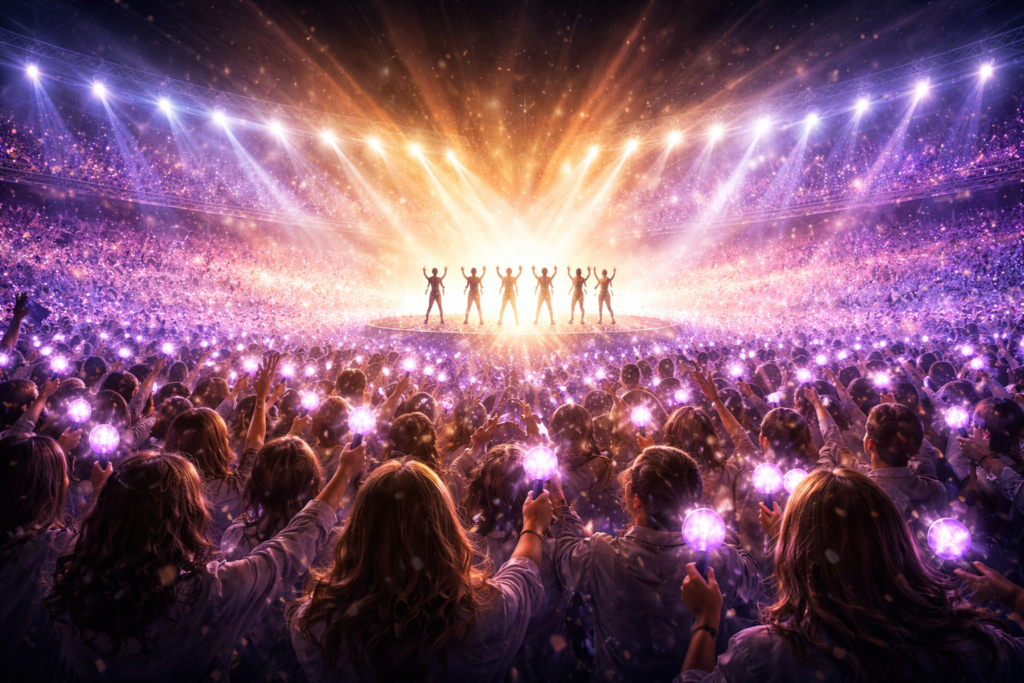
    In the past, concerts were performances delivered to an audience.

    Today, they are experiences created together.

    Fans are no longer just consumers.

    They are creators, organizers, and communities.

    From Beatlemania to ARMY,
    the stage has expanded—
    and so has the role of the fan.

    Perhaps being a fan is no longer just about admiration.

    It is about connection.


    Question for Readers

    When you attend a concert—or even watch one online—do you see yourself as an audience member, or as part of the performance?

    How has digital culture changed your experience of music and fandom?

    If fans now shape culture as much as artists do,
    where do you think the true power of music lies?


    Related Reading

    The transformation of collective identity and participation is further explored in Is the Hippie Spirit Dead—or Has It Evolved?, where cultural movements reveal how ideas persist and adapt across generations.

    At a more individual level, the psychology behind shared emotional experiences is discussed in Why Do We Remember Regret Longer Than Failure?, showing how collective memory and personal reflection interact in shaping meaning.


    References

    1. Jenkins, H. (1992). Textual Poachers. Routledge.

    This foundational work introduces the concept of participatory culture, explaining how fans actively reinterpret and recreate media, shaping cultural meaning rather than passively consuming it.

    2. Duffett, M. (2013). Understanding Fandom. Bloomsbury.

    This book provides a comprehensive overview of fan culture, examining its emotional, social, and historical dimensions, including its role in live performance contexts.

    3. Oh, C. (2022). K-pop Dance. Routledge.

    This study explores the intersection of fandom, performance, and digital media in K-pop, highlighting how fans actively contribute to the expansion and reinterpretation of performance culture.