How Youth Culture Transformed the Global Fashion Industry
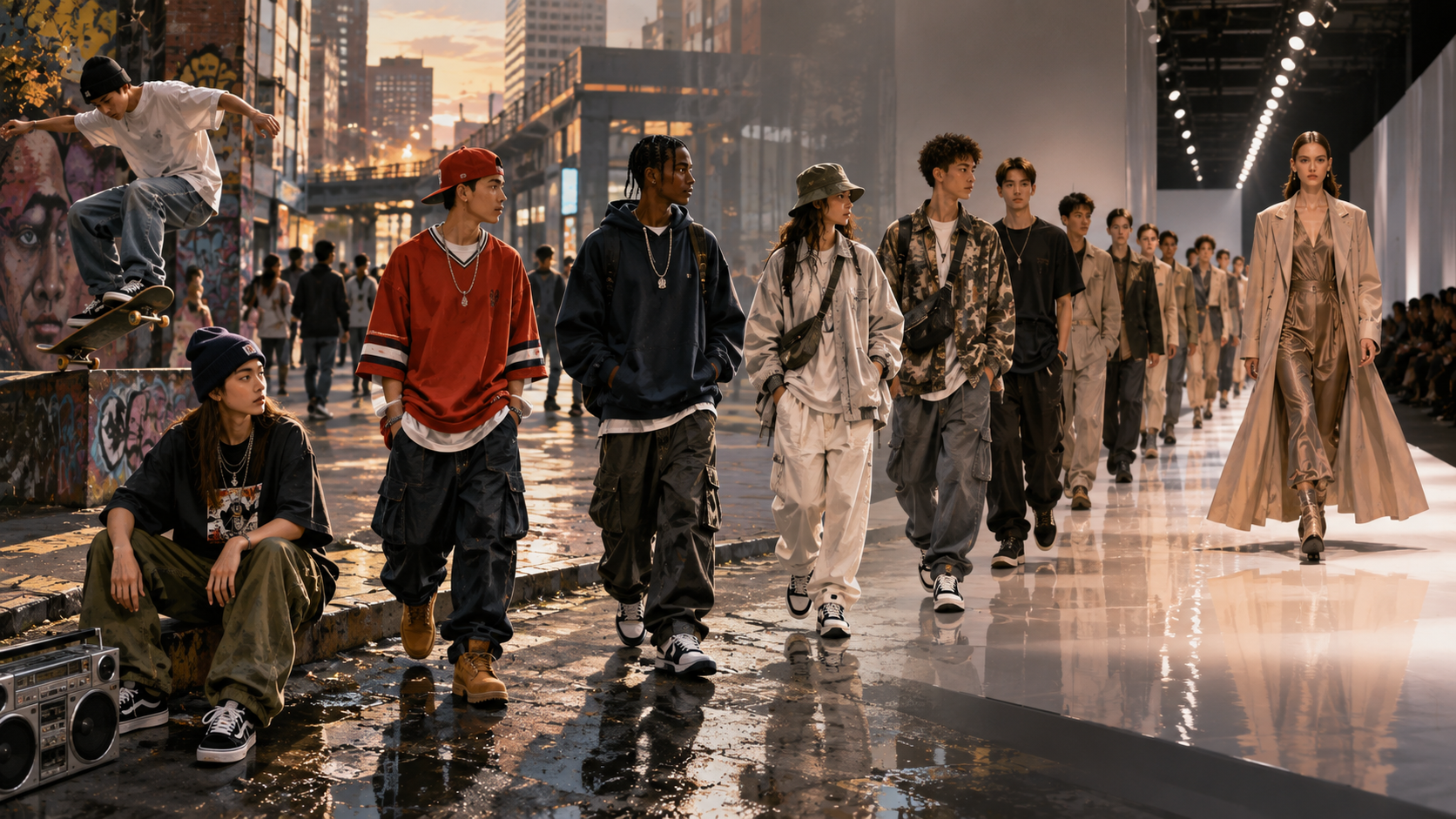
Fashion does not always begin on a runway. Sometimes, it begins on a city sidewalk, at a skate park, inside a music club, or among young people who simply want to dress differently from everyone else.
The evolution of streetwear is one of the clearest examples of how fashion can grow from everyday culture. What began in communities shaped by hip-hop, skateboarding, punk, surf culture, and youth identity gradually moved into mainstream fashion—and eventually onto luxury runways.
Sneakers, graphic T-shirts, hoodies, loose-fitting trousers, baseball caps, and other casual clothes became more than practical garments. They became symbols of belonging, creativity, rebellion, and cultural identity.
Over time, styles once associated with subcultures began influencing major brands and fashion houses around the world.
The history of streetwear is therefore more than a story about clothes. It shows how culture can move from the margins of society to its center—and how fashion can transform rebellion into influence.
1. The Origin of Streetwear: Style from the Streets
There is no single moment when streetwear was invented. Modern streetwear developed from several youth cultures that emerged during the second half of the twentieth century.
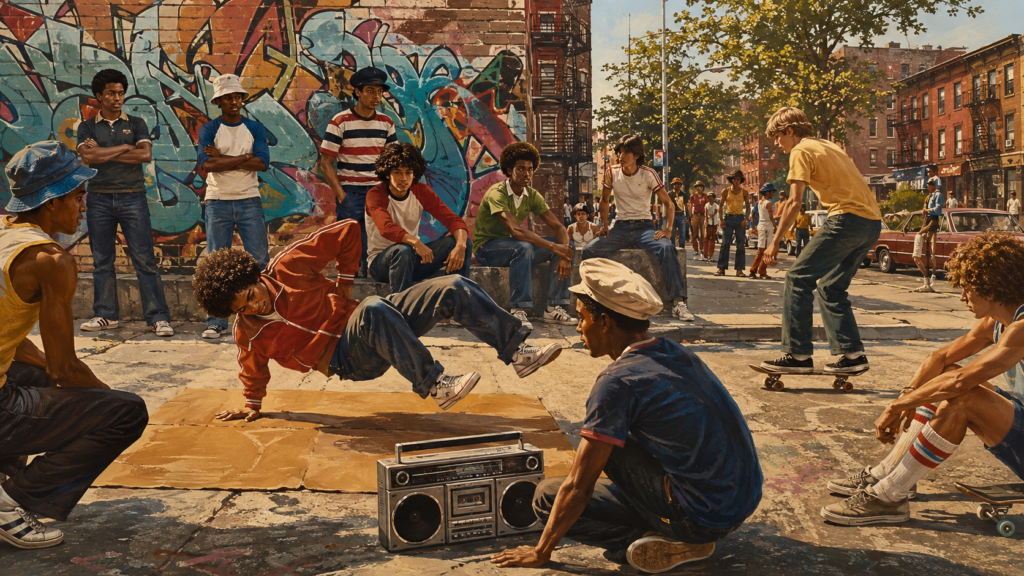
In New York City, hip-hop culture grew during the 1970s alongside DJing, breakdancing, graffiti, and neighborhood block parties. Clothing became part of this new cultural language. Sneakers, tracksuits, caps, jackets, and bold accessories allowed performers and fans to express identity and status.
On the West Coast of the United States, surf and skateboard communities were developing their own visual culture. Skateboarders needed practical clothes that allowed freedom of movement, but style quickly became just as important as function. T-shirts, sneakers, workwear, and relaxed silhouettes became closely connected with skate culture.
Punk movements in the United States and Britain added another influence. Torn clothing, leather jackets, customized garments, and deliberately unconventional combinations turned fashion into a visible rejection of mainstream expectations.
These cultures were different, but they shared one important principle: people were creating style for themselves rather than waiting for the fashion industry to tell them what to wear.
Streetwear began as a form of participation. What someone wore could reveal the music they listened to, the community they belonged to, and sometimes even the values they wanted to defend.
2. Hip-Hop, Skate Culture, and the Rise of Identity
During the 1980s and 1990s, streetwear became increasingly connected with music, sports, and youth identity.
Hip-hop was especially influential. As the genre reached larger audiences, the clothing worn by artists became part of popular culture. Sneakers, tracksuits, oversized silhouettes, denim, sportswear, and jewelry were no longer simply personal choices. They became visual symbols associated with a growing global cultural movement.
The relationship between Run-D.M.C. and Adidas became one of the best-known examples of this transformation. It demonstrated that a style emerging from music and street culture could influence the commercial fashion industry rather than merely imitate it.
Skate culture followed a similar path. Skateboard magazines, videos, independent labels, and local shops helped spread styles from one city to another. Clothing was closely tied to authenticity because the brands people wore often represented participation in a particular community.
Sneakers also became increasingly important. Originally designed primarily for sport, they gradually became cultural objects connected with basketball, hip-hop, skateboarding, collecting, and personal identity.
By the 1990s, the boundary between sportswear and everyday fashion had become increasingly difficult to define.
Streetwear was no longer simply clothing worn on the street. It had become a language through which young people could communicate who they were.
3. How Streetwear Entered Mainstream Fashion
As hip-hop, skateboarding, and youth culture gained global visibility, mainstream fashion began paying closer attention.
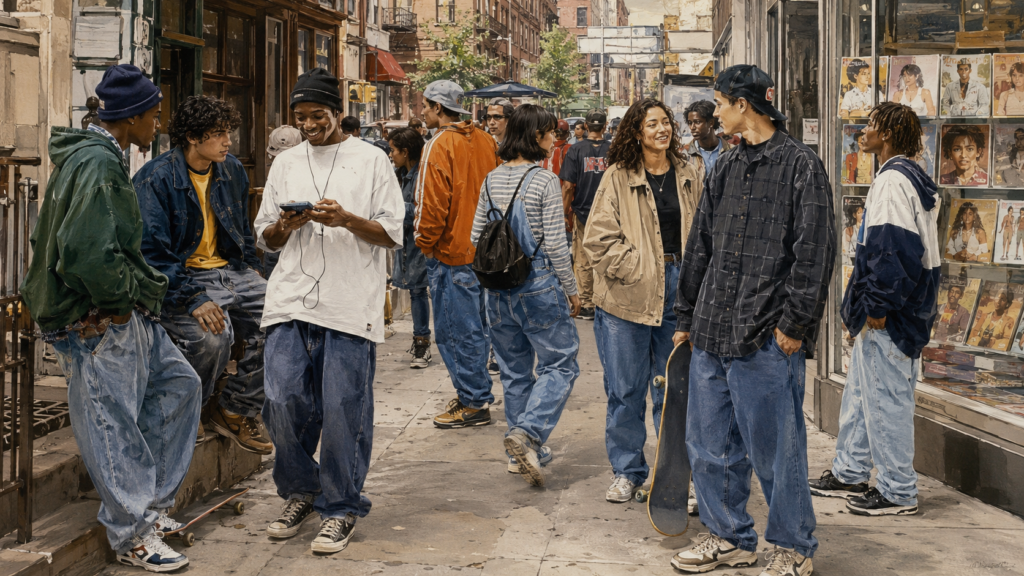
Music videos, magazines, television, celebrities, and later the internet helped styles travel across borders at unprecedented speed. What once belonged to a particular neighborhood could soon inspire young people thousands of kilometers away.
Major sportswear companies became increasingly connected with music and popular culture. At the same time, independent streetwear labels demonstrated that small brands could build strong communities around identity rather than traditional luxury.
This changed the way fashion trends developed.
For much of fashion history, trends were often imagined as moving downward. Designers and luxury houses introduced new styles, which were then adapted by the wider public.
Streetwear demonstrated that influence could travel in the opposite direction.
A sneaker worn by musicians, a jacket popular among skateboarders, or a silhouette emerging from a particular neighborhood could eventually influence major fashion houses.
The street was no longer simply receiving fashion.
It was producing it.
The rise of the internet and social media accelerated this transformation. Young people could now discover styles from Tokyo, London, Seoul, Paris, Los Angeles, and New York almost instantly. Local street cultures began influencing one another, creating a truly global fashion conversation.
4. From Streetwear to High Fashion
By the 2000s and 2010s, the relationship between streetwear and luxury fashion had changed dramatically.
Luxury designers increasingly introduced sneakers, hoodies, oversized silhouettes, graphic designs, and other elements once associated primarily with casual or street culture.
One of the most symbolic moments came in 2017, when Louis Vuitton collaborated with Supreme.
Supreme had begun as a New York skate shop in the 1990s and developed a strong reputation within street culture. Louis Vuitton, by contrast, represented one of the world’s most established luxury traditions.
Their collaboration brought two worlds together that once seemed almost opposite.
The significance went beyond the products themselves. It demonstrated that streetwear had gained enough cultural influence to stand beside traditional luxury fashion rather than beneath it.
Other luxury houses also embraced sneakers, casual silhouettes, and street-inspired design. Fashion runways increasingly reflected influences that had originated in music, sport, skateboarding, and youth culture.
The old distinction between “street” and “luxury” became increasingly difficult to maintain.
5. What Happens When Rebellion Becomes Luxury?
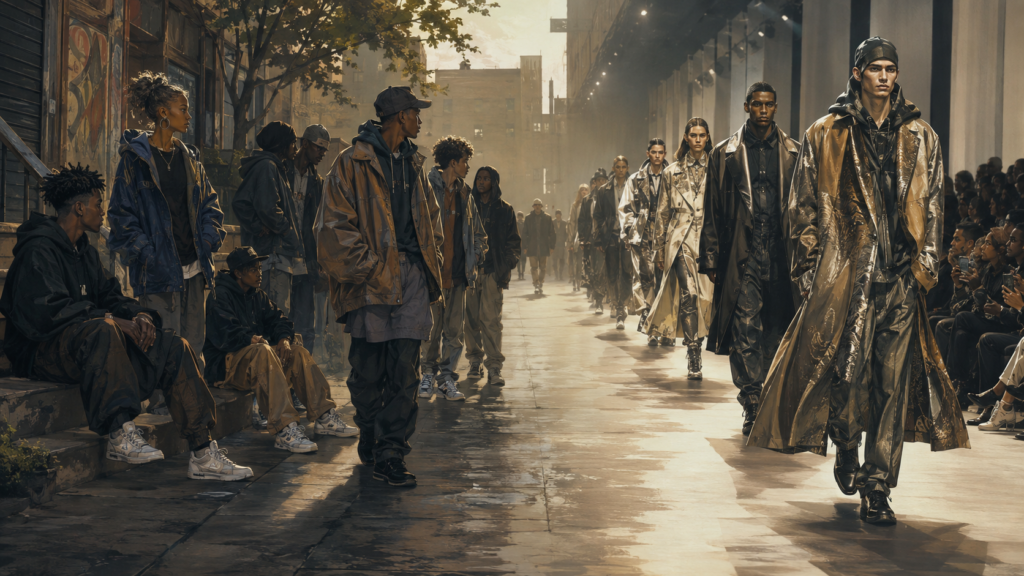
Streetwear’s success created an interesting contradiction.
Many street styles originally represented independence from traditional fashion. They were accessible, informal, community-driven, and often connected with young people who were outside elite cultural institutions.
Yet some streetwear eventually became highly exclusive.
Limited releases, designer collaborations, resale markets, and luxury pricing transformed certain sneakers and garments into expensive status symbols.
This raises an important question: What happens when a style created outside the establishment becomes part of the establishment itself?
There is no simple answer.
Commercial success can give designers and communities greater visibility, resources, and creative opportunities. It can also introduce cultural traditions to audiences who might never have encountered them otherwise.
At the same time, commercialization can separate a style from the communities that created its original meaning. Questions about authenticity, cultural ownership, and appropriation therefore remain important within contemporary fashion.
Streetwear reminds us that fashion is never only about fabric or design. Clothing carries stories about class, race, youth, music, community, aspiration, and social change.
The journey from a neighborhood sidewalk to a luxury runway can therefore reveal something much larger about how culture itself changes.
Conclusion: When the Street Changes Fashion
Streetwear began as a way for people to express identity outside the traditional rules of fashion. Hip-hop artists, skateboarders, musicians, and young communities transformed everyday clothing into a cultural language of freedom, belonging, and individuality.
Today, that language can be found everywhere from neighborhood streets to luxury runways. Yet the most important legacy of streetwear may not be a particular sneaker, hoodie, or brand. It is the idea that fashion does not belong only to designers and fashion houses.
Sometimes the most powerful changes in style begin with ordinary people deciding, quite simply, to wear something their own way.
Reader Question
Streetwear began as a way for young people and subcultures to express identity outside the traditional fashion establishment. Today, some of those same styles have become expensive luxury products.
When street fashion enters the world of luxury, does it gain greater cultural influence—or lose some of the authenticity that made it powerful in the first place?
Related Reading
Streetwear has long been more than a matter of style; clothing can also become a visible language of resistance, identity, and social change. This deeper relationship between fashion and cultural expression is explored in Fashion and Political Resistance: How Clothing Becomes a Symbol of Revolution, which examines how what people wear can challenge authority and represent collective values.
As streetwear moved from subcultures into mainstream and luxury fashion, it also demonstrated how clothing helps people communicate who they are and where they belong. A related perspective appears in Fashion and Gender: How Clothing Shapes Identity and Social Roles, which explores how fashion both reflects and challenges the identities and expectations created by society.
References
1. Polhemus, Ted. Streetstyle. Thames & Hudson, 1994.
A foundational study of street fashion and youth subcultures, this book examines how styles created outside the traditional fashion establishment can eventually influence mainstream and runway fashion. It is particularly relevant to understanding streetwear as a bottom-up cultural movement rather than simply a commercial fashion trend.
2. Kawamura, Yuniya. Sneakers: Fashion, Gender, and Subculture. Bloomsbury Academic, 2016.
Kawamura examines sneaker culture from a sociological perspective, tracing how sneakers moved from functional sportswear into symbols of identity, status, and fashion. Based partly on ethnographic research in New York, the book is especially useful for understanding the relationship between sneakers, youth subcultures, and the rise of streetwear.
3. Kawamura, Yuniya. Fashioning Japanese Subcultures. Berg, 2012.
This book explores how youth subcultures use clothing and appearance to create identity, community, and cultural distinction. Although its primary focus is Japan, it provides a broader framework for understanding why fashion emerging from subcultures can eventually influence mainstream culture.
4. Muggleton, David. Inside Subculture: The Postmodern Meaning of Style. Berg, 2000.
Muggleton examines the relationship between subculture, personal identity, and style in contemporary society. The book helps explain why streetwear cannot be understood simply as a collection of garments: clothing can function as a way for individuals and communities to express belonging, difference, and resistance.
5. Hebdige, Dick. Subculture: The Meaning of Style. Methuen, 1979.
A classic work in cultural studies, Hebdige analyzes how youth subcultures transform clothing, music, and everyday objects into symbols of identity and resistance. Its theoretical perspective is particularly useful for understanding the deeper cultural roots behind punk, street style, and the later development of streetwear.
Leave a Reply