Tag: sustainability

  • Why Wetlands Matter

    Why Wetlands Matter

    Nature’s Life-Support System for Water, Wildlife, and Climate

    Wetlands are among the most valuable yet often overlooked ecosystems on Earth. Found where land and water meet, they include marshes, swamps, peatlands, mangrove forests, floodplains, and shallow lakes. Although they occupy only a small portion of the planet’s surface, wetlands support an extraordinary diversity of life while providing essential services that benefit both nature and humanity.

    Scientists often describe wetlands as “the kidneys of the Earth” because they naturally filter water, and as “nature’s sponges” because they absorb and slowly release floodwaters. They also store large amounts of carbon, helping to reduce the impacts of climate change. In recognition of their global importance, the Ramsar Convention on Wetlands encourages countries around the world to protect and wisely manage these unique ecosystems.

    Despite these remarkable benefits, wetlands continue to disappear due to urban development, pollution, agricultural expansion, and climate change. Understanding why wetlands matter is therefore not simply an environmental issue—it is about protecting the natural systems that make life possible.


    1. A Home for Extraordinary Biodiversity
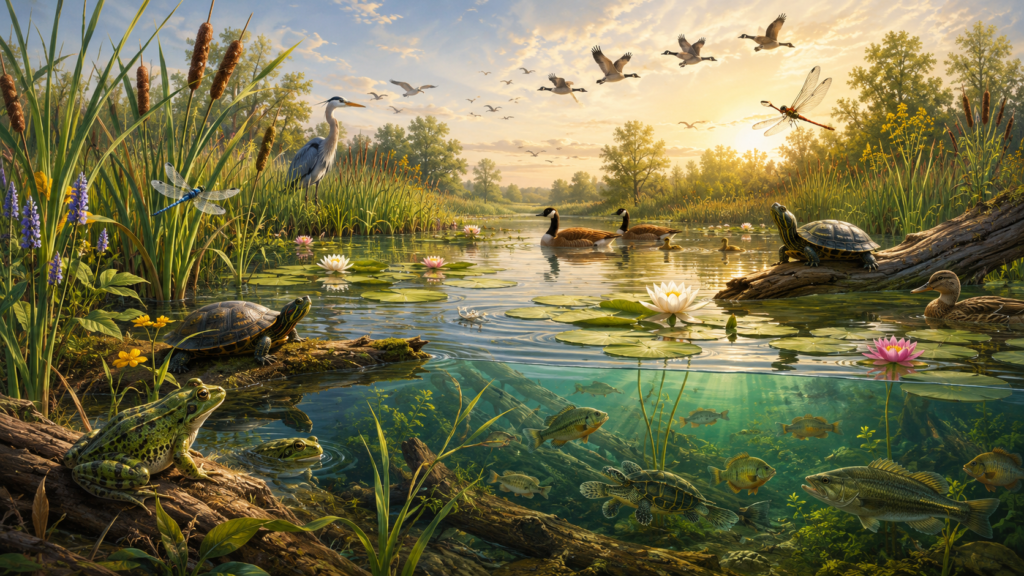
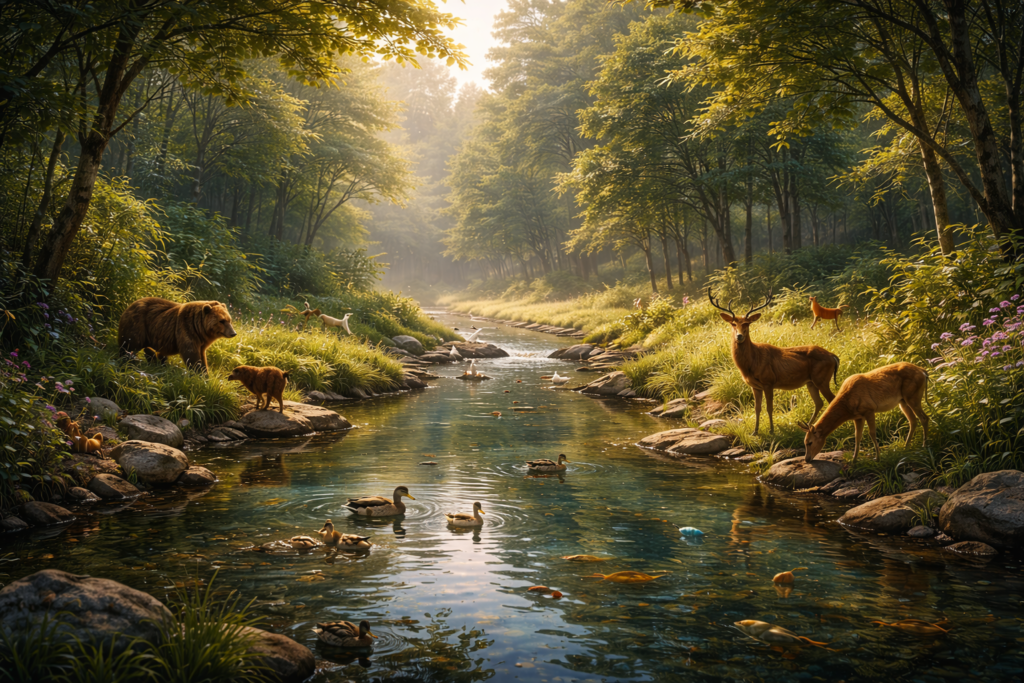
    diverse wildlife living in a healthy wetland ecosystem

    Wetlands are unique because they exist where water and land interact. This constantly changing environment creates ideal conditions for an incredible variety of plants and animals.

    Unlike many other ecosystems, wetlands experience regular changes in water levels throughout the year. Some areas remain permanently flooded, while others become wet only during certain seasons. These changing conditions create numerous habitats that support different species, making wetlands among the most biologically productive ecosystems on Earth.

    Wetland plants such as reeds, cattails, water lilies, sedges, and mangroves have evolved remarkable adaptations that allow them to thrive in waterlogged soils. Their roots stabilize the ground, reduce erosion, and provide shelter for countless organisms. These plants also produce oxygen, absorb nutrients from the water, and form the foundation of complex food webs.

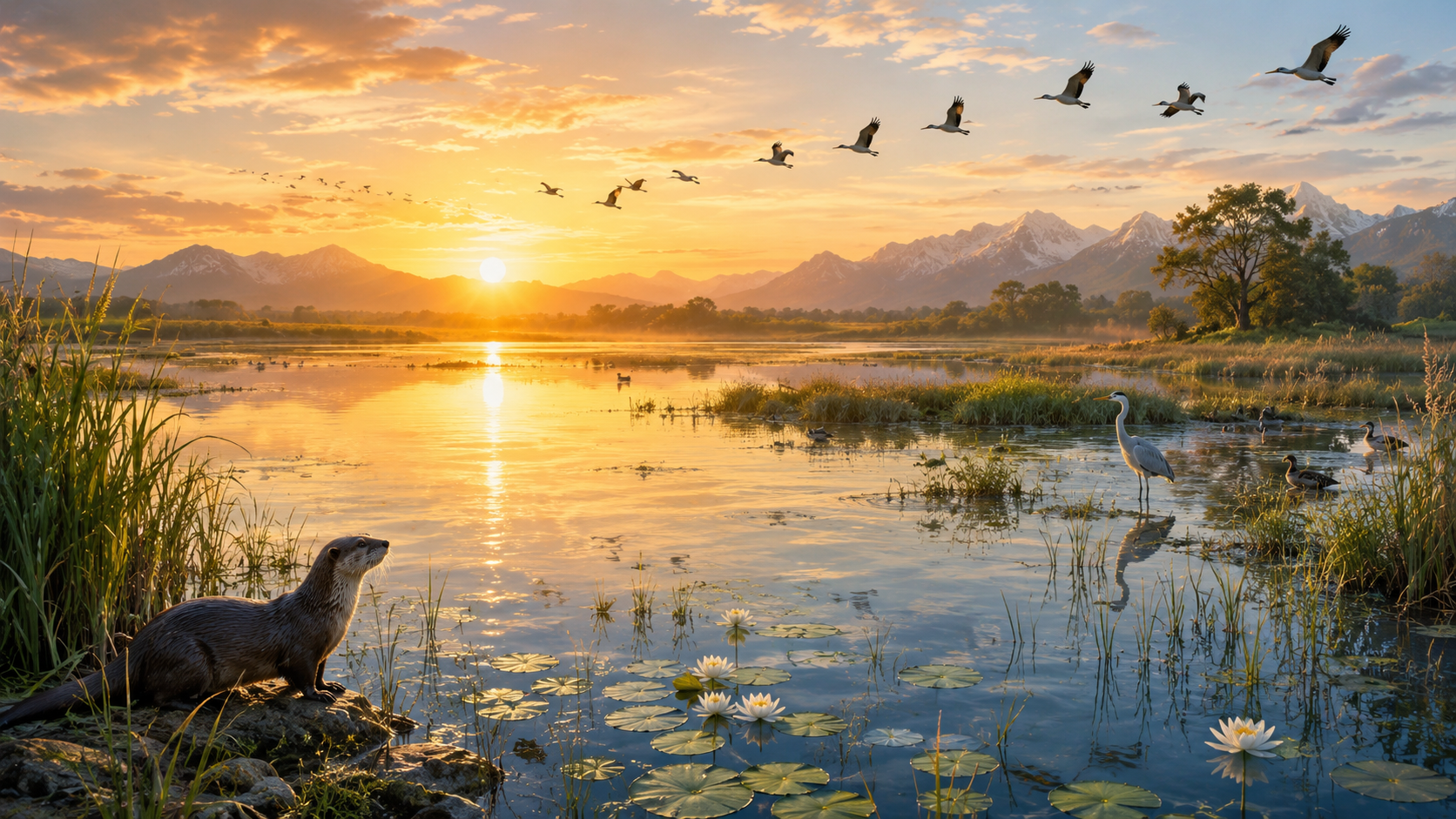
    Animal life in wetlands is equally diverse. Frogs, turtles, otters, fish, dragonflies, insects, and countless microorganisms depend on wetlands for food, breeding, or shelter. Many endangered species survive only because healthy wetlands still exist.

    Perhaps the most famous visitors are migratory birds. Every year, millions of birds travel thousands of kilometers between continents, relying on wetlands as safe places to rest and feed during their journeys. Without these stopover habitats, many migratory species would struggle to complete their migrations successfully.

    Because wetlands support such a remarkable concentration of biodiversity, protecting them helps conserve entire ecological communities rather than individual species alone.


    2. Nature’s Water Purification System
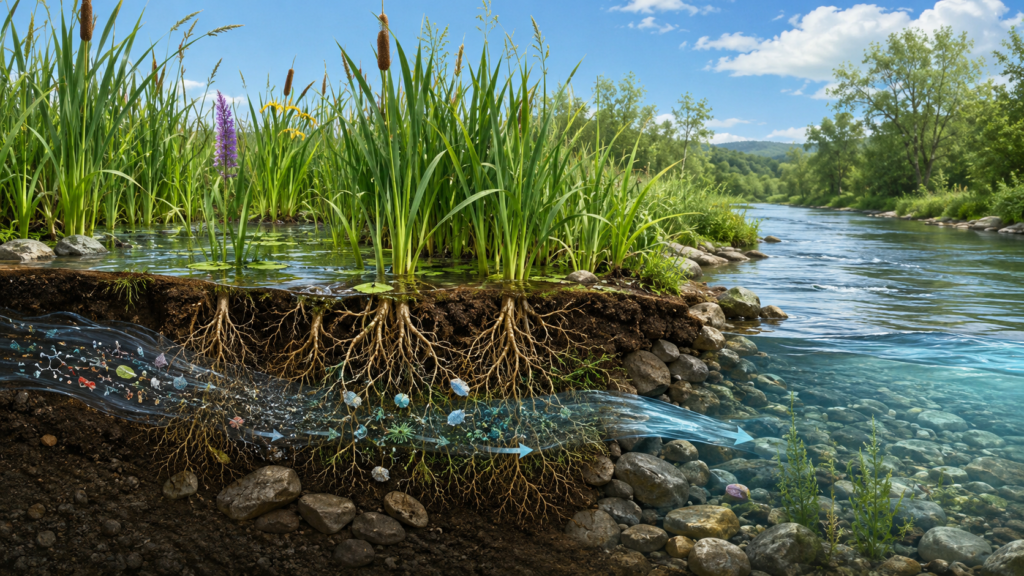
    wetlands naturally filtering and purifying freshwater

    One of the most valuable services wetlands provide is their natural ability to improve water quality.

    As water flows through a wetland, it slows down. Suspended sediments gradually settle to the bottom, while wetland plants absorb excess nutrients such as nitrogen and phosphorus that could otherwise pollute rivers and lakes.

    At the same time, bacteria and other microorganisms living in wetland soils break down organic matter and help remove harmful pollutants through natural biological processes.

    Together, plants, soil, and microorganisms create an efficient natural filtration system.

    For this reason, wetlands are often compared to living water treatment facilities. Unlike artificial treatment plants, however, wetlands perform this work continuously without consuming electricity or requiring expensive infrastructure.

    The benefits extend far beyond wildlife. Cleaner rivers improve drinking water supplies, support healthier fisheries, reduce water treatment costs, and create safer environments for both people and ecosystems.

    In many parts of the world, restoring wetlands has become an effective and sustainable strategy for improving freshwater quality while reducing environmental management costs.


    3. Nature’s Protection Against Floods

    Wetlands are also one of nature’s most effective defenses against floods.

    During periods of heavy rainfall, rivers can rise rapidly and overflow into surrounding communities. Wetlands help reduce this risk by temporarily storing enormous amounts of water.

    Rather than allowing rainwater to rush downstream immediately, wetlands absorb excess water much like a giant natural sponge. As rainfall decreases, they slowly release the stored water back into rivers and groundwater systems.

    This gradual release reduces flood peaks, limits soil erosion, and protects homes, farmland, and infrastructure from severe damage.

    As climate change increases the frequency of extreme rainfall events in many regions, governments are increasingly recognizing wetlands as an important part of disaster prevention strategies.

    Instead of relying only on dams, levees, or concrete flood barriers, many countries now restore wetlands as nature-based solutions that work with natural processes rather than against them.

    This approach often provides long-term environmental and economic benefits while strengthening ecosystem resilience.


    4. Wetlands and Climate Change

    In recent decades, scientists have discovered another remarkable function of wetlands: their ability to store carbon.

    Healthy wetlands remove carbon dioxide from the atmosphere through photosynthesis. Instead of releasing this carbon quickly back into the air, waterlogged soils slow decomposition, allowing large amounts of carbon to remain stored underground for centuries or even thousands of years.

    Peatlands are particularly important because they contain one of the largest carbon reserves on Earth despite covering only a small percentage of the planet’s surface.

    Coastal wetlands—including mangrove forests, salt marshes, and seagrass meadows—are equally valuable. These ecosystems store what scientists call blue carbon, carbon captured and stored by coastal vegetation and marine ecosystems.

    When wetlands are drained, burned, or converted into farmland or urban areas, much of this stored carbon is released into the atmosphere as greenhouse gases, accelerating global warming.

    Protecting wetlands therefore contributes not only to biodiversity conservation but also to international efforts to reduce climate change.

    Increasingly, environmental policies recognize that conserving wetlands is one of the most cost-effective ways to protect both ecosystems and the global climate.


    5. Why Wetland Conservation Matters More Than Ever

    Despite their enormous ecological value, wetlands remain among the most threatened ecosystems in the world.

    Expanding cities often reclaim wetlands for housing, roads, and industrial development. Agricultural projects frequently drain wetlands to create farmland, while pollution from fertilizers, chemicals, and plastic waste damages delicate ecological balances.

    Climate change adds further pressure through rising sea levels, changing rainfall patterns, prolonged droughts, and stronger storms.

    The loss of wetlands affects far more than local wildlife. It reduces water quality, increases flood risks, weakens natural carbon storage, and threatens the countless ecosystem services upon which human societies depend.

    Protecting wetlands therefore requires more than setting aside protected areas. Sustainable land management, pollution control, ecological restoration, responsible water use, and international cooperation are all essential.

    Around the world, governments, scientists, conservation organizations, and local communities are working together to restore degraded wetlands. These restoration projects not only bring wildlife back but also improve water security, strengthen climate resilience, and create healthier environments for future generations.

    Every restored wetland represents an investment in both nature and humanity.


    Conclusion: Nature’s Life-Support System
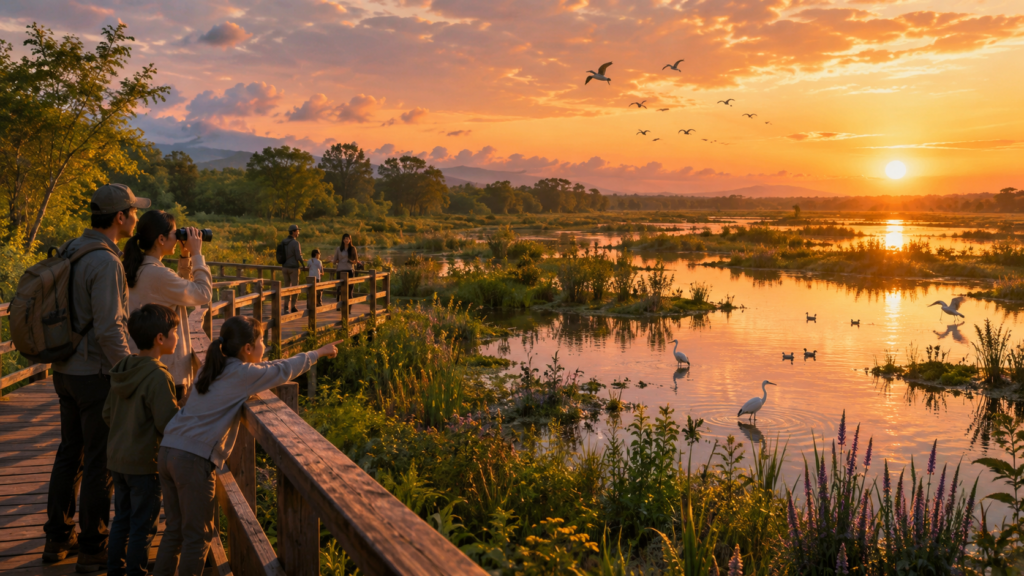
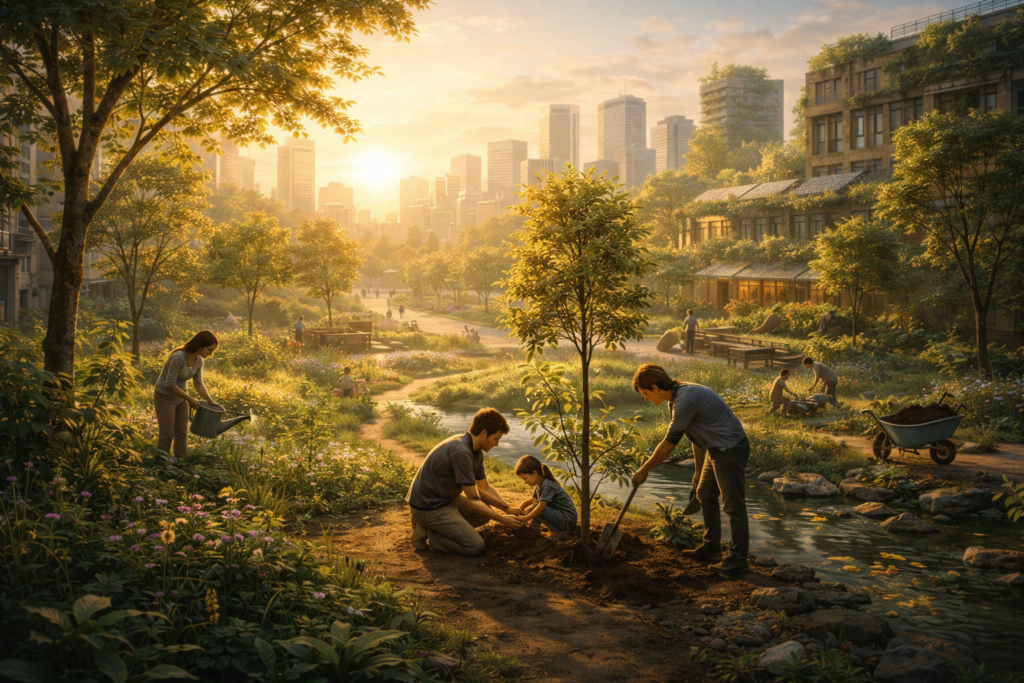
    people protecting wetlands for future generations

    Wetlands may appear quiet and ordinary, but they perform some of nature’s most extraordinary work. They support countless species, purify water, reduce flood risks, and help regulate the Earth’s climate—all while quietly sustaining the natural balance on which life depends.

    As environmental challenges continue to grow, protecting wetlands becomes more than an act of conservation. It is an investment in clean water, biodiversity, climate resilience, and the well-being of future generations. By preserving these remarkable ecosystems, we are ultimately protecting one of nature’s most effective life-support systems.

    A Question for Readers

    Wetlands quietly provide clean water, protect wildlife, reduce floods, and help slow climate change—often without us noticing.

    If a wetland near your community disappeared tomorrow, which of its benefits do you think people would miss first, and why?


    Related Reading

    Our understanding of wetlands begins with understanding water itself. In The Origins of Medicine, we explored how clean water and healthy environments have shaped human health throughout history. Wetlands continue to play that same life-supporting role by naturally filtering water and maintaining healthy ecosystems.

    Wetlands also remind us that scientific progress depends on understanding complex natural systems. This idea connects naturally with The New Space Age: From Moon Missions to the Space Economy, which shows how scientific exploration—whether on Earth or beyond—helps humanity better understand and protect our shared future.

    References

    1. Mitsch, William J., and James G. Gosselink. Wetlands. 5th ed., Wiley, 2015.

    Widely regarded as one of the definitive textbooks on wetland ecology, this book explains how wetlands function, why they support exceptional biodiversity, and how they contribute to water purification, flood control, and climate regulation. It is a foundational reference for both students and environmental professionals.


    2. Keddy, Paul A. Wetland Ecology: Principles and Conservation. 2nd ed., Cambridge University Press, 2010.

    Keddy provides a comprehensive introduction to wetland ecosystems, exploring their ecological processes, biodiversity, and the challenges of conservation. The book emphasizes the importance of wetlands for maintaining ecological balance in a rapidly changing world.


    3. Millennium Ecosystem Assessment. Ecosystems and Human Well-being: Wetlands and Water Synthesis. World Resources Institute, 2005.

    This landmark international assessment explains how wetlands provide essential ecosystem services, including clean water, flood mitigation, food production, and biodiversity conservation. It remains one of the most influential reports linking healthy ecosystems to human well-being.


    4. Ramsar Convention Secretariat. The Ramsar Convention Manual: A Guide to the Convention on Wetlands. 7th ed., Ramsar Convention Secretariat, 2022.

    This official guide introduces the Ramsar Convention, the world’s leading international agreement for wetland conservation. It explains the ecological importance of wetlands and outlines global efforts to promote their wise use and long-term protection.


    5. IPCC. Climate Change 2023: Synthesis Report. Intergovernmental Panel on Climate Change, 2023.

    The IPCC highlights the importance of protecting natural ecosystems, including wetlands, as part of climate mitigation and adaptation strategies. The report emphasizes that conserving carbon-rich ecosystems is essential for achieving long-term climate resilience.

  • Would Earth Be Better Without Humans?

    Would Earth Be Better Without Humans?

    Rethinking Anthropocentrism and Our Place in the Living World

    Imagine a world where humans have disappeared.

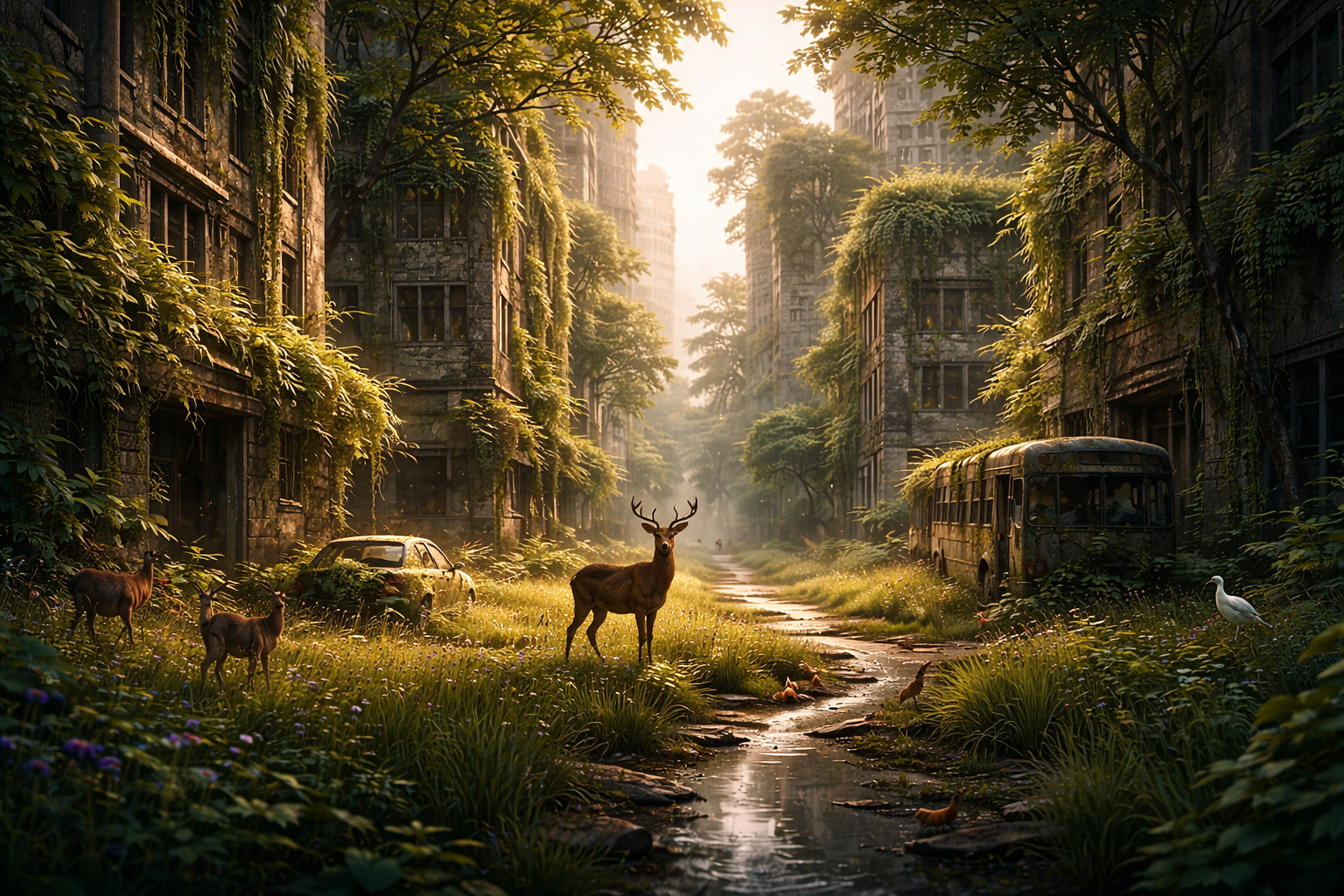
    Cities grow silent. Forests reclaim abandoned streets.
    Oceans begin to heal, and endangered species return.

    Surprisingly, this vision does not always feel like a dystopia.

    It leads us to an unsettling question:

    Would the Earth be better without us?

    1. Nature Does Not Depend on Humans

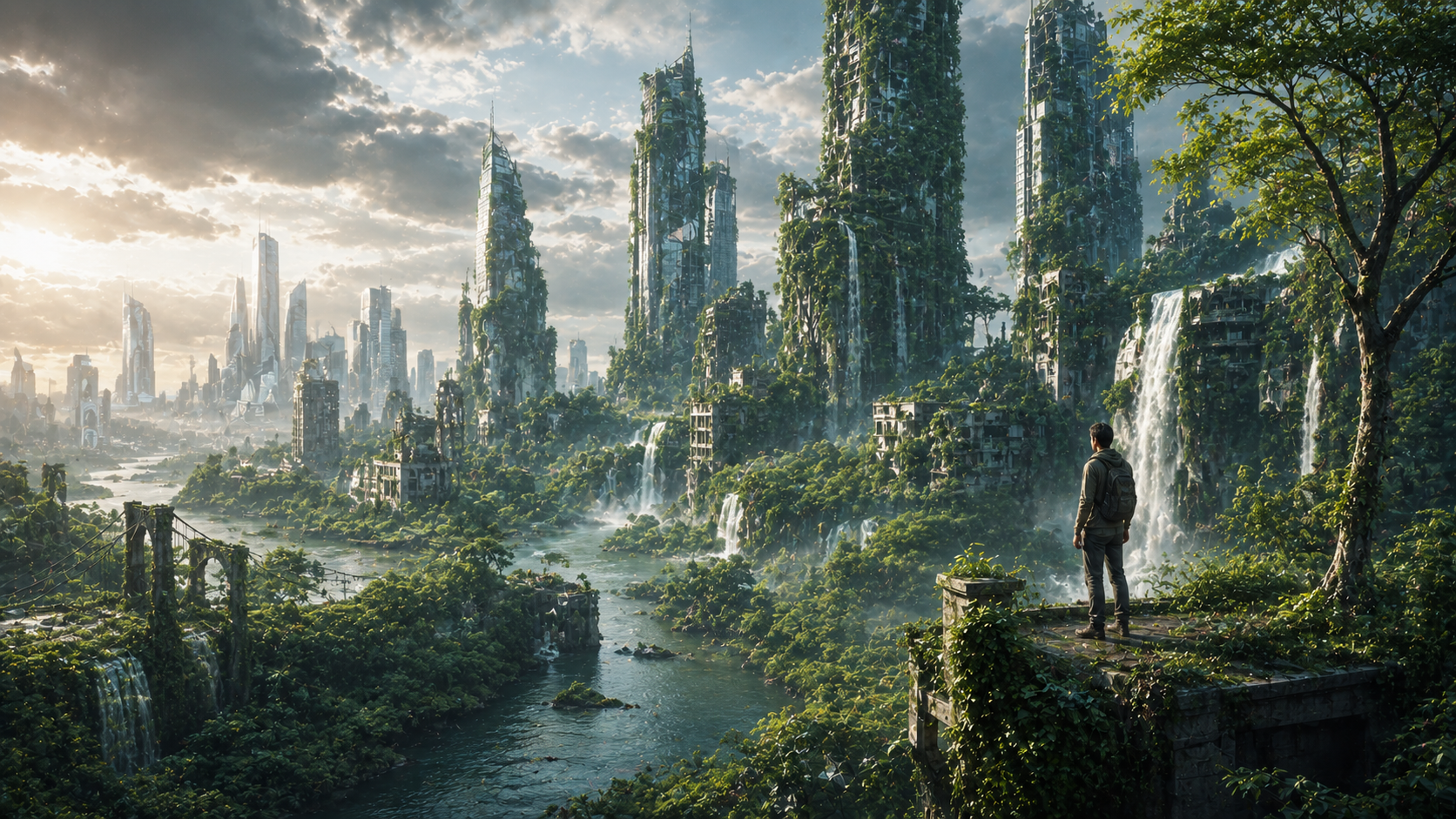
    empty city street without humans

    Evidence from Temporary Absence

    During the COVID-19 pandemic, reduced human activity led to
    clearer skies, cleaner air, and the return of wildlife to urban areas.

    Nature began to recover—
    not because of human intervention, but because of its absence.


    The Resilience of Ecosystems

    This suggests that ecosystems possess
    an inherent capacity for regeneration.

    Life on Earth evolved long before humans existed—
    and it can continue without us.


    2. The Shadow of Anthropocentrism

    Humans at the Center

    For centuries, human civilization has placed itself
    at the center of existence.

    Philosophical traditions—from Descartes onward—
    reinforced the idea that humans are distinct from, and superior to, nature.


    The Cost of Dominance

    This worldview has justified exploitation:
    deforestation, industrialization, and biodiversity loss.

    The belief that we are “owners” of the Earth
    may be one of the greatest threats to its survival.

    wildlife thriving in restored nature

    3. Would a Human-Free Earth Be Ideal?

    A World Without Witnesses

    A human-free Earth might be greener, cleaner, and more balanced.

    But it would also be a world without observers—
    no one to perceive beauty, meaning, or value.


    Humans as Destroyers—and Stewards

    Humans are not only agents of destruction.
    We are also capable of responsibility, care, and restoration.

    Environmental movements, conservation efforts, and sustainability innovations
    all originate from human awareness.


    4. From Dominance to Coexistence

    A Better Question

    Perhaps the real question is not:

    “Would Earth be better without humans?”

    But rather:

    “How can humans exist in a way that allows Earth to thrive?”


    Redefining Our Role

    Through technology, ethics, education, and culture,
    we can move from domination to coexistence.

    Not as rulers of nature—
    but as participants within it.


    Conclusion: Who Does the Earth Belong To?

    humans and nature living in harmony

    A human-free Earth might be quieter and more balanced.

    But it would also be a world without meaning—
    at least in human terms.

    The future of Earth does not depend on our disappearance,
    but on our transformation.

    From exploiters to caretakers,
    from owners to co-inhabitants.

    The question is not whether we should vanish—
    but whether we can learn to belong.


    Reader Question

    Do you believe the Earth needs fewer humans—
    or better humans?


    Related Reading

    The broader ethical question of humanity’s place within the natural world is explored further in Can Humans Be the Moral Standard?, which examines whether moral value should remain centered on human interests or be extended to animals, ecosystems, and the Earth itself. This wider perspective provides an essential framework for considering whether humanity should always occupy the highest moral position.

    The debate over humanity’s relationship with nature continues in Can Nature Have Rights Above Humans?, which explores whether ecosystems and non-human life possess intrinsic rights independent of human needs. Together, these discussions move beyond environmental protection to ask whether nature itself deserves moral consideration equal to—or even greater than—that of humanity.


    References

    1. ReferencesKolbert, E. (2014). The Sixth Extinction: An Unnatural History. New York: Henry Holt.
    → Kolbert documents how human activity is driving mass extinction, offering powerful evidence that ecological imbalance is closely tied to anthropogenic impact.

    2. Weisman, A. (2007). The World Without Us. New York: Thomas Dunne Books.
    → This book imagines a planet without humans, illustrating how natural systems would reclaim human-made environments and restore ecological balance over time.

    3. Crist, E. (2018). Abundant Earth: Toward an Ecological Civilization. Chicago: University of Chicago Press.
    → Crist critiques anthropocentrism and proposes a shift toward ecological coexistence, emphasizing the need

  • What Can Nature Teach Us About Ethics?

    What Can Nature Teach Us About Ethics?

    When people discuss morality or ethics, they often look to religion, philosophy, law, or social agreements.

    But there is another question worth asking:

    Could nature itself offer ethical guidance for human life?

    If human beings are part of nature, then perhaps the patterns we observe in the natural world—balance, cycles, restraint, and coexistence—can provide subtle hints about how we should live.

    Nature may not speak in words, but it often teaches through patterns.


    1. Where Do Human Moral Standards Come From?

    Ethical standards have traditionally been derived from philosophical reasoning, religious teachings, or social rules.

    However, long before formal moral systems existed, humans lived within ecosystems that already followed certain patterns of order.

    The natural world operates through cycles—birth and decay, growth and renewal, balance and limitation.

    Observing these patterns raises an intriguing possibility: perhaps ethical reflection can also emerge from the structure of nature itself.


    2. Ethical Clues Hidden in Everyday Nature

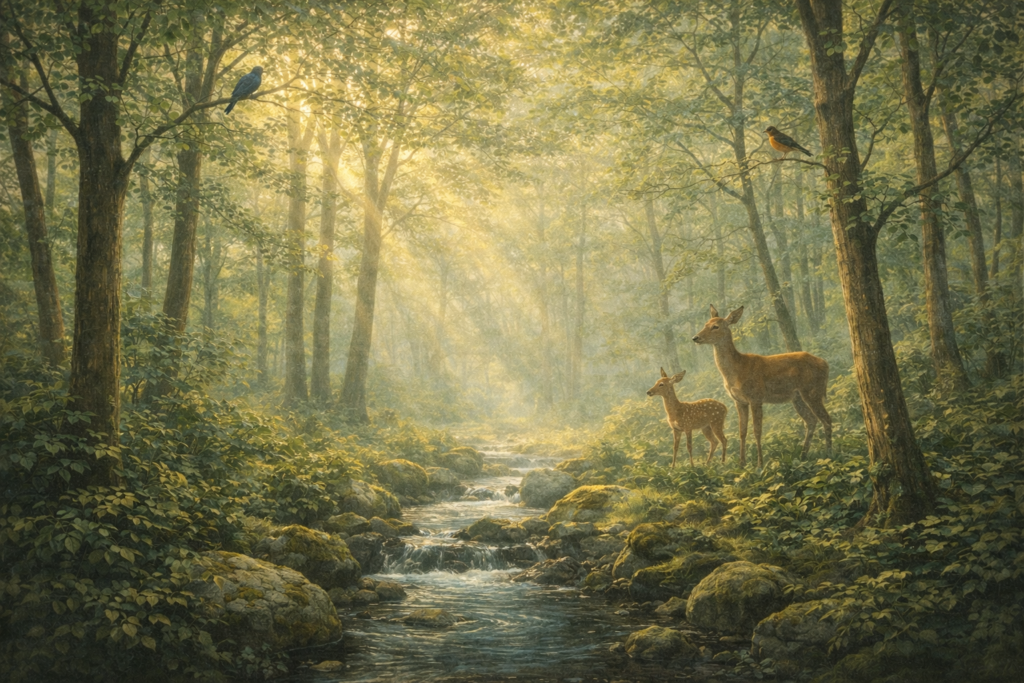
    forest ecosystem showing balance and coexistence Insert Position

    Nature quietly demonstrates several principles that resemble ethical ideas.

    The sun rises in the morning and sets at night.
    Trees grow leaves in spring and release them in autumn without resistance.
    Animals hunt for survival, not for endless accumulation.

    From these patterns we may notice ideas such as restraint, balance, and coexistence.

    Imagine a wolf in a forest that begins hunting far beyond what it needs for survival.
    If it were to eliminate large numbers of deer without restraint, the ecosystem would collapse.

    Nature functions through equilibrium.
    When one part of the system exceeds its limits, the entire system becomes unstable.

    In this sense, nature silently warns against excess.


    3. How Natural Ethics Differ from Human Ethics

    Nature does not issue moral commands.

    It does not tell us directly what we “should” do.

    Instead, it reveals consequences.

    When humans exploit natural resources without limits—through deforestation, pollution, or excessive consumption—the results appear in the form of climate change and ecological disruption.

    It can almost feel as if nature is saying:

    “You have taken more than the system can sustain.”

    The American philosopher and naturalist Henry David Thoreau believed that nature could teach humans how to live more wisely.

    Through his time living near Walden Pond, Thoreau argued that simplicity and closeness to nature could help humans rediscover moral clarity beyond material excess.


    4. Natural Harmony as an Ethical Model

    One of the most powerful lessons in nature is coexistence.

    Bees collect nectar while pollinating flowers.
    Forests grow through networks of cooperation among plants, fungi, and animals.

    Each organism survives while contributing to the stability of the whole system.

    In modern society, many ethical discussions revolve around balancing individual benefit with collective well-being.

    Nature has been demonstrating such balance for millions of years.

    Movements such as Zero Waste reflect attempts to imitate nature’s cycles.
    Instead of producing endless waste, these philosophies encourage human systems to function more like ecosystems—where outputs from one process become inputs for another.


    5. Are Humans Part of Nature—or Opposed to It?

    person walking in city disconnected from nature

    Interestingly, humans possess the ability to understand nature deeply and even imitate its systems.

    Yet modern societies often organize life in ways that move against natural rhythms.

    Nature moves slowly, but modern life emphasizes speed.
    Nature is interconnected, while modern culture often prioritizes individualism.

    These differences sometimes lead to consequences such as environmental crises, social isolation, and psychological burnout.

    Some environmental philosophers therefore argue that ethics must move beyond purely human-centered thinking.

    Instead of seeing humans as rulers of nature, they propose redefining humanity as participants within an ecological community.

    From that perspective, ethical living may mean learning to live as a part of nature rather than above it.

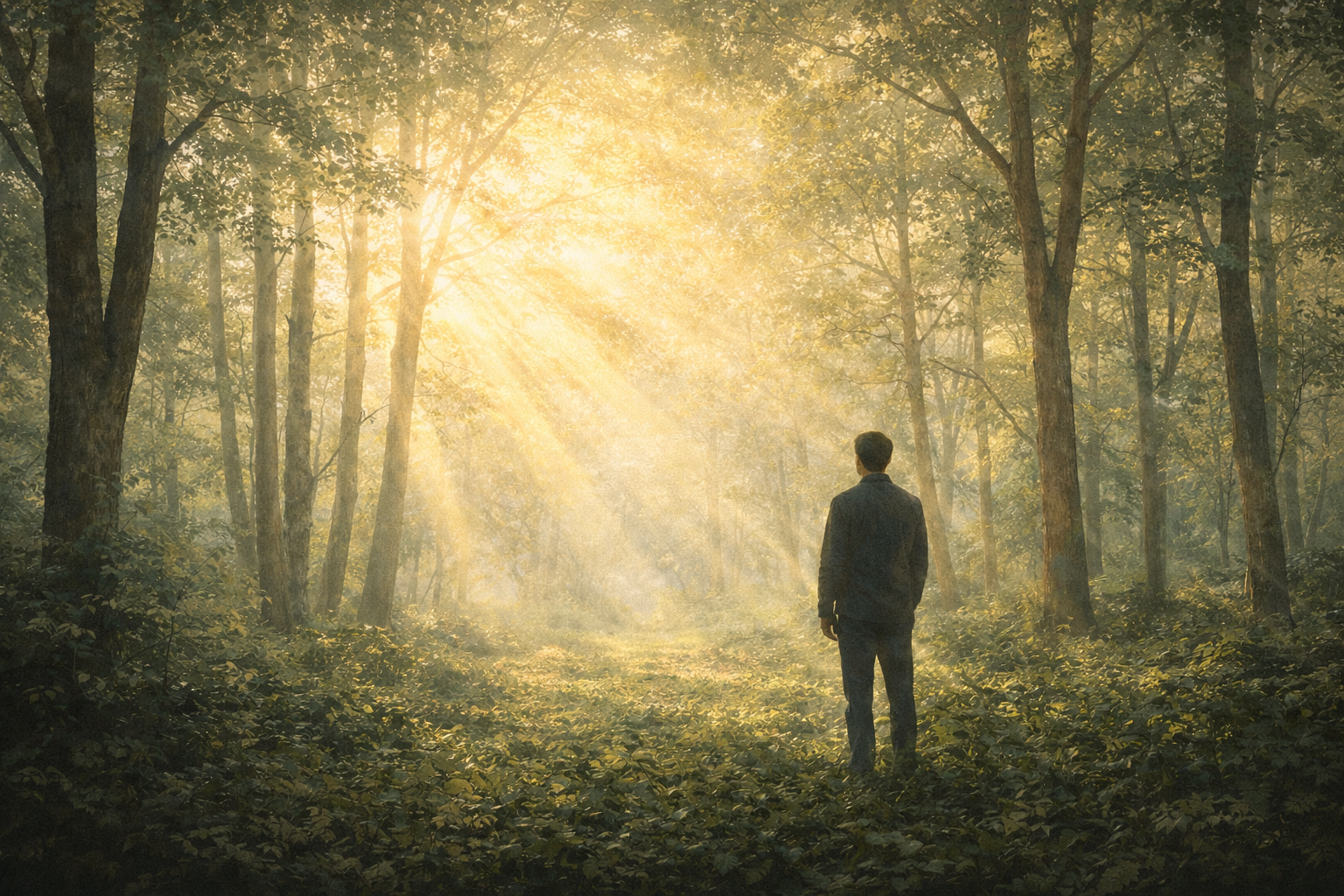
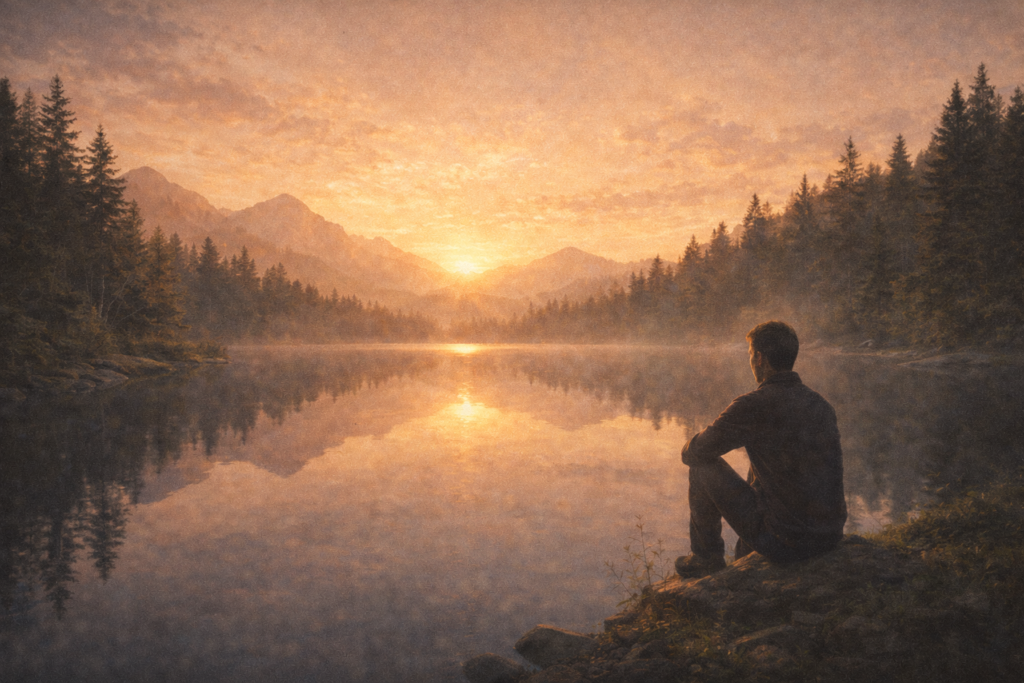
    person reflecting quietly beside a lake in nature Insert Position

    Conclusion

    Nature rarely speaks in words.

    Yet over long stretches of time, it communicates through patterns and consequences.

    It quietly suggests moderation, balance, and coexistence.

    If humans are willing to listen, nature can become a profound ethical teacher.

    Perhaps the most important lesson is simple:

    We are not masters of nature.
    We are part of it.

    Related Reading

    The search for ethical guidance in everyday life is explored further in Why Lighting a Candle Feels Like a Ritual — The Cultural Meaning of Candlelight, where simple human practices reveal how symbolic acts and natural elements help people reflect on values such as humility, reflection, and moral awareness. Just as candlelight invites quiet contemplation, nature itself often serves as a silent teacher of balance, restraint, and interconnectedness.

    At a broader philosophical level, questions about how human systems interact with larger forces are examined in Fusion Culture: Creative Exchange or Cultural Imperialism?, where debates about cultural exchange reveal tensions between cooperation and dominance in global society. Similar to ecosystems in nature, human cultures constantly interact, adapt, and influence one another—raising deeper questions about responsibility, power, and ethical coexistence.

    Question for Readers

    Do you think nature can teach humans ethical lessons?

    For example, can ideas like balance, restraint, and coexistence in nature guide how we live and make decisions?

    Or do you believe that ethics should come only from human culture, philosophy, and social agreements?

    Share your thoughts in the comments.


    References

    1. Thoreau, H. D. (1854). Walden; or, Life in the Woods. Boston: Ticknor and Fields.
    → In this classic work, Thoreau reflects on simple living in natural surroundings near Walden Pond. He argues that modern society’s obsession with wealth and speed distracts people from deeper moral reflection. By reconnecting with nature, individuals can rediscover simplicity, self-awareness, and ethical clarity.

    2. Leopold, A. (1949). A Sand County Almanac. Oxford University Press.
    → Leopold introduces the influential concept of the “land ethic,” which expands ethical consideration to include soils, waters, plants, and animals. He argues that humans should see themselves as members of an ecological community rather than conquerors of it, forming one of the foundations of modern environmental ethics.

    3. Carson, R. (1962). Silent Spring. Boston: Houghton Mifflin.
    → Carson’s groundbreaking book exposed the ecological damage caused by pesticides such as DDT. By revealing the interconnectedness of ecosystems, the work sparked the modern environmental movement and emphasized the ethical responsibility humans have toward the natural world.

  • Can Nature Have Rights Above Humans?

    Can Nature Have Rights Above Humans?

    Ecological Ethics and the Future of Human Responsibility

    A Question Raised by the Climate Crisis

    Global temperatures have already risen close to 1.5°C above pre-industrial levels. Heatwaves, floods, wildfires, and droughts are no longer rare disasters but recurring realities. Climate change is no longer a future threat—it directly affects human survival today.

    This reality forces a fundamental ethical question:
    Should human rights and interests always come first, or does nature itself deserve moral and legal priority?

    Industrial cityscape symbolizing human-centered development and anthropocentrism

    1. Anthropocentrism: Humans as the Sole Bearers of Rights

    Philosophical Foundations of Human-Centered Thinking

    Modern Western thought has long placed humans at the center of moral consideration. Since Descartes’ declaration “I think, therefore I am,” nature has largely been treated as a resource to be controlled and utilized. Legal and political systems evolved primarily to protect human rights, often excluding non-human entities from moral concern.

    Development Justified in the Name of Human Benefit

    Large-scale development projects—such as dams, highways, or industrial complexes—have historically been justified by promises of economic growth and employment, even when they destroyed ecosystems or displaced communities. These decisions reflect anthropocentrism, the belief that human interests inherently outweigh those of the natural world.


    2. The Challenge of Ecological Ethics: Nature as a Moral Subject

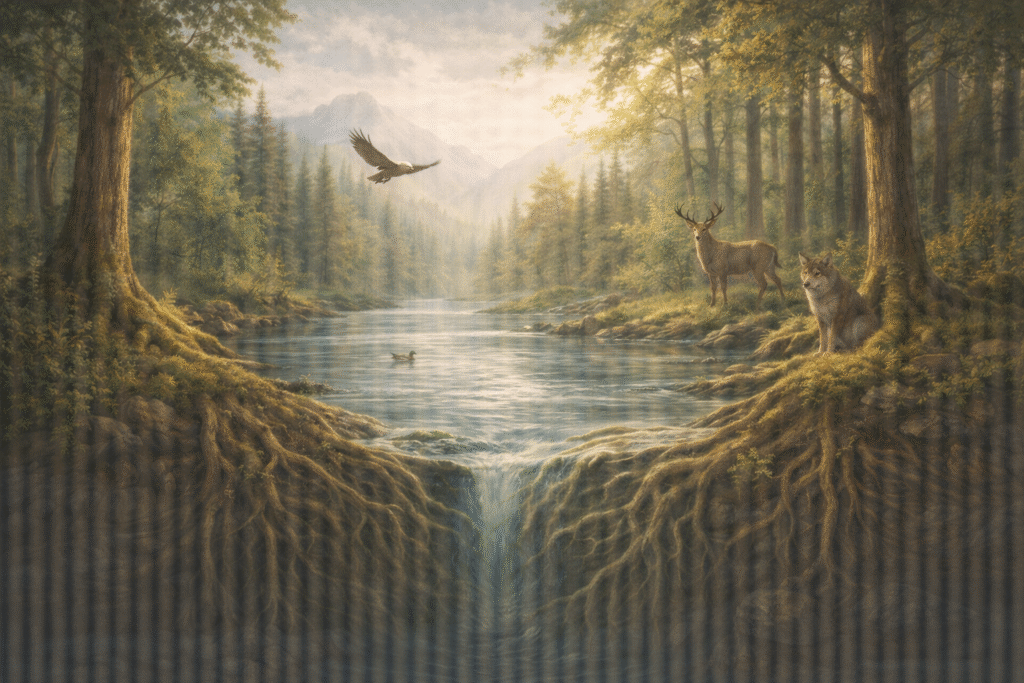
    Forest and river ecosystem representing ecological ethics and rights of nature

    Aldo Leopold and the Land Ethic

    In the mid-20th century, this worldview began to be challenged. Aldo Leopold’s concept of the Land Ethic argued that humans are not conquerors of nature but members of a broader ecological community. Soil, water, plants, and animals should be included within the sphere of moral responsibility.

    Legal Recognition of Nature’s Rights

    This ethical shift has increasingly entered legal frameworks. Ecuador’s constitution recognizes the rights of nature, and New Zealand granted legal personhood to the Whanganui River, reflecting Indigenous perspectives that view humans and nature as inseparable.

    These cases represent a radical departure from seeing nature as property, redefining it instead as a rights-bearing entity.


    3. Conflicting Values in the Climate Crisis

    Rights Versus Rights

    Climate conflicts often involve competing claims. A forest may serve as a vital carbon sink and habitat, yet local communities may depend on land development for housing and employment. Prioritizing nature may restrict economic rights, while prioritizing development may accelerate ecological collapse.

    Climate Change as a Political and Ethical Crisis

    This tension reveals that climate change is not merely an environmental issue but a conflict between rights—human rights versus ecological integrity. The challenge lies in resolving this conflict without sacrificing long-term survival for short-term gain.


    4. Bridging Human and Natural Rights

    Several approaches seek to move beyond simple opposition:

    • Interdependent Rights: Human rights depend on healthy ecosystems—clean air and water are prerequisites for life.
    • Intergenerational Justice: Future generations’ rights demand limits on present exploitation.
    • Community-Based Perspectives: Indigenous worldviews often treat humans and nature as members of a single moral community.

    5. Ecological Ethics as a New Social Contract

    Beyond Environmental Protection

    Ecological ethics calls for more than conservation policies. It challenges political, legal, and economic systems to redefine responsibility in an age of planetary limits.

    Legal and Moral Innovation

    Recent climate lawsuits argue that government inaction violates citizens’ fundamental rights. At the same time, recognizing nature as a rights-holder suggests a future where humans and ecosystems share legal standing.

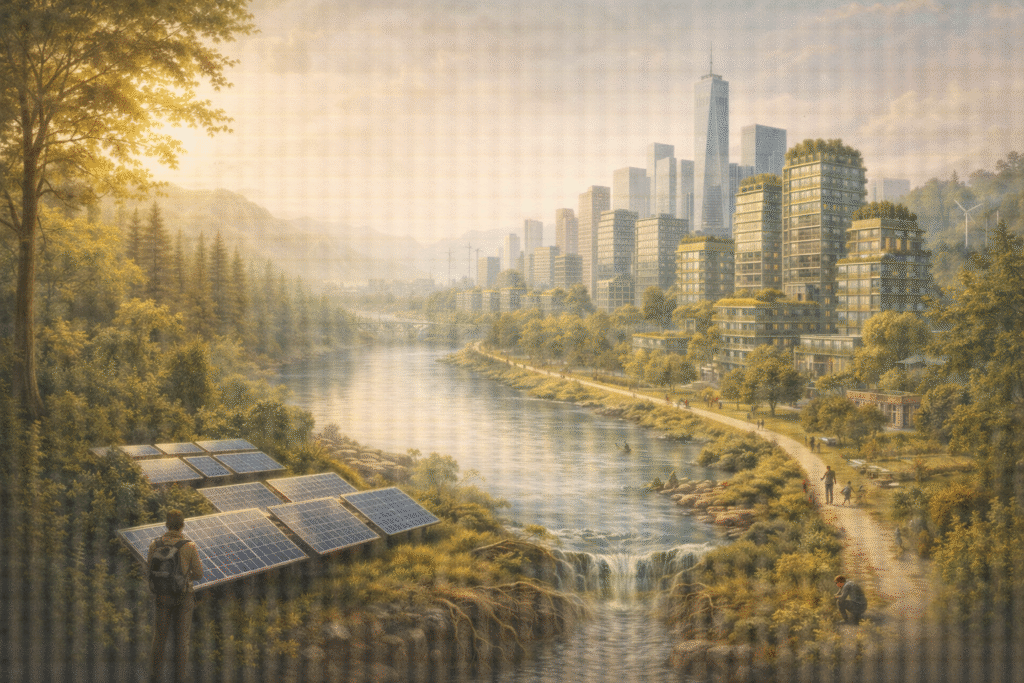
    Sustainable city and nature coexistence symbolizing ecological coexistence

    Conclusion: From Hierarchy to Coexistence

    Can nature have rights above humans? Framed as a simple hierarchy, the question leads to endless conflict. Yet the climate crisis reveals a deeper truth: when nature’s rights are violated, human rights ultimately collapse as well.

    True solutions lie not in choosing between humans and nature, but in recognizing their interdependence. In an age of ecological limits, justice may no longer belong to humans alone.

    A Question for Readers

    If protecting nature required limiting certain human activities or economic freedoms, would society be willing to accept those sacrifices?

    Or do humans still believe they stand above the natural world?

    Related Reading

    The broader ethical debate over humanity’s place within the natural world is explored further in Can Humans Be the Moral Standard?, which examines whether moral value should remain centered on human interests or be extended to animals, ecosystems, and the planet itself. This wider perspective provides an essential framework for understanding why the idea of rights may no longer be limited to human beings alone.

    The climate crisis intensifies these questions by challenging humanity’s role within the Earth’s ecosystems. Would Earth Be Better Without Humans? explores whether human civilization ultimately protects or damages the natural world, extending the discussion from environmental responsibility to the deeper question of whether nature possesses intrinsic value independent of human interests.


    References

    1. Stone, C. D. (1972). Should Trees Have Standing? Toward Legal Rights for Natural Objects. Southern California Law Review, 45(2), 450–501.
      → A foundational legal argument proposing that natural entities should be recognized as legal subjects rather than mere property.
    2. Naess, A. (1989). Ecology, Community and Lifestyle: Outline of an Ecosophy. Cambridge University Press.
      → Establishes the philosophical foundations of deep ecology, rejecting anthropocentrism in favor of intrinsic ecological value.
    3. Leopold, A. (1949). A Sand County Almanac. Oxford University Press.
      → A classic text in environmental ethics introducing the Land Ethic and redefining humans as members of a biotic community.
    4. Singer, P. (1993). Practical Ethics. Cambridge University Press.
      → Expands ethical consideration beyond humans, including animals and environmental concerns.
    5. Jonas, H. (1984). The Imperative of Responsibility: In Search of an Ethics for the Technological Age. University of Chicago Press.
      → Argues for ethical responsibility toward future generations and the natural world in an era of technological power.