Tag: sociology

  • Are Our Emotions Truly Ours—or Socially Constructed?

    Are Our Emotions Truly Ours—or Socially Constructed?

    Emotional Labor, Social Media, and the Sociology of Feeling in Modern Society

    We usually think of emotions as deeply personal.

    Sadness.
    Anger.
    Joy.
    Anxiety.

    These feelings seem to emerge naturally from within us, as if they belong entirely to our inner selves.

    But sociologists raise a different possibility.

    What if emotions are not only personal experiences—

    But also social performances shaped by expectations, norms, and power structures?

    In modern society, emotions are increasingly:

    • managed
    • regulated
    • performed
    • marketed
    • and even politicized

    This idea forms the foundation of what sociologists call the sociology of emotions.

    And it forces us to ask a difficult question:

    Are our emotions truly ours—
    or are they partly created by society itself?

    worker hiding emotions behind polite smile

    1. Emotions Exist Within Social Rules

    Social Expectations Shape Emotional Expression

    Most people believe they express emotions freely.

    However, society constantly teaches us when, where, and how emotions should be displayed.

    For example:

    • laughing at a funeral is considered inappropriate
    • crying at a wedding may be viewed as touching
    • customer service workers are expected to smile even when upset
    • social media users often feel pressured to react positively online

    These examples show that emotions are not expressed randomly.

    They are guided by social expectations.


    Emotions as Social Performance

    As a result, emotions are often:

    • controlled
    • suppressed
    • exaggerated
    • or performed

    This raises an important possibility:

    Perhaps emotions are not purely spontaneous inner truths.

    Perhaps they are also socially organized forms of expression.


    2. Emotional Labor in Modern Society

    Arlie Hochschild and Emotional Labor

    The concept of emotional labor was introduced by Arlie Russell Hochschild.

    It describes situations where workers must regulate and manage emotions as part of their job.

    Examples include:

    • flight attendants
    • call-center employees
    • caregivers
    • hotel staff
    • healthcare workers

    These professions often require emotional performance in addition to physical or intellectual work.


    When Emotions Become a Commodity

    For example, customer service workers may need to remain calm and friendly even when facing verbal abuse.

    In these situations, workers suppress genuine feelings in order to display professionally acceptable emotions.

    This can lead to:

    • burnout
    • emotional exhaustion
    • emotional dissonance

    Modern capitalism increasingly turns emotions themselves into marketable resources.

    In other words, feelings become part of labor.


    3. Social Media and the Structure of Emotion
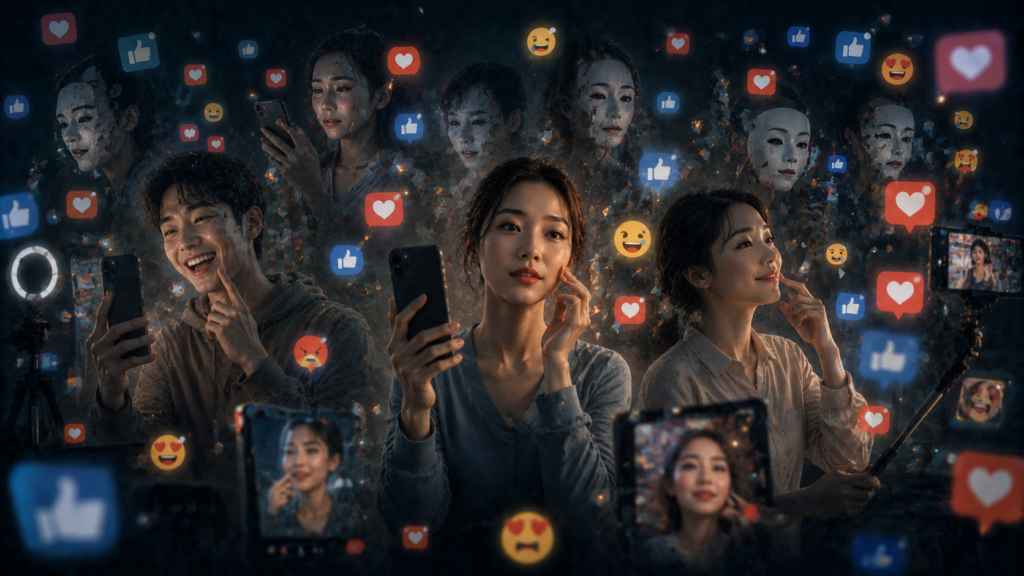
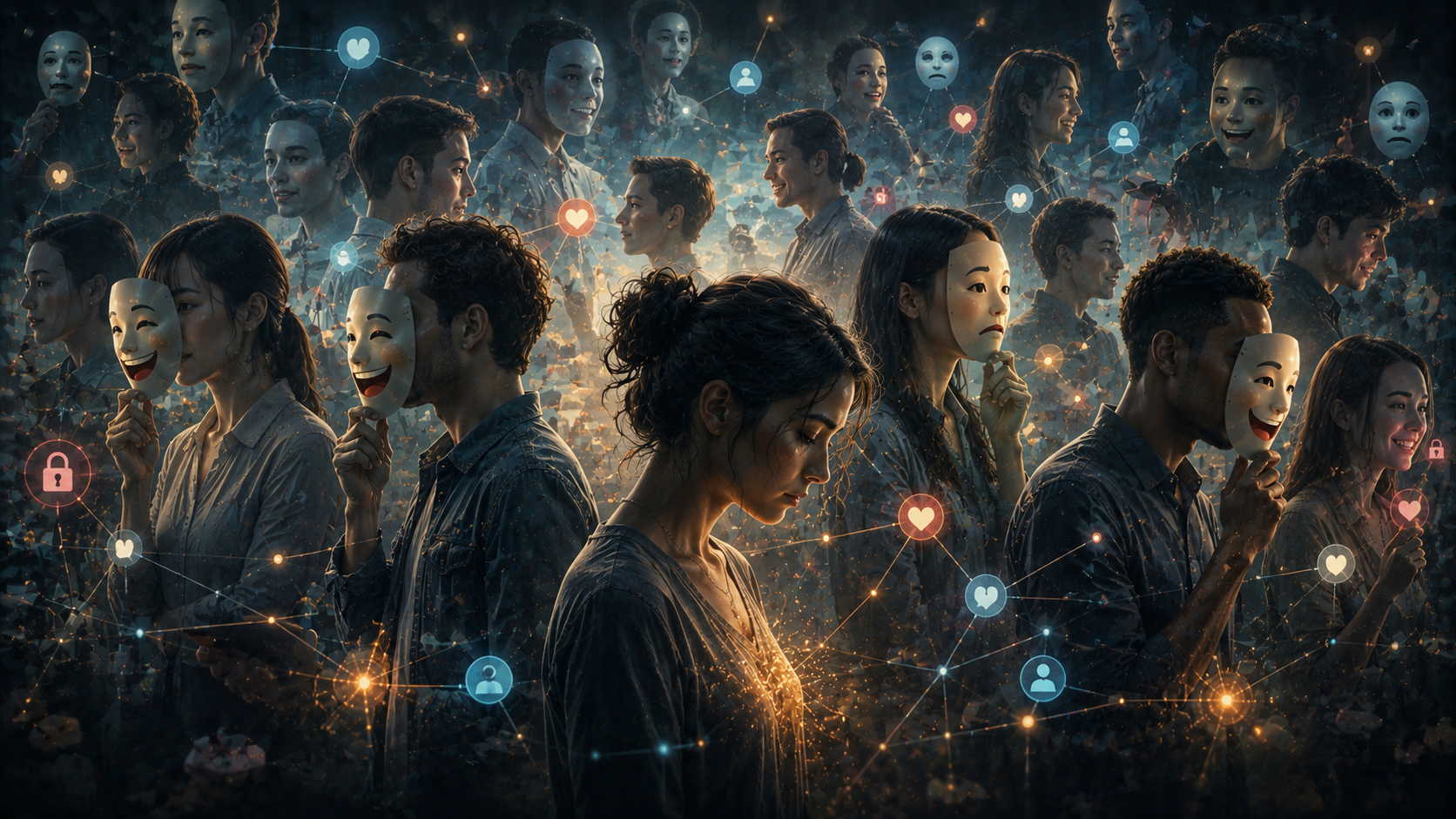
    people performing emotions on social media

    Emotional Expression Online

    Social media appears to offer unlimited emotional freedom.

    However, online emotions are also shaped by:

    • algorithms
    • social approval
    • visibility
    • platform culture

    For example:

    • excessive negativity may make others uncomfortable
    • people often feel pressured to “like” posts to maintain relationships
    • certain emotions spread more easily than others online

    Performing Emotion for Visibility

    As a result, social media sometimes becomes less about authentic feeling
    and more about emotional presentation.

    People carefully curate:

    • happiness
    • outrage
    • vulnerability
    • excitement

    in ways that fit platform expectations.

    In many cases, users do not simply express emotions—

    They perform them.


    4. Collective Emotion and Politics

    Fear, Anger, and Political Power

    Emotions become especially powerful when they spread collectively.

    Political movements often grow through shared emotions such as:

    • fear
    • anger
    • resentment
    • solidarity

    For example:

    • fear may increase support for strong security policies
    • anger toward inequality may fuel protests
    • hatred toward minorities may strengthen extremist politics

    Social Media and Emotional Amplification

    Social media accelerates emotional spread at enormous speed.

    In particular, anger tends to spread faster than empathy.

    Examples such as:

    • the Arab Spring
    • protests following the death of George Floyd
    • the Myanmar democracy movement

    demonstrate how collective emotions can transform into political action.

    This shows that emotions are not merely private experiences.

    They are also social and political forces.


    Conclusion: Is Emotion the “Real Self” or the “Required Self”?
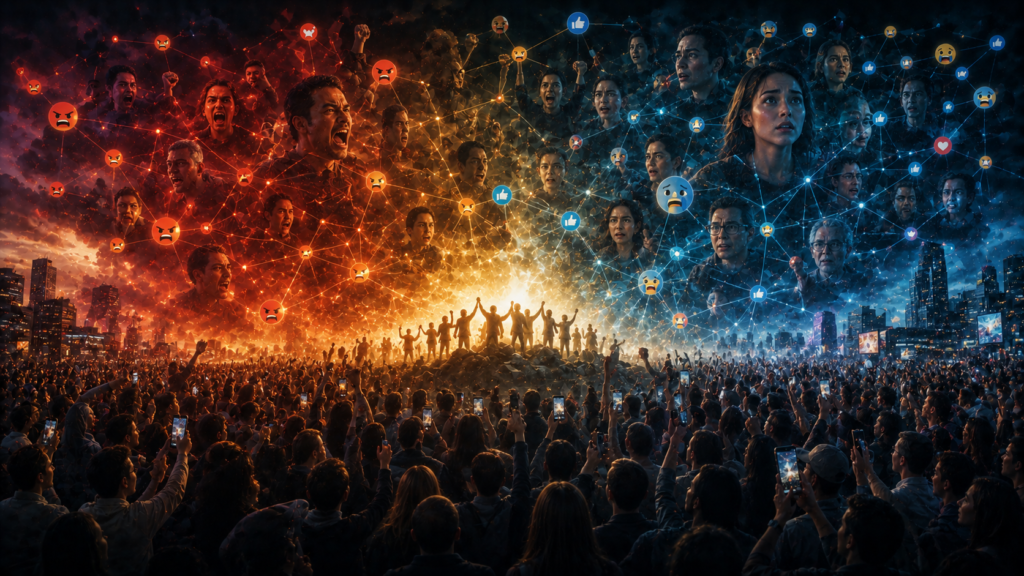
    collective emotions spreading through society

    Emotions certainly begin within individuals.

    However, the way emotions are expressed, interpreted, and valued is deeply influenced by society.

    Modern society increasingly:

    • manages emotions
    • commercializes emotions
    • structures emotions
    • and politicizes emotions

    As a result, people may sometimes confuse genuine feelings with socially expected performances.

    This leads to one final question:

    Are your emotions entirely your own—
    or are they partly shaped by the world teaching you how to feel?

    Perhaps asking this question is the first step toward understanding the sociology of emotions.

    Reader Question

    Have you ever smiled when you did not want to, hidden your emotions to fit social expectations, or reacted online in ways you did not genuinely feel?

    If so, where do your emotions truly begin—

    Inside yourself, or within the society shaping how you are expected to feel?

    Related Reading

    If society can shape how we express emotions, can it also shape how we understand identity itself?
    In Gender and Identity: Can Society Move Beyond the Binary?, we explore how social expectations influence gender roles, personal identity, and the ways individuals perform socially accepted versions of themselves.


    If digital platforms increasingly structure our emotions through algorithms, visibility, and social approval, are our feelings becoming less authentic—or simply more socially organized?
    In In a World Where Everything Is Recorded, Is Forgetting a Sin—or a Right?, we examine how digital systems influence memory, identity, and emotional behavior in a world where almost nothing disappears.


    References

    1. A. Pratesi (2024). Emotions and Social Change.
      This work analyzes how emotions interact with social change through both theoretical and empirical perspectives. It treats emotions not merely as personal reactions, but as phenomena shaped by social structures and power relations.
    2. A. Boone (2024). A Rhetorical-Sociological Understanding of Emotion.
      Boone examines how emotional expression and suppression are structured through discourse and social norms, especially within political communication and social media environments.
    3. L. Halperin (2025). Combining Emotions In Sociology Through Emotions.
      This work explores how emotions such as anger, fear, and solidarity influence social movements and public opinion formation through collective emotional dynamics.
    4. Audre Lorde (2025). Lorde, Audre.
      This study interprets emotions through queer theory and affect theory, examining how feelings become forms of resistance against systems of oppression related to race, gender, and class.
    5. S. Pultz (2024). Emotionally Indebted.
      Pultz analyzes how emotional control operates within modern labor systems, particularly among precarious workers such as freelancers and unemployed individuals in affective economies.
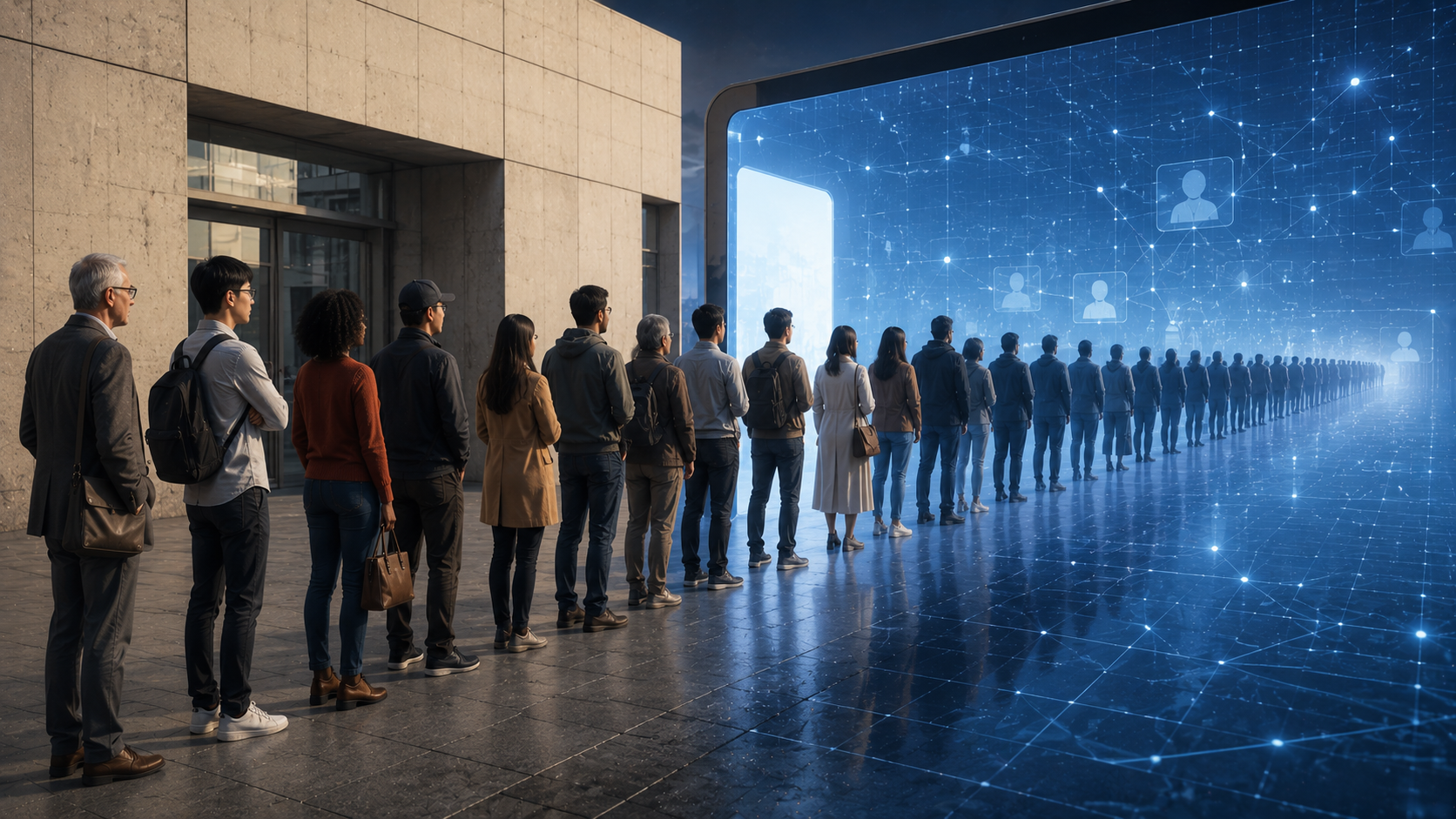
  • The Sociology of Waiting in Line

    The Sociology of Waiting in Line

    Why Do People Willingly Queue?

    Few things seem more ordinary than standing in line.

    At supermarkets, amusement parks, airports, and even online platforms, people spend countless hours waiting for their turn.

    Yet despite the inconvenience, most people accept queues surprisingly willingly.

    Why does waiting in line feel frustrating at times—
    and fair at others?

    1. Why Do We Line Up So Willingly?

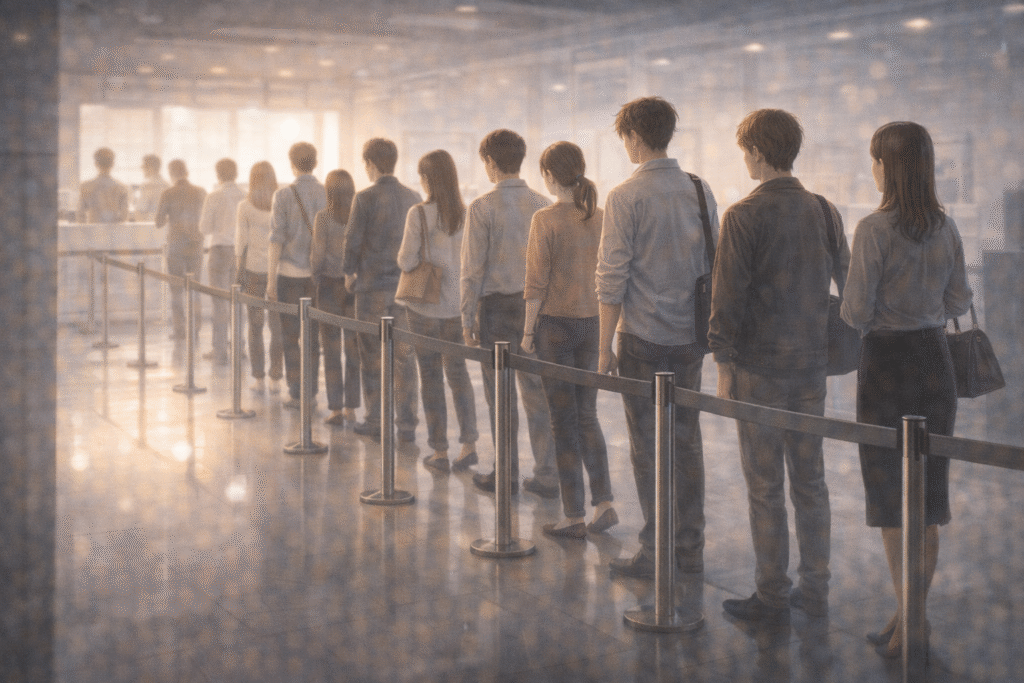
    People standing in line representing fairness and social order

    We stand in lines almost every day, from hospital counters and popular restaurants to online shopping platforms displaying digital waiting numbers.

    At first glance, queues appear to be nothing more than organized inconvenience.
    However, people rarely reject them outright.
    In many situations, they willingly accept waiting because queues carry an important social meaning beyond simple patience.

    At the center of every line lies an expectation of fairness.


    2. Waiting Turns Time into Meaning

    Interestingly, waiting in line does more than organize order—it reshapes experience.

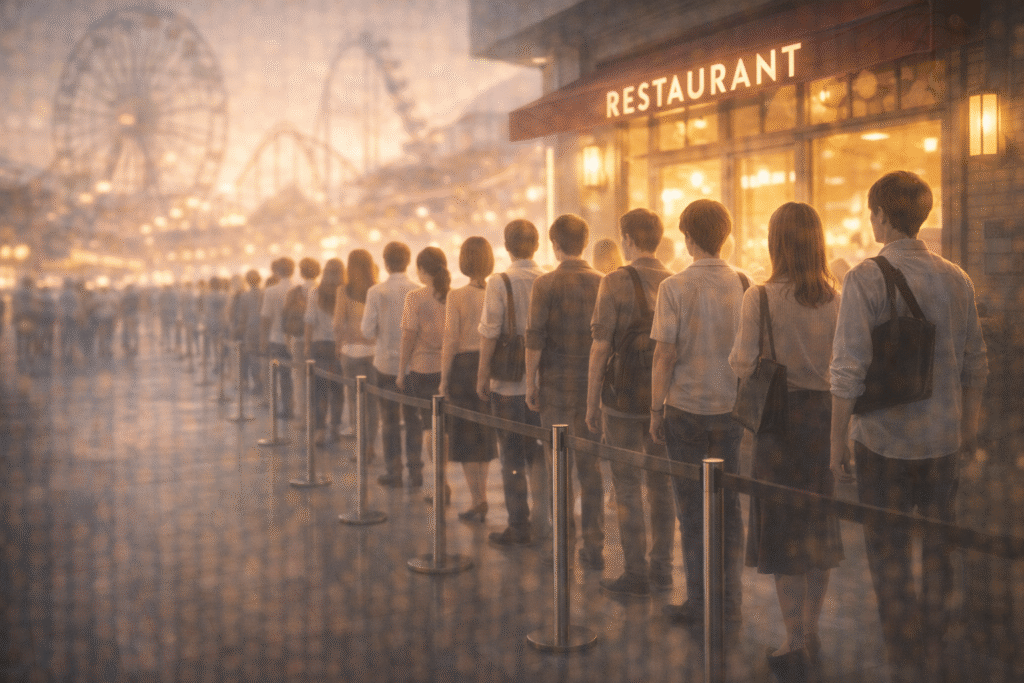
    At amusement parks, waiting two hours for a roller coaster often heightens anticipation.
    People feel that the experience must be more rewarding because they invested time.

    The same applies to long restaurant lines.
    A crowded queue becomes a social signal: this place must be worth it.
    Even ordinary food can feel more valuable when framed by a visible line.

    Long queue outside a popular place signaling value and demand

    3. Lines Create Social Bonds

    Standing in line often produces a subtle sense of solidarity.
    People waiting for the same goal share space, time, and expectation.

    Fans lining up for concert tickets may begin as competitors,
    but often end up feeling like comrades.
    Small conversations, shared complaints, and mutual understanding emerge.

    Lining up is not only about waiting—it is also about belonging.


    4. Lines as Tools of Power and Control

    Despite their appearance of fairness, lines can also function as instruments of power.

    Who controls the line matters.
    VIP lanes, priority access, and exclusive queues immediately reveal inequality.

    Luxury brands deliberately create long lines to increase perceived value.
    Standing in line itself becomes a status symbol—
    a sign of inclusion in a desirable group.

    In these cases, waiting is no longer neutral; it is carefully designed.


    5. Digital Lines in the Online Age

    Lines have not disappeared in digital society—they have simply changed form.

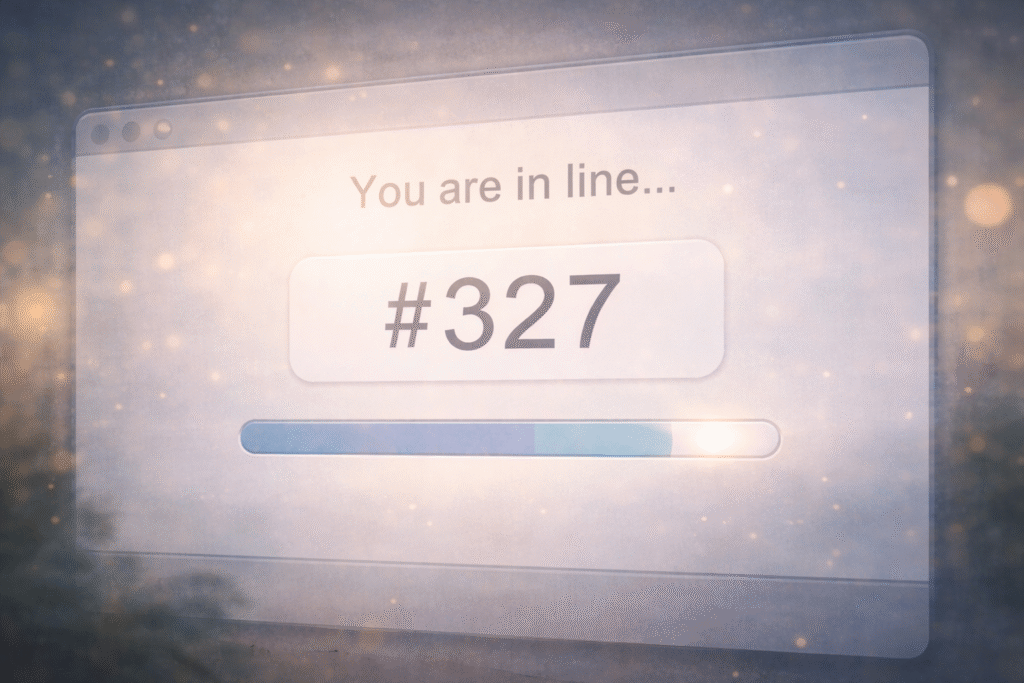
    Online ticket platforms display messages like “You are number 10,524 in line.”
    Video games restrict access with server queues.
    Physical waiting has become virtual waiting.

    Because digital queues are invisible, trust becomes fragile.
    Platforms compensate by showing estimated wait times and live updates,
    attempting to preserve the sense of fairness that physical lines once provided.


    Digital waiting queue on a screen representing online waiting

    Conclusion

    Waiting in line is far more than idle time.

    It is a social mechanism where fairness, expectation, belonging, and power intersect.
    Within the lines we casually join each day,
    the hidden order of society quietly reveals itself.

    A Question for You

    Have you ever accepted a long wait more easily
    simply because the line felt fair?

    Related Reading

    The politics of everyday space and design are examined in The Politics of Empty Space, where minimalism and structure subtly guide collective behavior.

    At a broader social level, the tension between individual freedom and shared order resurfaces in The Minimal State: An Ideal of Liberty or a Neglect of the Common Good?, questioning how fairness is negotiated within structured systems.

    Even simple social systems such as queues depend on shared rules, fairness, and collective trust.
    The broader political meaning of social order is explored in The Minimal State: An Ideal of Liberty or a Neglect of the Common Good?


    References

    1. Mann, L. (1969). Queue Culture: The Waiting Line as a Social System.
      American Journal of Sociology, 75(3), 340–354.
      → A foundational study analyzing queues as structured social systems that sustain order and fairness.
    2. Schweingruber, D., & Berns, N. (2005). Shaping the Social Experience of Waiting.
      Symbolic Interaction, 28(3), 347–367.
      → Examines how theme parks transform waiting into a designed experience of anticipation.
    3. Maister, D. H. (1985). The Psychology of Waiting Lines.
      Harvard Business School Service Notes.
      → Explores how perceived fairness and engagement shape satisfaction during waiting.
  • The Sociology of Selfies

    The Sociology of Selfies

    How Self-Representation and the Desire for Recognition Shape Digital Identity

    A selfie is never just a photograph.

    It is often a carefully chosen moment,
    shared not only to remember—
    but also to be seen.

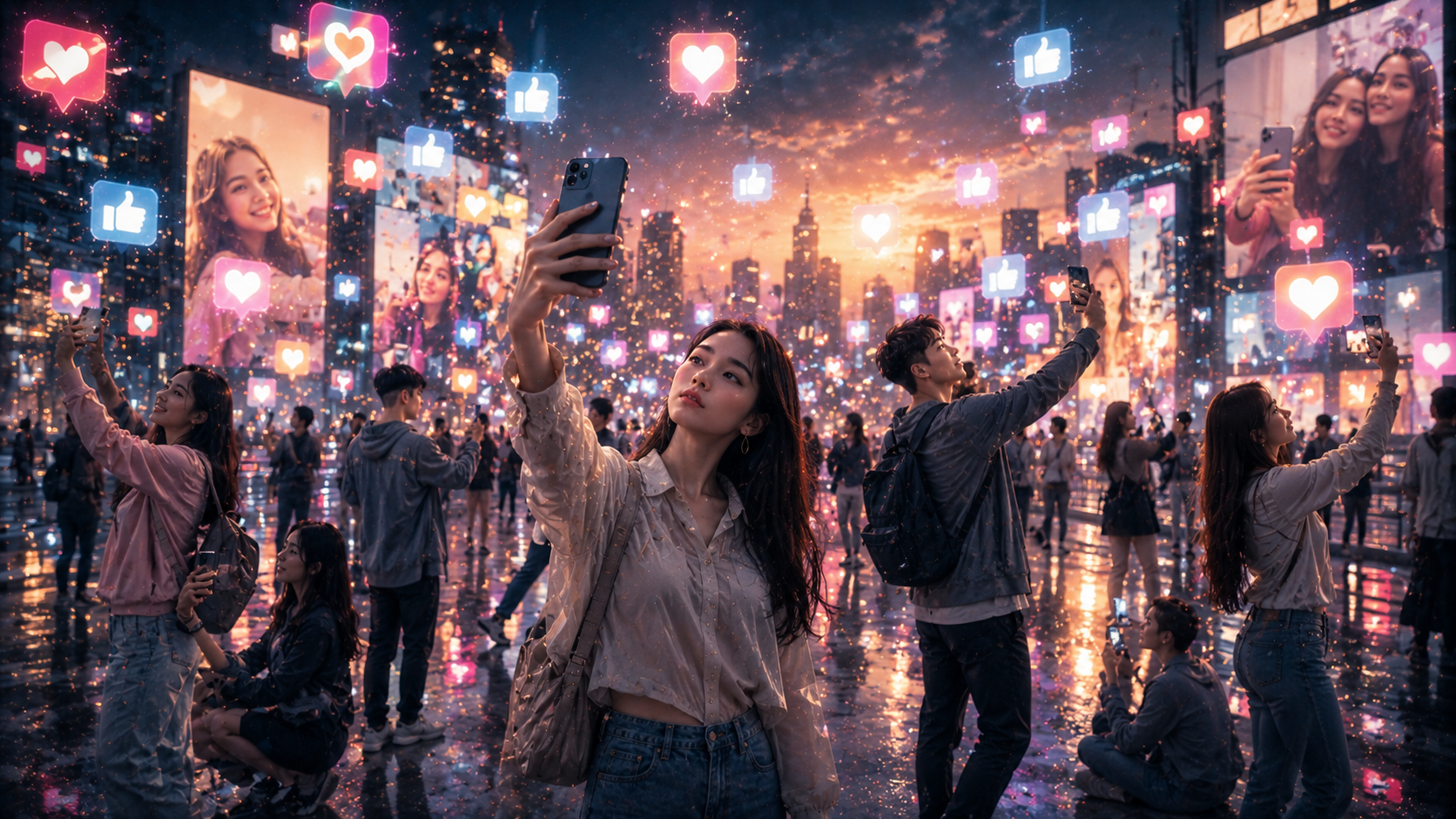
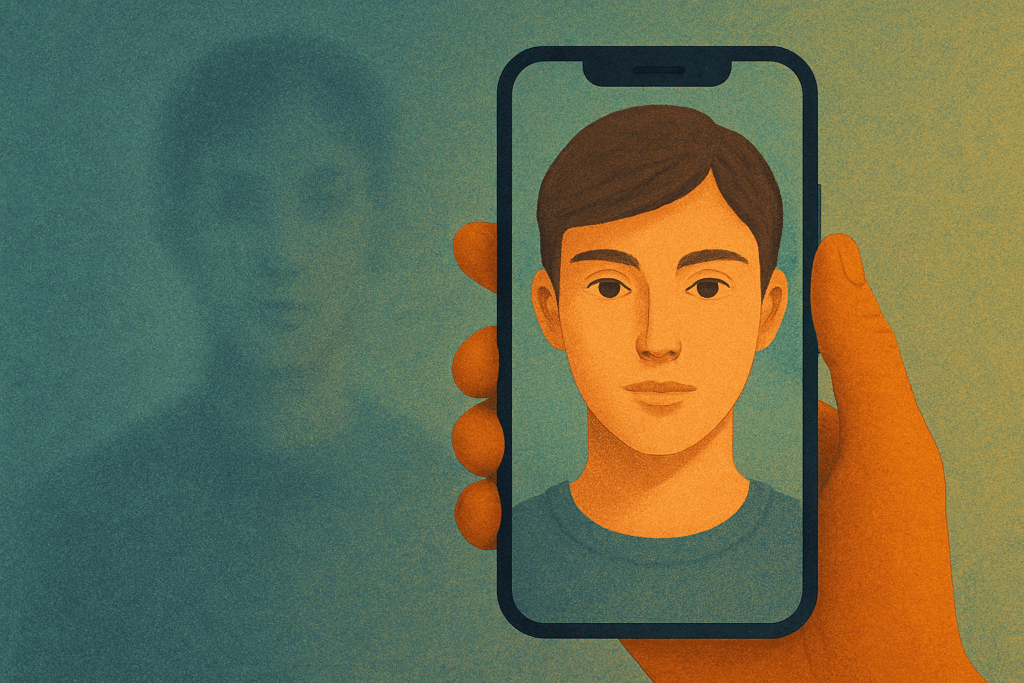
    selfie and digital identity reflection

    1. A Selfie Is Not Just a Photo

    On the subway, in cafés, or while traveling, we instinctively raise our smartphones.
    In the frame, we appear slightly brighter, slightly more confident, slightly more composed.

    A selfie is not merely a record of the self.
    It is a carefully constructed moment shaped by the awareness of being seen.

    Behind this seemingly casual gesture lies a deeper social message—
    a desire for recognition and a question that quietly follows us:
    How do I want to be perceived by others?


    2. Selfies as a Technology of Self-Presentation

    The evolution of smartphone cameras has turned everyday users into curators of their own personal brands.

    Lighting, filters, angles, and backgrounds are not neutral choices.
    They function as symbols that communicate identity.

    A selfie taken against a scenic landscape performs freedom.
    A selfie at a desk performs discipline and diligence.

    In this sense, selfies are not simple records of reality.
    They are acts of self-presentation, or what sociologists describe as a performance of identity.


    3. Recognition and the Social Psychology of “Likes”

    When we upload a selfie, we are not simply waiting for numbers to increase.
    We are waiting for acknowledgment.

    Each “like” operates as a social signal that says, I see you.

    Sociologist Charles Horton Cooley famously described the looking-glass self
    the idea that individuals form their self-image through the imagined reactions of others.

    In the digital age, selfies place this mirror directly onto the smartphone screen.
    As a result, people often begin to prioritize the visible self over the experienced self.

    Self-expression becomes inseparable from social validation,
    and identity turns into a negotiation between who we are and how we are received.

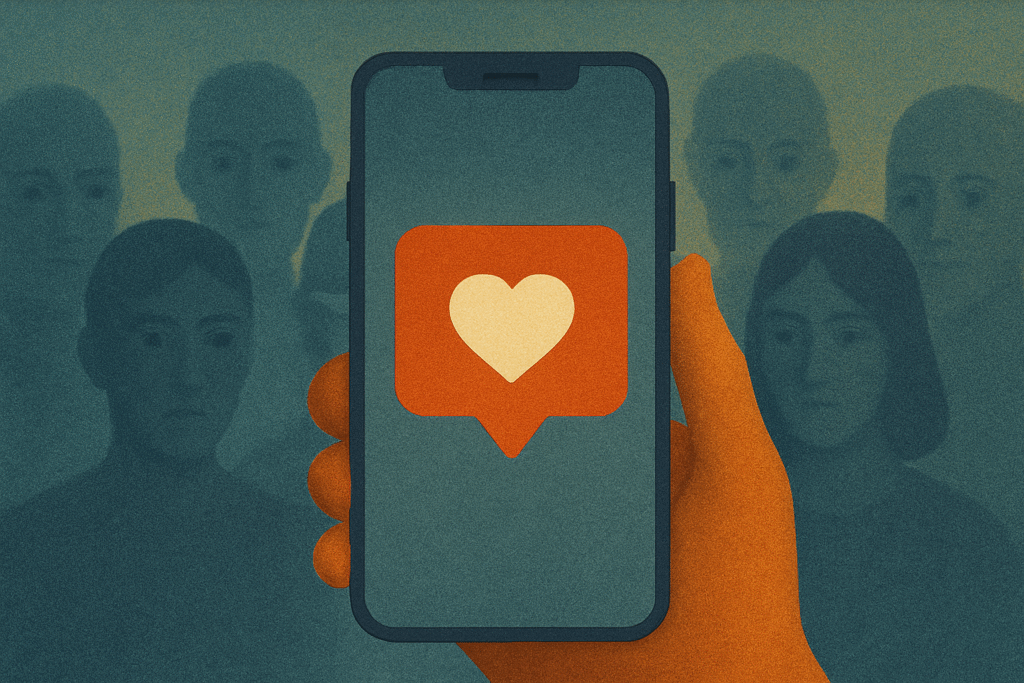
    social media likes and recognition desire

    4. The Paradox of Freedom and Anxiety

    Selfies promise freedom.
    We choose how to present ourselves, when to post, and what to reveal.

    Yet this freedom often coexists with anxiety.

    Filters subtly reflect perceived social expectations.
    Endless streams of perfected faces invite comparison and self-doubt.

    For younger generations especially, selfies can become tools of proof—
    evidence that one is worthy, attractive, or socially accepted.

    Thus, selfie culture exists at the boundary between autonomy and control,
    where self-expression is constantly shaped by imagined audiences.


    5. From the Seen Self to the Lived Self

    Selfies are mirrors of contemporary society.
    They express a human desire to be acknowledged, remembered, and valued.

    But when attention shifts entirely to the seen self,
    there is a risk of losing contact with the lived self.

    Occasionally lowering the camera and stepping outside the frame
    allows space to reconnect with experience beyond representation.

    Only then can selfies transform from instruments of performance
    into tools of self-understanding.

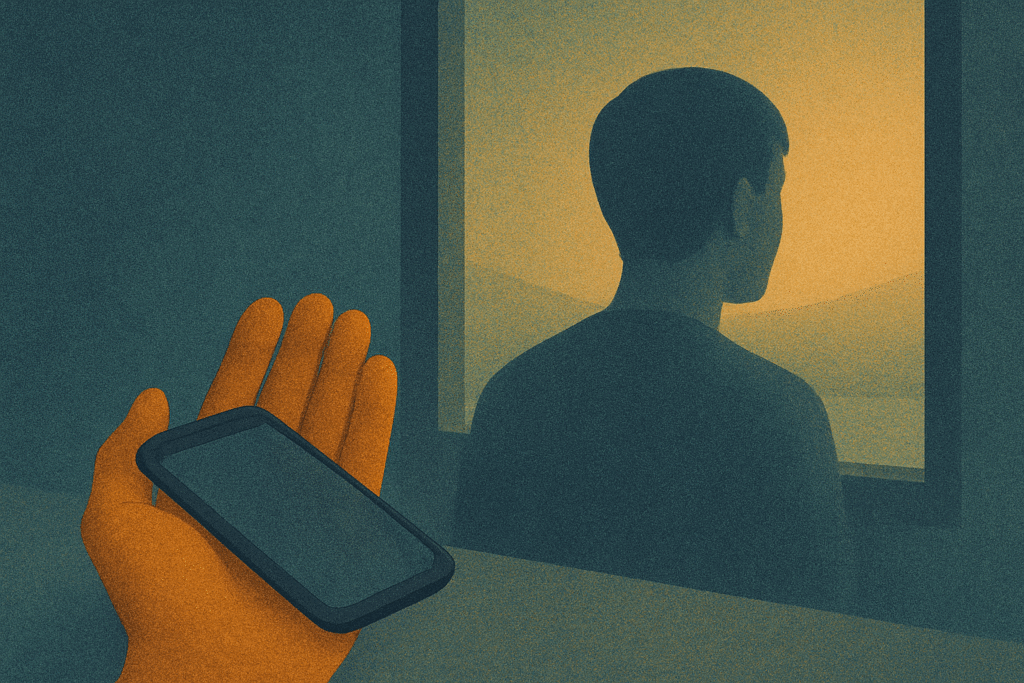
    stepping away from social media reflection

    Conclusion

    Selfies are neither shallow nor inherently harmful.
    They are social languages shaped by recognition, identity, and visibility.

    The challenge is not to abandon selfies,
    but to remain aware of the difference between being seen and truly existing.

    In that awareness, digital self-representation can become
    not a performance for approval,
    but a reflection of a life genuinely lived.

    A Question for You

    When you share a photo online,
    are you expressing yourself—
    or seeking recognition from others?

    Related Reading

    The desire for recognition often begins with small symbolic rewards in childhood.
    Why Is Candy a Symbol of Reward for Children? explores how emotional approval became connected to reward systems long before digital self-presentation emerged.

    The emotional relationship between recognition and self-worth is further explored in The Praise-Driven Society: Recognition and Self-Worth in the Digital Age, where digital approval systems reshape confidence, identity, and emotional dependence.

    The gap between how we see ourselves and how we interpret others is deeply connected to modern self-presentation.
    Why We Excuse Ourselves but Blame Others examines how perspective shapes judgment and misunderstanding.


    References

    Senft, T. M., & Baym, N. K. (2015).
    What Does the Selfie Say? Investigating a Global Phenomenon.
    International Journal of Communication, 9, 1588–1606.
    This study frames selfies as social and communicative acts rather than trivial images, explaining how identity and recognition are negotiated through digital self-representation.

    Goffman, E. (1959).
    The Presentation of Self in Everyday Life.
    New York: Anchor Books.
    Goffman’s theory of social performance provides a foundational framework for understanding selfies as staged expressions of identity in everyday interactions.

    Marwick, A. E. (2013).
    Status Update: Celebrity, Publicity, and Branding in the Social Media Age.
    New Haven, CT: Yale University Press.
    This work explores how social media encourages self-branding and visibility-seeking behaviors, offering crucial insight into recognition economies that shape selfie culture.