The Hidden Class, Aesthetics, and Power Behind Simplicity
Minimalism is often described as a life of simplicity.
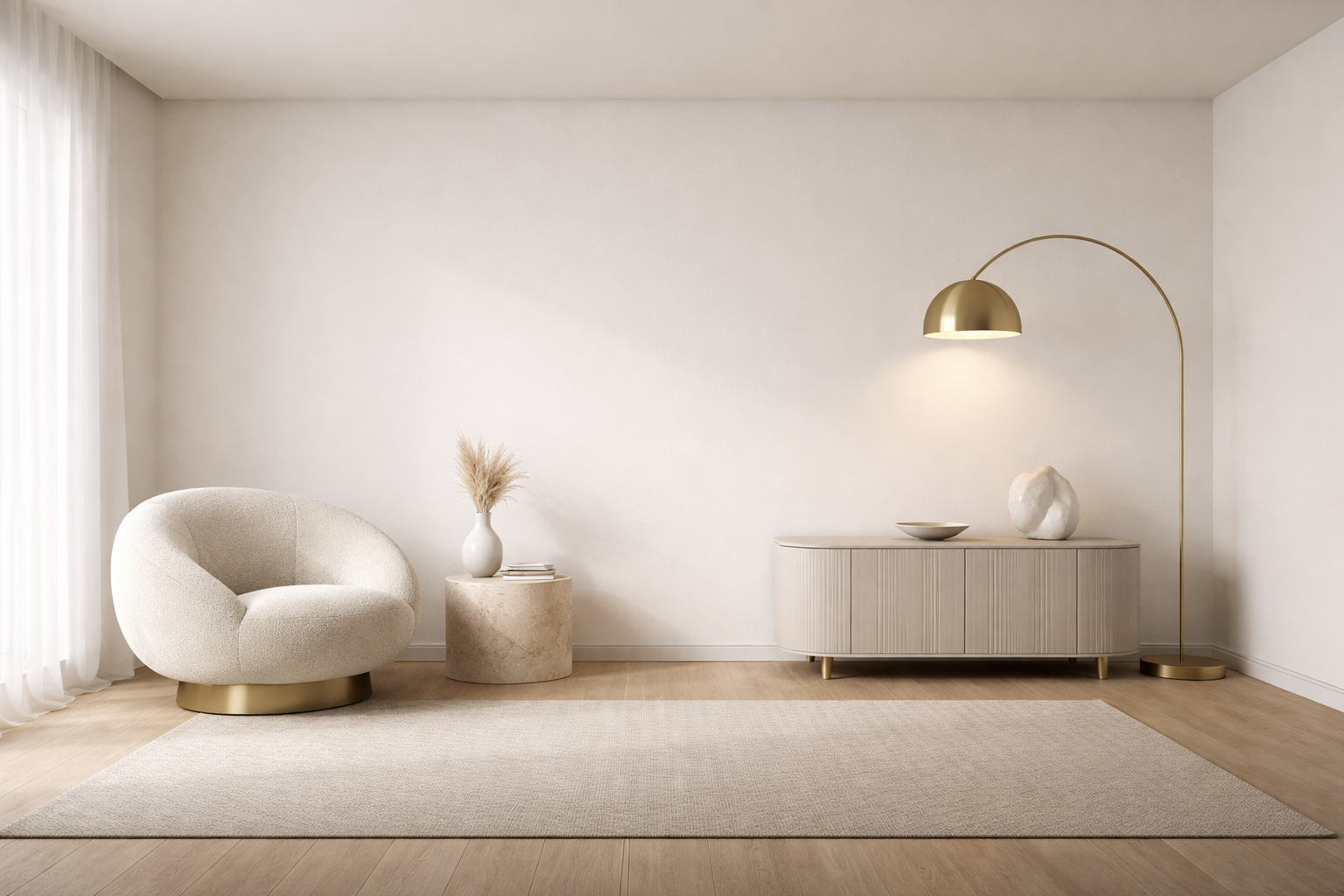
A clean white wall.
An empty desk.
A wardrobe with only a few carefully chosen pieces.
It is a life of reduction —
keeping only what is essential and letting go of the rest.
But here is a deeper question:
Is minimalism truly accessible to everyone?
Or is it, in some ways, a privilege disguised as simplicity?
This raises a deeper question about minimalism and privilege, and whether simplicity is truly accessible to everyone.
1. The Aesthetic of Less

At first glance, minimalism promotes restraint.
It encourages us to:
- remove excess
- focus on essentials
- create clarity in our environment
It appears to be a rejection of consumerism.
However, critics have raised an important question:
Is minimalism truly about “having less,”
or is it about consuming differently?
2. When Simplicity Becomes a Symbol of Status
In many cases, minimalism is not the absence of consumption —
but its transformation.
Consider the following:
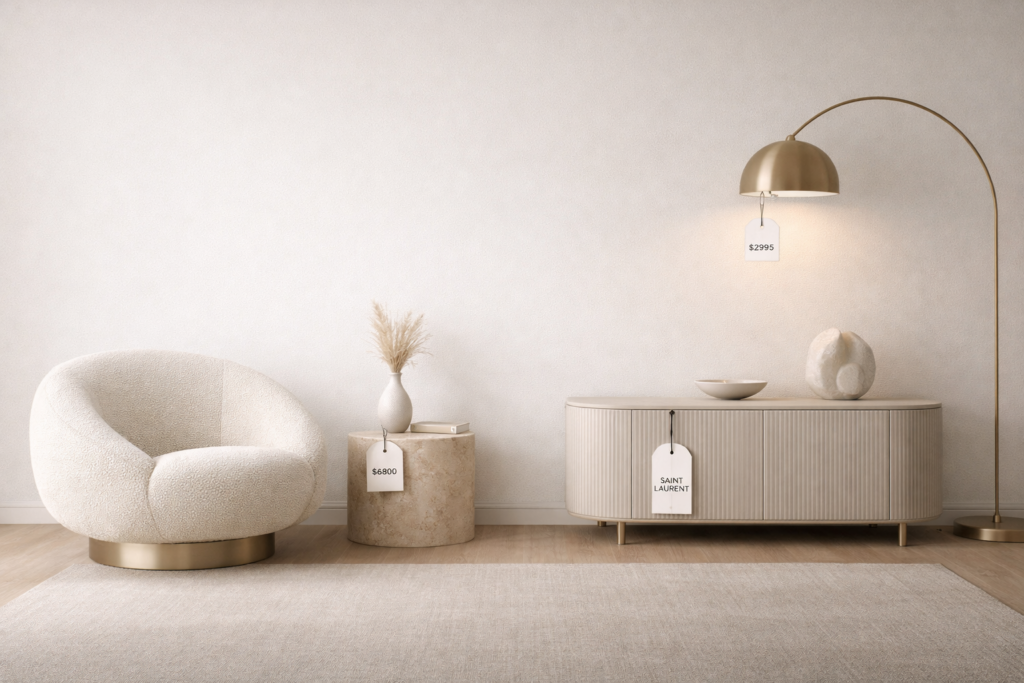
- a nearly empty room, yet furnished with expensive designer pieces
- a wardrobe of only a few items, each from premium brands
- fewer objects, but stronger brand identity
In this context, minimalism becomes a refined form of display.
Not a display of quantity,
but a display of taste, control, and distinction.
3. The Hidden Conditions of “Living with Less”
Living minimally often requires invisible resources:
- time to organize, curate, and maintain simplicity
- financial stability to choose “quality over quantity”
- a secure lifestyle that reduces the need for accumulation
This reveals an important paradox:
Even the act of “having less”
may depend on having enough.
Minimalism, therefore, is not entirely neutral.
It reflects social and economic conditions.
4. Minimalism as Cultural Power
Sociologist Pierre Bourdieu argued that taste is not simply personal.
It is shaped by social class and used to reproduce it.
In this light, minimalism can be understood as a form of cultural capital.
To appear minimal is not to appear lacking,
but to appear deliberate.
Some critics even suggest:
Minimalism looks like the absence of display,
but it is actually a highly sophisticated form of display.
5. A New Ethics — or a Hidden Hierarchy?
Despite these critiques, minimalism still holds value.
It can:
- reduce mental overload
- encourage mindful consumption
- support environmentally conscious living
The key question is not whether minimalism is right or wrong.
It is how we understand it.
Who is it for?
What does it reveal?
And what might it conceal?
6. A Question of Perspective
The moment we begin to ask these questions,
minimalism transforms.
It is no longer just an interior style.
It becomes a philosophical lens
through which we examine society, identity, and value.
Conclusion: Between Emptiness and Meaning
A minimalist life can be beautiful.
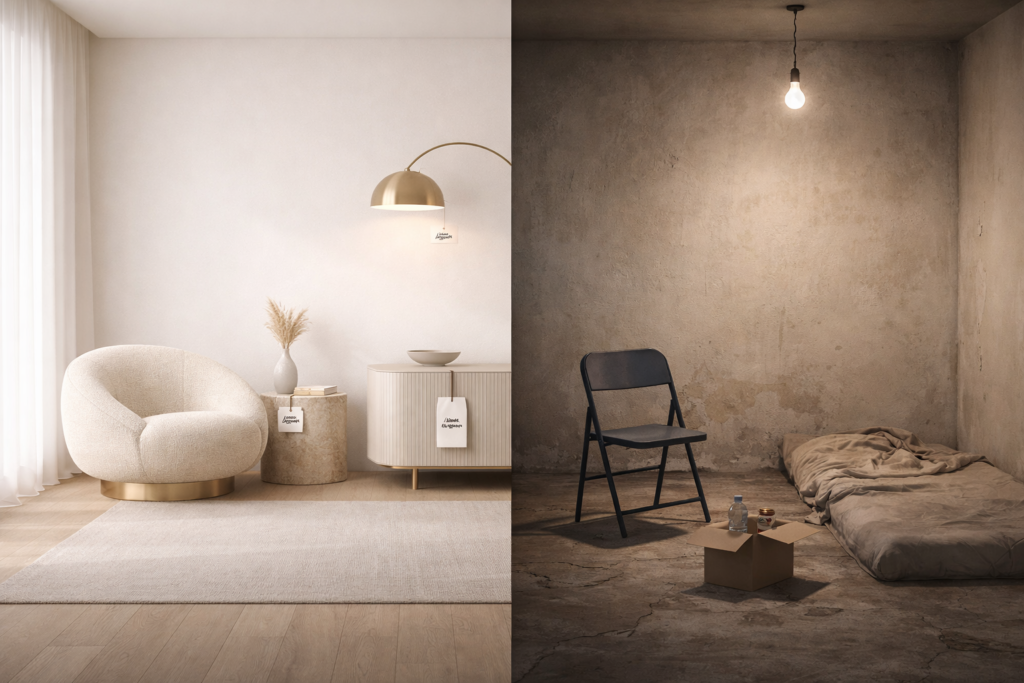
But for some, it is a choice.
For others, it may resemble forced scarcity.
True minimalism may not be about having less.
It may be about seeing more clearly.
Not reducing life,
but focusing on what truly matters.
Question for Readers
When you think about minimalism, do you see it as freedom — or as a form of privilege?
Is choosing less always a personal decision,
or can it reflect deeper social and economic structures?
If simplicity becomes a symbol of status,
what does that say about the society we live in?
Related Reading
The hidden structures behind everyday choices are further explored in Why Do People PWhy Do People Prefer the Right Side Over the Left?refer the Right Side Over the Left?, where unconscious patterns reveal how deeply human behavior is shaped by biological and cultural influences.
At a more introspective level, the emotional weight of decision-making is examined in Why Do We Remember Regret Longer Than Failure?, where the mind’s tendency to revisit alternative possibilities highlights how perception shapes meaning and value.
References
Bourdieu, P. (1984). Distinction: A Social Critique of the Judgement of Taste. Harvard University Press. This foundational work explains how aesthetic preferences function as markers of social class, demonstrating how taste is used to reproduce cultural and economic hierarchies.
Sennett, R. (1998). The Corrosion of Character: The Personal Consequences of Work in the New Capitalism. W. W. Norton. This book explores how modern capitalism reshapes identity and personal values, offering insight into how lifestyle choices like minimalism may reflect deeper economic pressures.
Loos, A. (1998). Ornament and Crime. Ariadne Press. This classic essay traces the philosophical roots of minimalism, linking simplicity with moral and cultural ideals while also revealing its connection to ideas of refinement and superiority.