How Self-Representation and the Desire for Recognition Shape Digital Identity
Introduction: A Selfie Is Not Just a Photo
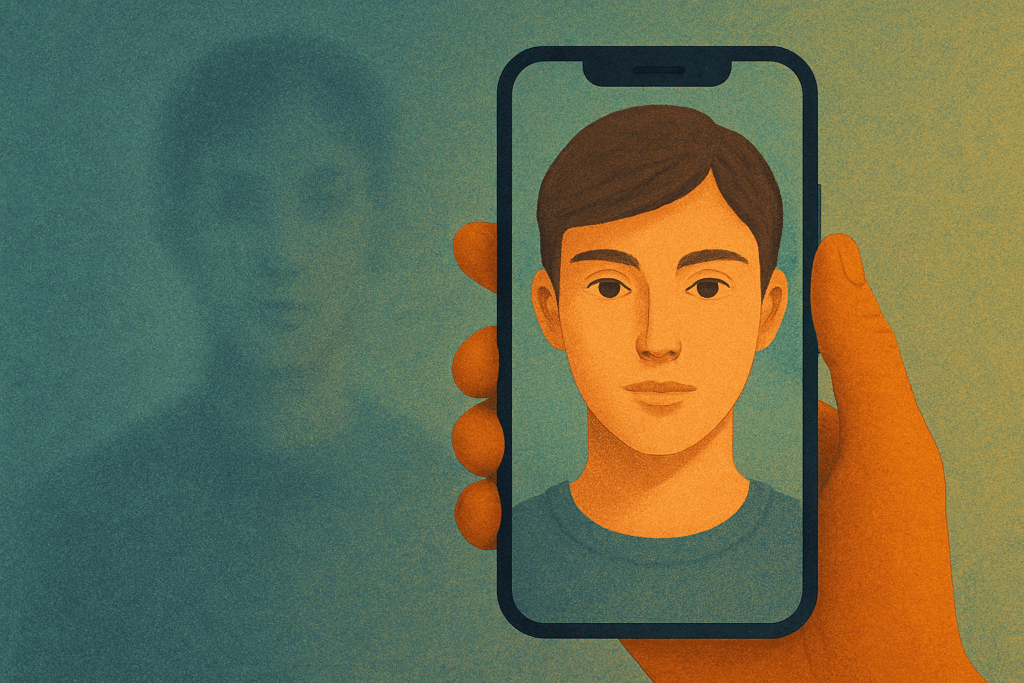
On the subway, in cafés, or while traveling, we instinctively raise our smartphones.
In the frame, we appear slightly brighter, slightly more confident, slightly more composed.
A selfie is not merely a record of the self.
It is a carefully constructed moment shaped by the awareness of being seen.
Behind this seemingly casual gesture lies a deeper social message—
a desire for recognition and a question that quietly follows us:
How do I want to be perceived by others?
Selfies as a Technology of Self-Presentation
The evolution of smartphone cameras has turned everyday users into curators of their own personal brands.
Lighting, filters, angles, and backgrounds are not neutral choices.
They function as symbols that communicate identity.
A selfie taken against a scenic landscape performs freedom.
A selfie at a desk performs discipline and diligence.
In this sense, selfies are not simple records of reality.
They are acts of self-presentation, or what sociologists describe as a performance of identity.
Recognition and the Social Psychology of “Likes”
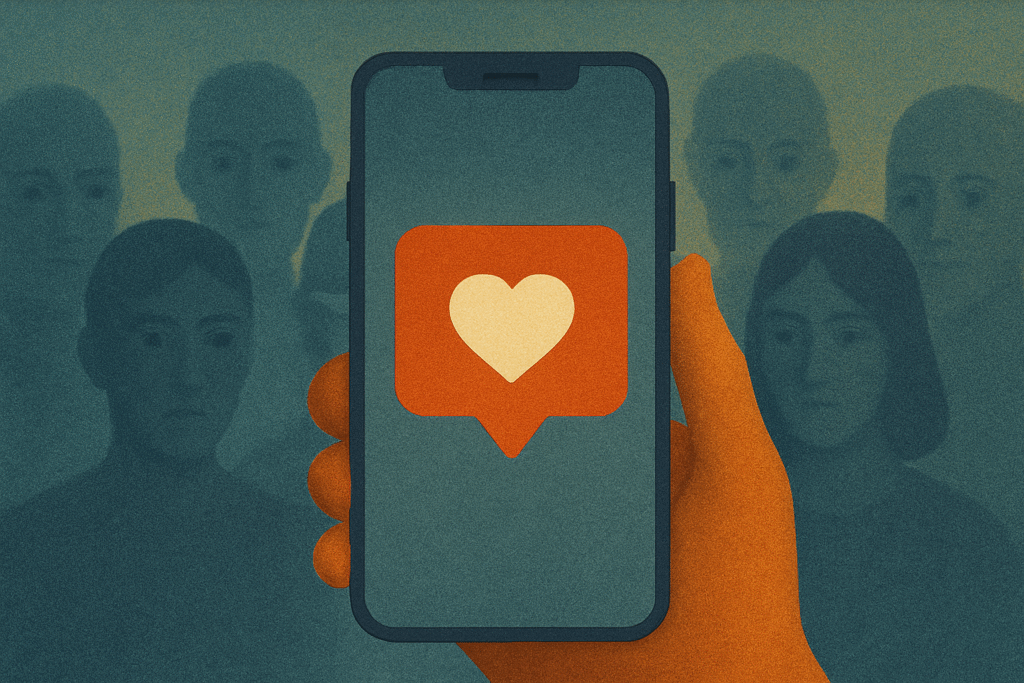
When we upload a selfie, we are not simply waiting for numbers to increase.
We are waiting for acknowledgment.
Each “like” operates as a social signal that says, I see you.
Sociologist Charles Horton Cooley famously described the looking-glass self—
the idea that individuals form their self-image through the imagined reactions of others.
In the digital age, selfies place this mirror directly onto the smartphone screen.
As a result, people often begin to prioritize the visible self over the experienced self.
Self-expression becomes inseparable from social validation,
and identity turns into a negotiation between who we are and how we are received.
The Paradox of Freedom and Anxiety
Selfies promise freedom.
We choose how to present ourselves, when to post, and what to reveal.
Yet this freedom often coexists with anxiety.
Filters subtly reflect perceived social expectations.
Endless streams of perfected faces invite comparison and self-doubt.
For younger generations especially, selfies can become tools of proof—
evidence that one is worthy, attractive, or socially accepted.
Thus, selfie culture exists at the boundary between autonomy and control,
where self-expression is constantly shaped by imagined audiences.
From the Seen Self to the Lived Self
Selfies are mirrors of contemporary society.
They express a human desire to be acknowledged, remembered, and valued.
But when attention shifts entirely to the seen self,
there is a risk of losing contact with the lived self.
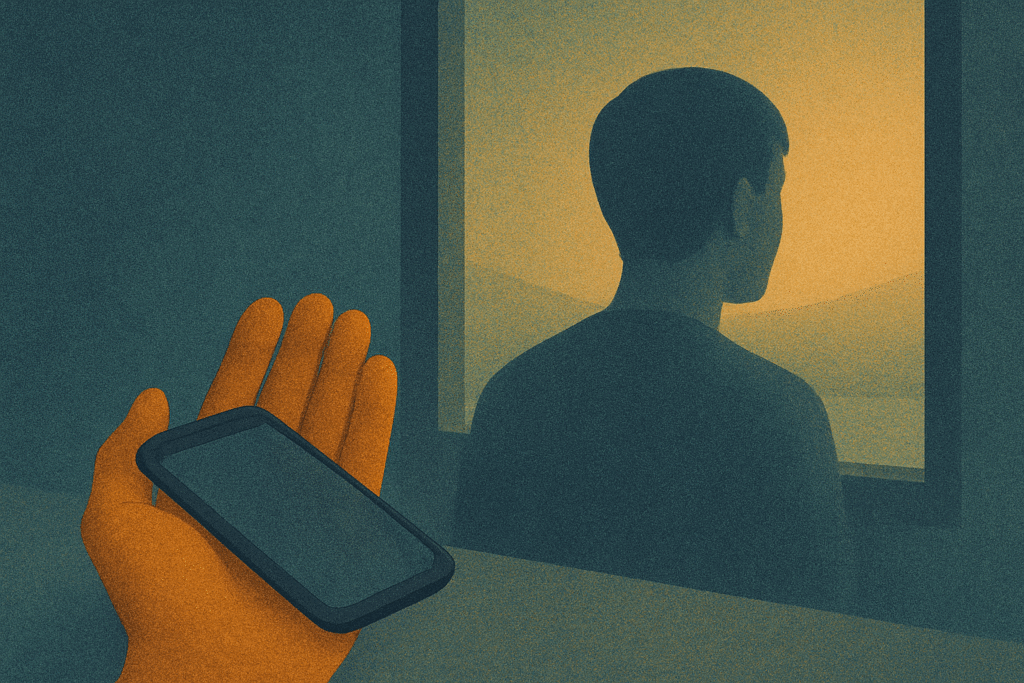
Occasionally lowering the camera and stepping outside the frame
allows space to reconnect with experience beyond representation.
Only then can selfies transform from instruments of performance
into tools of self-understanding.
Conclusion
Selfies are neither shallow nor inherently harmful.
They are social languages shaped by recognition, identity, and visibility.
The challenge is not to abandon selfies,
but to remain aware of the difference between being seen and truly existing.
In that awareness, digital self-representation can become
not a performance for approval,
but a reflection of a life genuinely lived.
📚 References
Senft, T. M., & Baym, N. K. (2015).
What Does the Selfie Say? Investigating a Global Phenomenon.
International Journal of Communication, 9, 1588–1606.
This study frames selfies as social and communicative acts rather than trivial images, explaining how identity and recognition are negotiated through digital self-representation.
Goffman, E. (1959).
The Presentation of Self in Everyday Life.
New York: Anchor Books.
Goffman’s theory of social performance provides a foundational framework for understanding selfies as staged expressions of identity in everyday interactions.
Marwick, A. E. (2013).
Status Update: Celebrity, Publicity, and Branding in the Social Media Age.
New Haven, CT: Yale University Press.
This work explores how social media encourages self-branding and visibility-seeking behaviors, offering crucial insight into recognition economies that shape selfie culture.