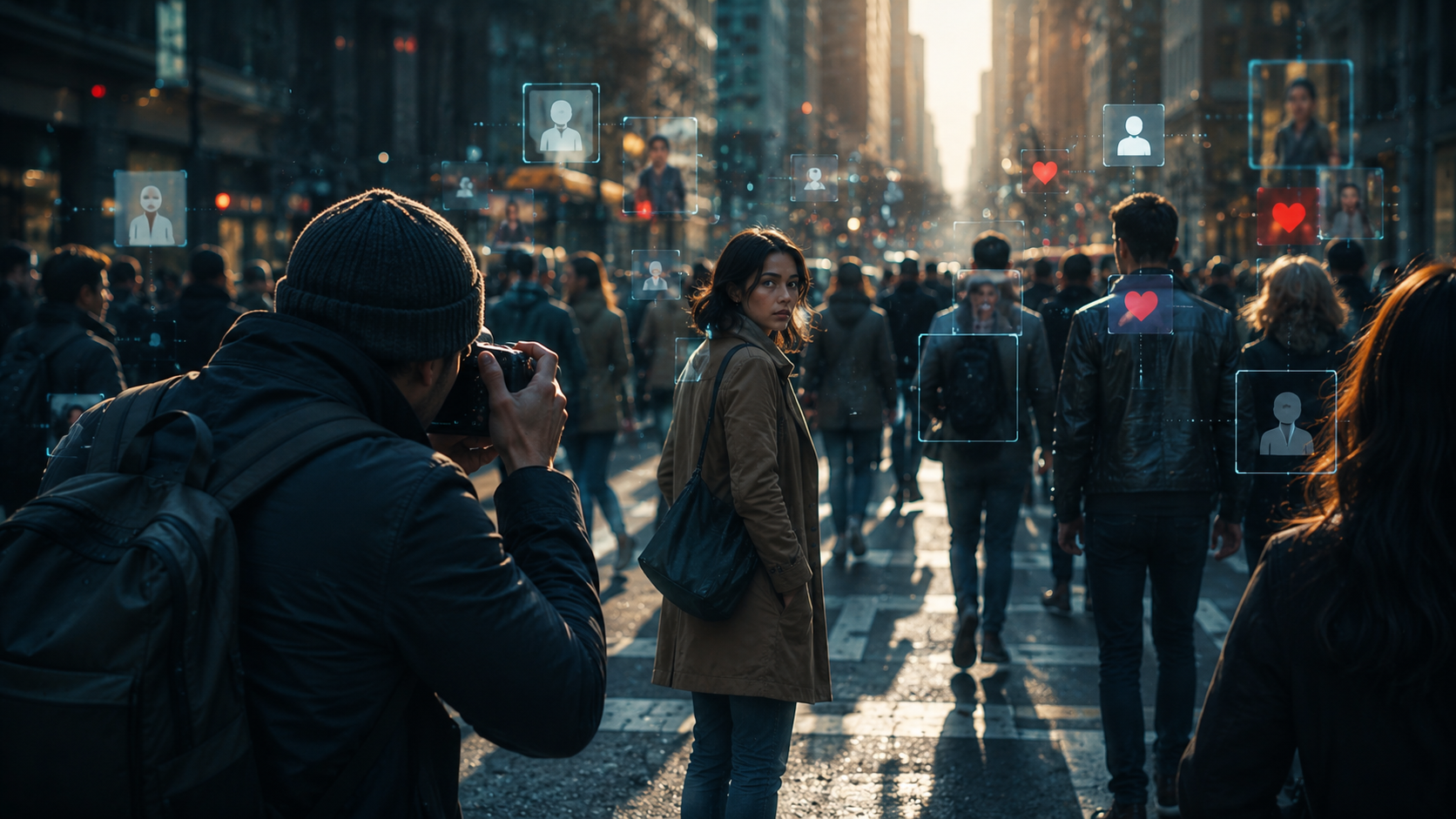
How Street Photography, Social Media, and Digital Culture Are Redefining Privacy in Public Spaces
The famous street photographer Henri Cartier-Bresson once described photography as the art of capturing “the decisive moment.” His philosophy emphasized spontaneity, movement, and authentic human expression. In traditional street photography, people were often photographed naturally without staged poses or formal consent.
However, the digital age has transformed the meaning of photography.
Today, a single image taken in public can spread across social media within minutes, attracting millions of views and permanently shaping someone’s online identity. A photograph that once existed as artistic documentation may now become viral content, public entertainment, or even a source of harassment.
This creates a difficult question:
If a photographer captures someone in a public space without permission, who ultimately owns that image—the subject or the photographer?
The answer lies within one of the most complex ethical tensions of the digital era:
the conflict between portrait rights and freedom of expression.
1. Portrait Rights and Freedom of Photography
What Are Portrait Rights?
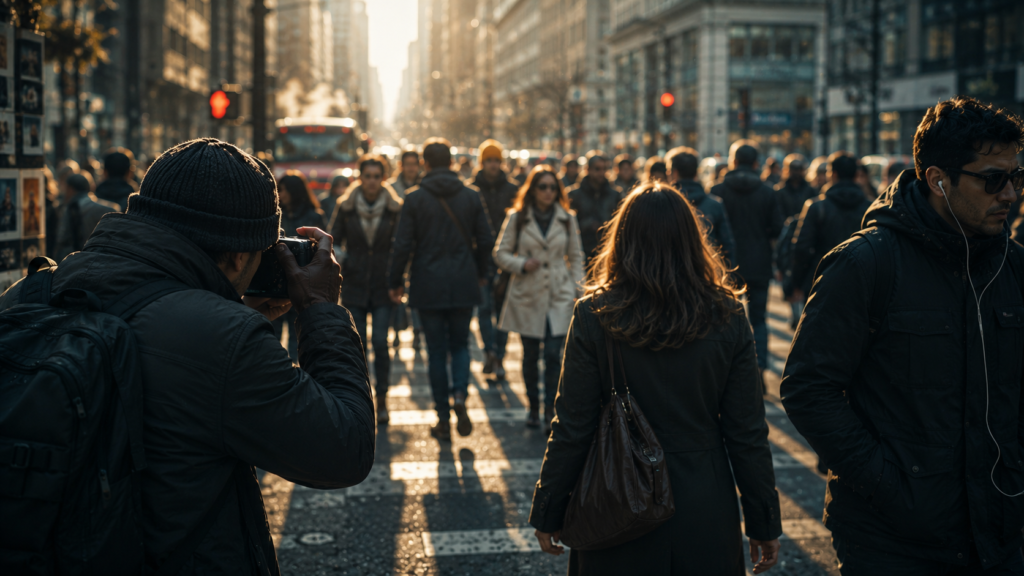
In modern society, nearly everyone carries a smartphone capable of taking and sharing photographs instantly. Because of this, questions surrounding privacy and image ownership have become increasingly important.
Portrait rights generally refer to an individual’s right to control how their face, body, or recognizable appearance is photographed, used, or distributed. These rights are closely connected to personal dignity, privacy, and autonomy.
At the same time, photography itself is often protected as a form of artistic expression and free speech. Photographers argue that public spaces are essential environments for documenting society, culture, and human life.
Street photography in particular has historically served as a visual record of everyday reality. Many iconic photographs that shaped public memory were taken spontaneously in public places without formal permission.
This is where the tension begins.
Why Public Spaces Create Legal and Ethical Gray Areas
In many countries, photographing people in public spaces is generally legal. However, legal permission to take a photograph does not always mean unlimited freedom to distribute or commercialize it.
The distinction between:
- taking a photograph
and - publishing or profiting from it
often determines whether legal or ethical conflicts arise.
For example, a person photographed on the street may later become the target of unwanted online attention if the image spreads widely on social media. Even if the original photograph was taken legally, the consequences for the subject may still be harmful.
As a result, modern debates about photography increasingly focus not only on legality, but also on consent, dignity, and digital responsibility.
2. Different Countries Approach Portrait Rights Differently
The United States and Freedom of Expression
In the United States, public photography is generally protected under freedom of expression laws. Photographers are usually allowed to photograph people in public spaces without explicit permission.
However, legal restrictions become stronger when photographs are used for commercial purposes such as advertising or product promotion. In these cases, subjects may claim violations of publicity or privacy rights.
American law therefore tends to prioritize artistic and journalistic freedom while placing limits on commercial exploitation.
France and Stronger Privacy Protections
France is known for stronger protections of personal image rights.
French courts often place greater emphasis on individual dignity and privacy, even in public settings. Publishing identifiable images without consent can sometimes lead to legal disputes, particularly if the subject experiences reputational or emotional harm.
This reflects a broader European tradition that views personal privacy as a fundamental human right.
South Korea and Digital Reputation Concerns
In South Korea, public photography is generally allowed, but online distribution may become problematic if it damages someone’s reputation or invades personal privacy.
Because digital culture in Korea is highly networked and fast-moving, unauthorized images can spread rapidly through online communities and social media platforms. This has increased public sensitivity toward portrait rights and digital ethics.
As a result, legal debates increasingly involve not only privacy itself, but also online humiliation, cyberbullying, and reputational harm.
3. Portrait Rights vs. Freedom of Expression
The Argument for Privacy and Consent
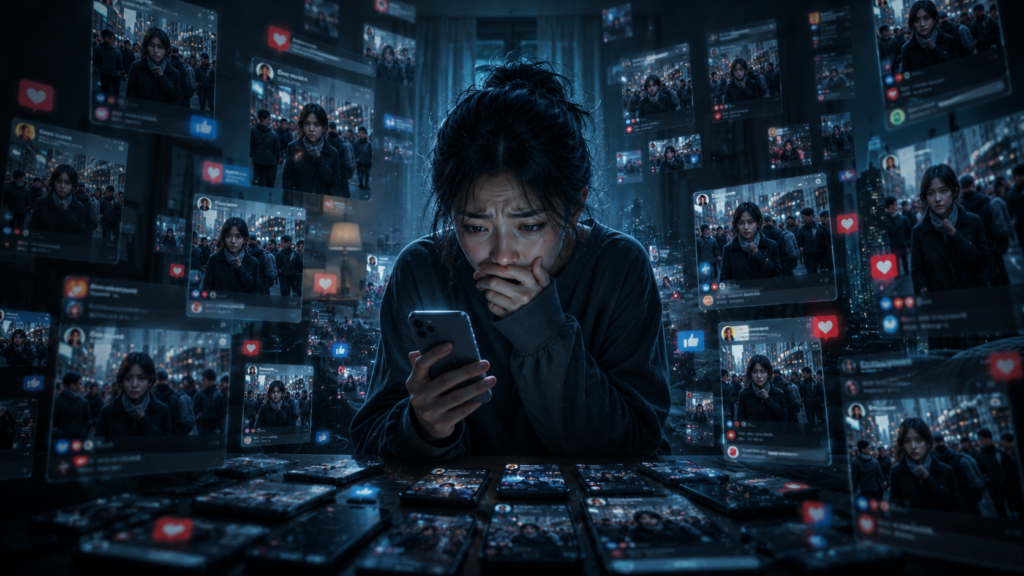
Supporters of stronger portrait rights argue that individuals should maintain control over how their appearance is used in digital environments.
They emphasize that:
- online exposure can become permanent
- viral images may cause psychological harm
- and individuals often lose control over their identity once photographs spread online
From this perspective, even public spaces should not eliminate basic expectations of dignity and consent.
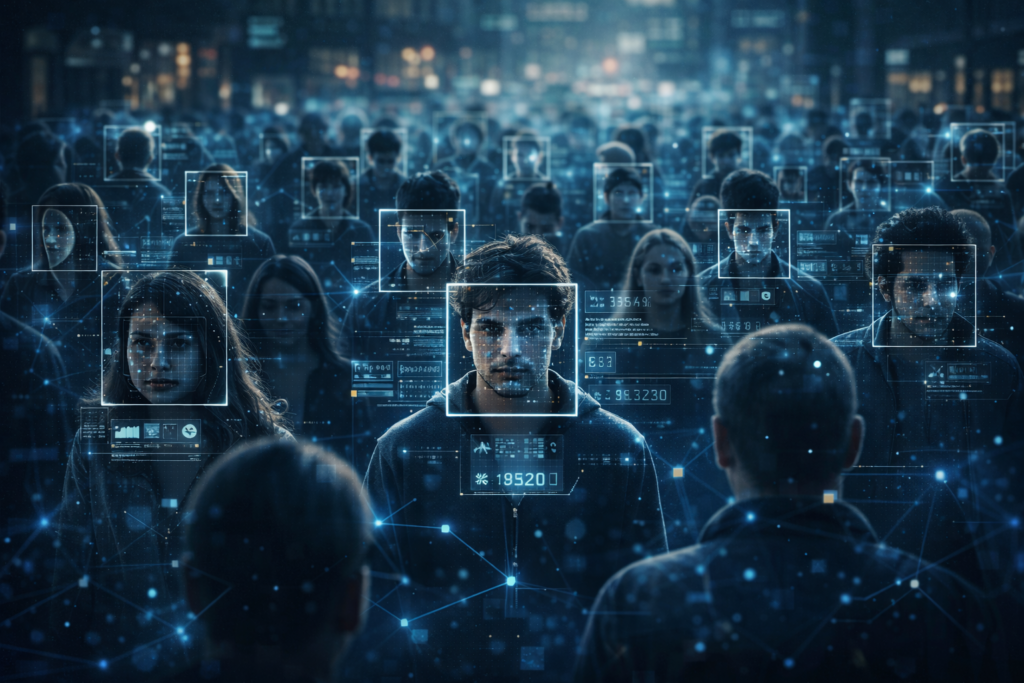
Critics also point out that social media platforms amplify photographs far beyond their original context. An image intended as artistic documentation can quickly become entertainment, ridicule, or mass surveillance.
The Argument for Artistic and Documentary Freedom
On the other hand, photographers and journalists argue that excessive restrictions on public photography may threaten artistic freedom and public documentation.
Street photography has historically captured:
- political movements
- urban life
- social inequality
- protests
- and cultural change
Many iconic historical photographs were taken spontaneously without formal consent.
Supporters of photographic freedom therefore argue that public life itself must remain photographable if societies wish to preserve journalism, documentary work, and artistic expression.
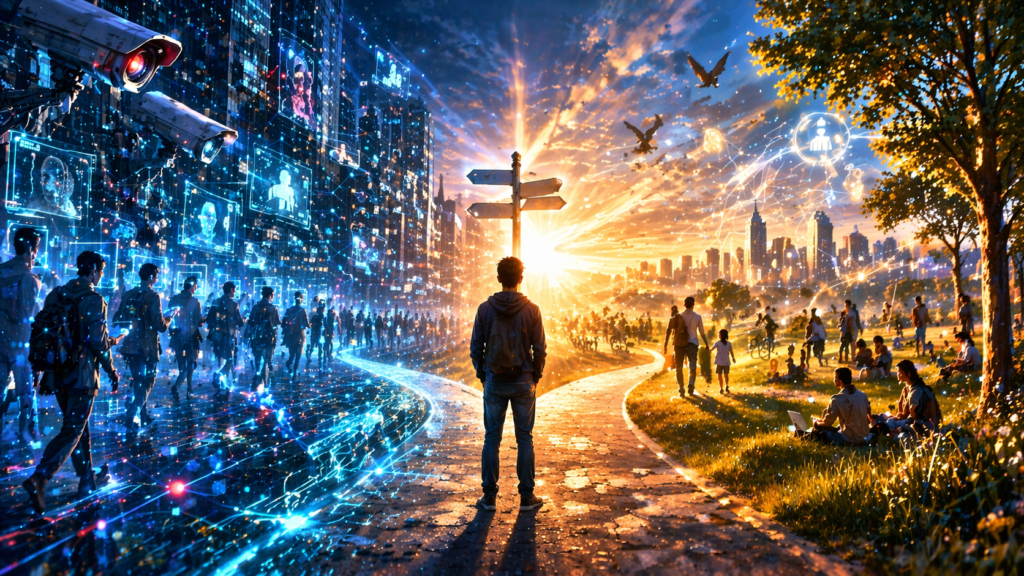
The challenge lies in finding a balance between protecting human dignity and preserving creative freedom.
4. The Digital Age Changes Everything
Social Media and the Loss of Context
The rise of social media has dramatically intensified these debates.
In the past, a photograph taken in public might appear only in a gallery, newspaper, or printed collection. Today, however, images can circulate globally within seconds.
Digital platforms remove context from photographs. A moment captured artistically may later be interpreted mockingly, politically, or aggressively by online audiences.
As a result, photographers today carry not only artistic responsibility, but also ethical responsibility for how images may function in unpredictable digital environments.
The Growing Importance of Ethical Photography
Because of these risks, many photographers now emphasize ethical practices alongside legal rights.
Some common approaches include:
- requesting consent whenever possible
- avoiding humiliating or vulnerable subjects
- blurring identifiable faces in sensitive situations
- and considering the long-term impact of online publication
These practices recognize that legality alone does not always resolve ethical concerns.
In the digital age, responsible photography increasingly depends on empathy as much as artistic freedom.
Conclusion: Who Owns the Public Image?
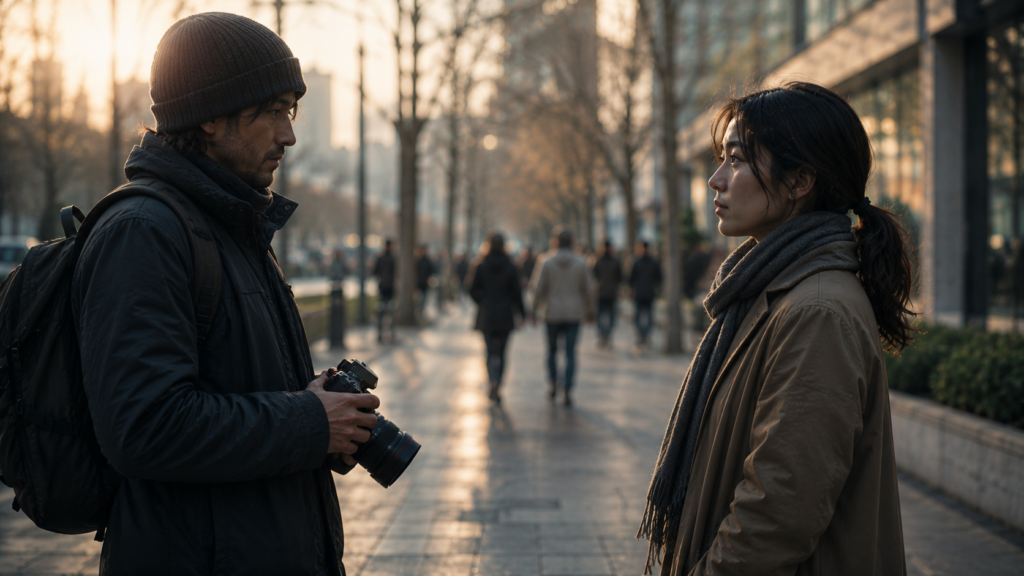
Photography has always existed between art, documentation, and human observation. Public spaces naturally create opportunities for spontaneous visual storytelling, and freedom of photography remains an important part of democratic and artistic culture.
At the same time, however, digital technology has changed the scale and permanence of image distribution. A photograph is no longer simply a moment frozen in time. It can become part of someone’s lifelong digital identity.
This is why modern societies continue struggling to balance two important values:
- the freedom to document public life
and - the right to personal dignity and privacy
Ultimately, the debate over portrait rights is not only about law. It is about how humans choose to see—and respect—one another in an age where every image can travel infinitely.
Perhaps the most important question is no longer:
“Can we photograph people in public?”
But rather:
How should we ethically treat the people we photograph once those images enter the digital world?
Reader Question
Do people lose part of their freedom when every public moment can be photographed and shared online?
Related Reading
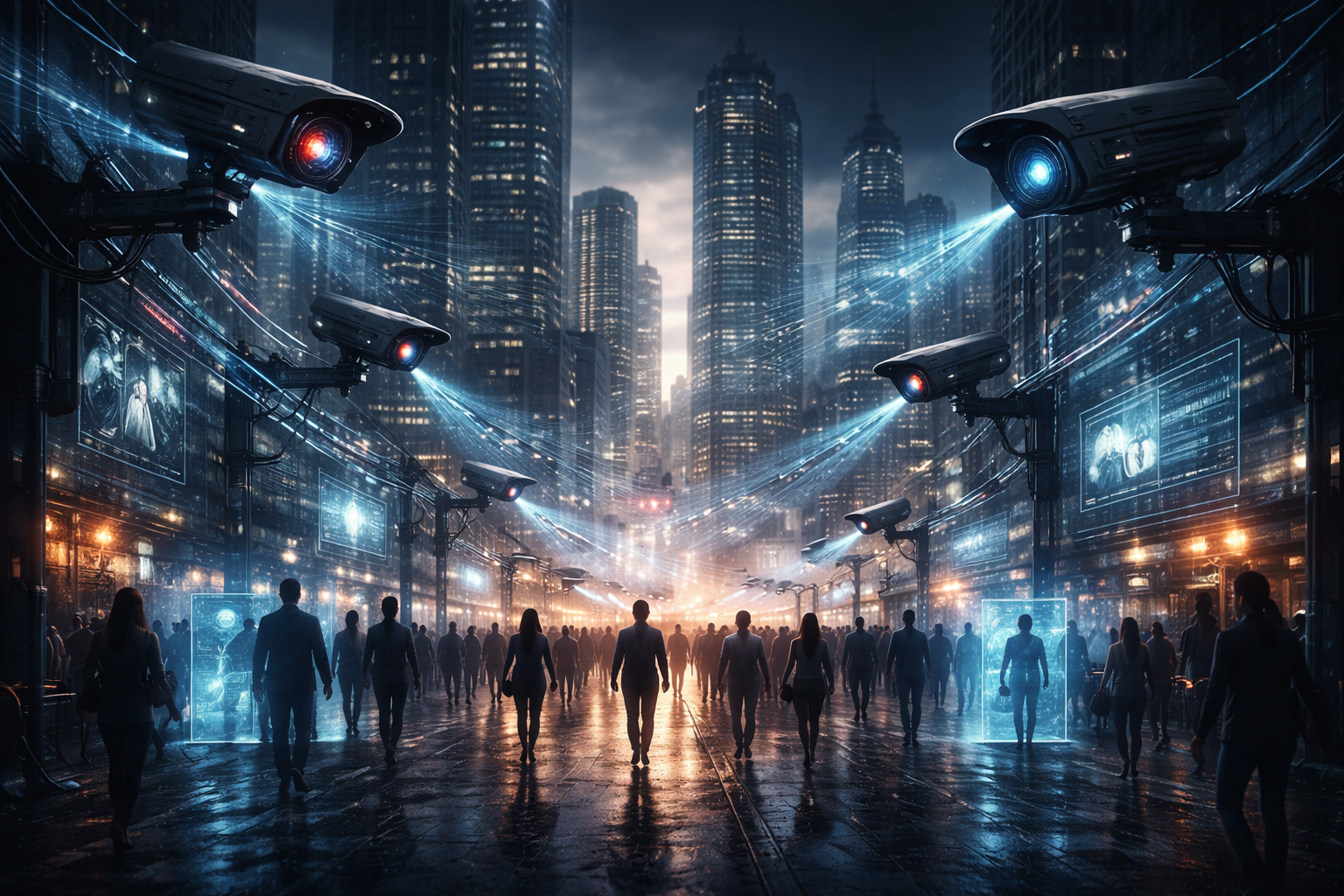
If modern society increasingly records and monitors everyday life through smartphones, cameras, and digital platforms, how much privacy can individuals realistically expect in public spaces?
In How Much Surveillance Is Too Much?, we explore how surveillance technologies are reshaping freedom, privacy, and human behavior in modern society.
If digital memory allows images and personal information to remain online indefinitely, should individuals have the right to control or erase their public image over time?
In In a World Where Everything Is Recorded, Is Forgetting a Sin—or a Right?, we examine how digital permanence is changing memory, identity, privacy, and the ethics of online exposure.
References
- The Right to Privacy by Samuel D. Warren and Louis D. Brandeis
This foundational legal article established early concepts of privacy rights and continues to influence modern discussions about portrait rights and personal dignity. - Clive N. Davies. Street Photography and the Right to Privacy: A Comparative Study.
This study compares how different legal systems balance street photography with individual privacy protections. - Emily R. Thompson. Public Places, Private Faces: The Regulation of Street Photography.
Thompson explores the legal and ethical tensions between public photography and personal image rights. - Privacy and Freedom by Alan F. Westin
This influential work examines the importance of privacy in modern democratic societies. - The Photographer’s Right by Bert P. Krages II
This legal guide explains photographers’ rights and limitations in public spaces.