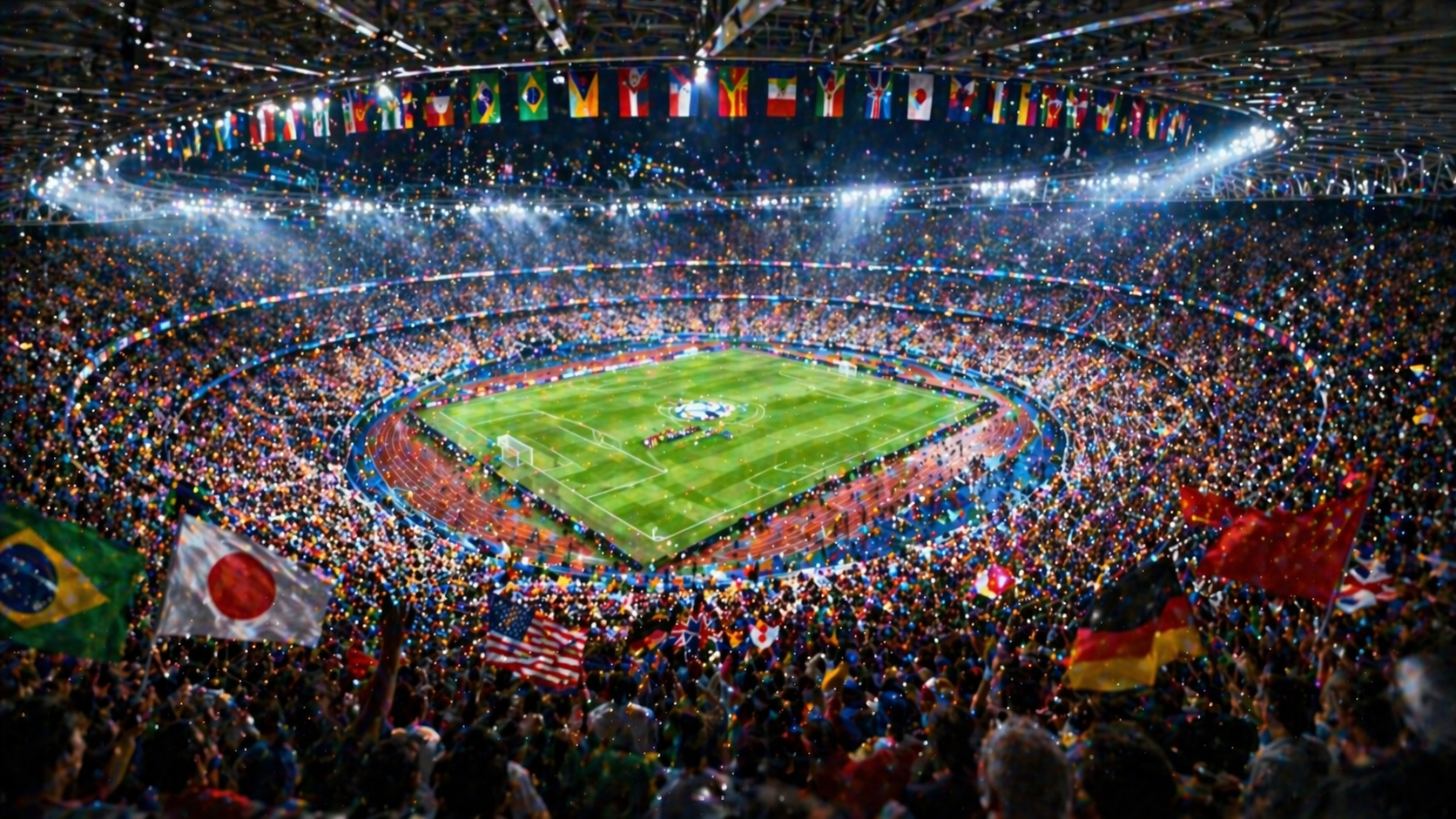
What does it really mean to host the world?
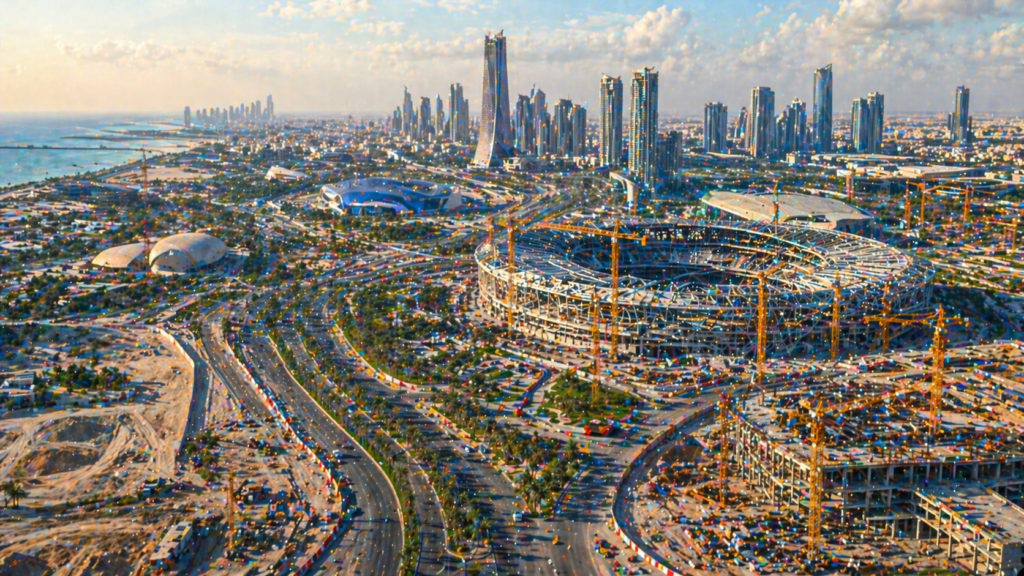
From the Olympics to the FIFA World Cup,
mega-sport events are among the most visible global spectacles.
They promise prestige, growth, and unity—
but often come with hidden costs and long-term consequences.
As cities compete to host these events,
a deeper question emerges:
Are these events opportunities for progress—
or burdens in disguise?
1. The Promise: Why Countries Want to Host
1.1. Economic Boost and Tourism
Mega-events attract millions of visitors.
Hotels, restaurants, transport, and retail industries
often experience significant short-term growth.
Events like the FIFA World Cup
can inject billions into the host economy.
1.2. Global Visibility and National Branding
Hosting a global event places a country
at the center of international attention.
The 1988 Seoul Olympics and the 2008 Beijing Olympics
helped redefine national identity on the global stage.
These events are not just competitions—
they are narratives about national progress.
1.3. Infrastructure Development
Large-scale events often accelerate development:
- Stadiums
- Transportation systems
- Urban renewal projects
These improvements can reshape cities for decades.
2. The Cost: Hidden Challenges and Risks
2.1. Massive Financial Burden
Hosting costs can reach tens of billions of dollars.
Many cities struggle to recover investments.
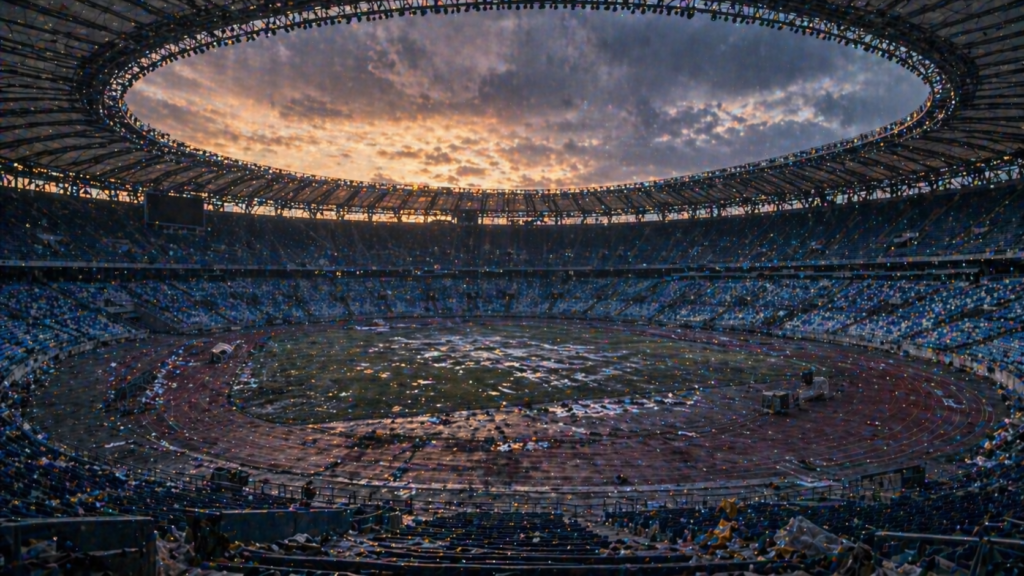
The 2016 Rio Olympics left behind unused facilities—
a symbol of “white elephant” infrastructure.
2.2. Environmental Impact
Mega-events require large-scale construction
and increased energy consumption.
Deforestation, carbon emissions, and waste
have become major concerns.
This has led to the rise of “green Olympics” initiatives.
2.3. Social Tension and Displacement
Urban redevelopment can lead to:
- Displacement of local communities
- Rising living costs
- Public resistance
Not all citizens benefit equally
from these global events.
3. A New Model: Rethinking How Events Are Hosted
3.1. Multi-Country Hosting
The 2030 FIFA World Cup
will be co-hosted by Spain, Portugal, and Morocco.
This model distributes costs and infrastructure demands.
It also reflects a shift toward cooperation
rather than competition.
3.2. Smart Technology Integration
Modern events now include:
- AI-based stadium management
- Digital ticketing systems
- VR and remote viewing experiences
Technology is transforming not only how events are managed—
but how they are experienced.
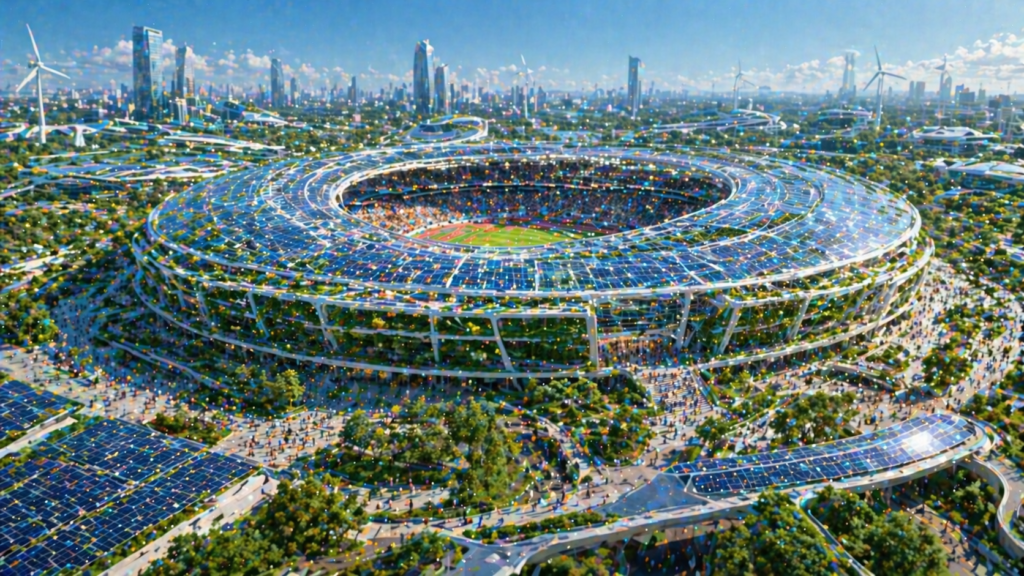
3.3. Sustainability as a Core Principle
Recent events focus on:
- Carbon reduction
- Renewable energy
- Reuse of existing venues
The 2028 Los Angeles Olympics
aims to minimize new construction entirely.
4. The Future of Mega-Sport Events
4.1. Shared Hosting Will Expand
More countries will collaborate
to reduce financial risk.
4.2. Digital Experience Will Grow
Fans may increasingly experience events:
- Online
- In virtual spaces
- Through immersive technologies
4.3. Sustainability Will Be Mandatory
Future events will be judged not only by success—
but by environmental responsibility.
Conclusion
Mega-sport events are no longer just about sport.
They are about identity, economy, technology,
and the future of global cooperation.
The real challenge is not whether to host—
but how to host responsibly.
So the next time a city celebrates winning a bid,
we might ask:
Who truly benefits from hosting the world?
Question for Readers
Do global sports events truly benefit societies—or do they serve a select few behind the scenes?
Related Reading
When global events promise unity, are they truly inclusive—or do they deepen inequality beneath the surface?
In Are Cities Symbols of Progress—or Spaces of Inequality?, we explore how large-scale development projects can both elevate and divide societies, revealing the hidden social dynamics behind global progress.
If participation becomes easier in the digital age, does it also become more superficial?
In Clicktivism in Digital Democracy: Participation or Illusion?, we examine how modern engagement—much like global sports fandom—can blur the line between genuine involvement and symbolic participation.
References
- Toohey, K., & Veal, A. J. (2007). The Olympic Games: A Social Science Perspective. CABI.
This book provides a comprehensive analysis of the economic, social, and political impacts of the Olympic Games, offering insight into both benefits and long-term challenges. - Müller, M. (2017). The Mega-Event Syndrome. Journal of the American Planning Association.
Müller critically examines why mega-events often exceed budgets and fail to deliver promised benefits, highlighting systemic planning issues. - Gaffney, C. (2010). Mega-events and the Urban Economy. Journal of Urban Affairs.
This study explores how large-scale events reshape cities economically and socially, with a focus on inequality and sustainability concerns.