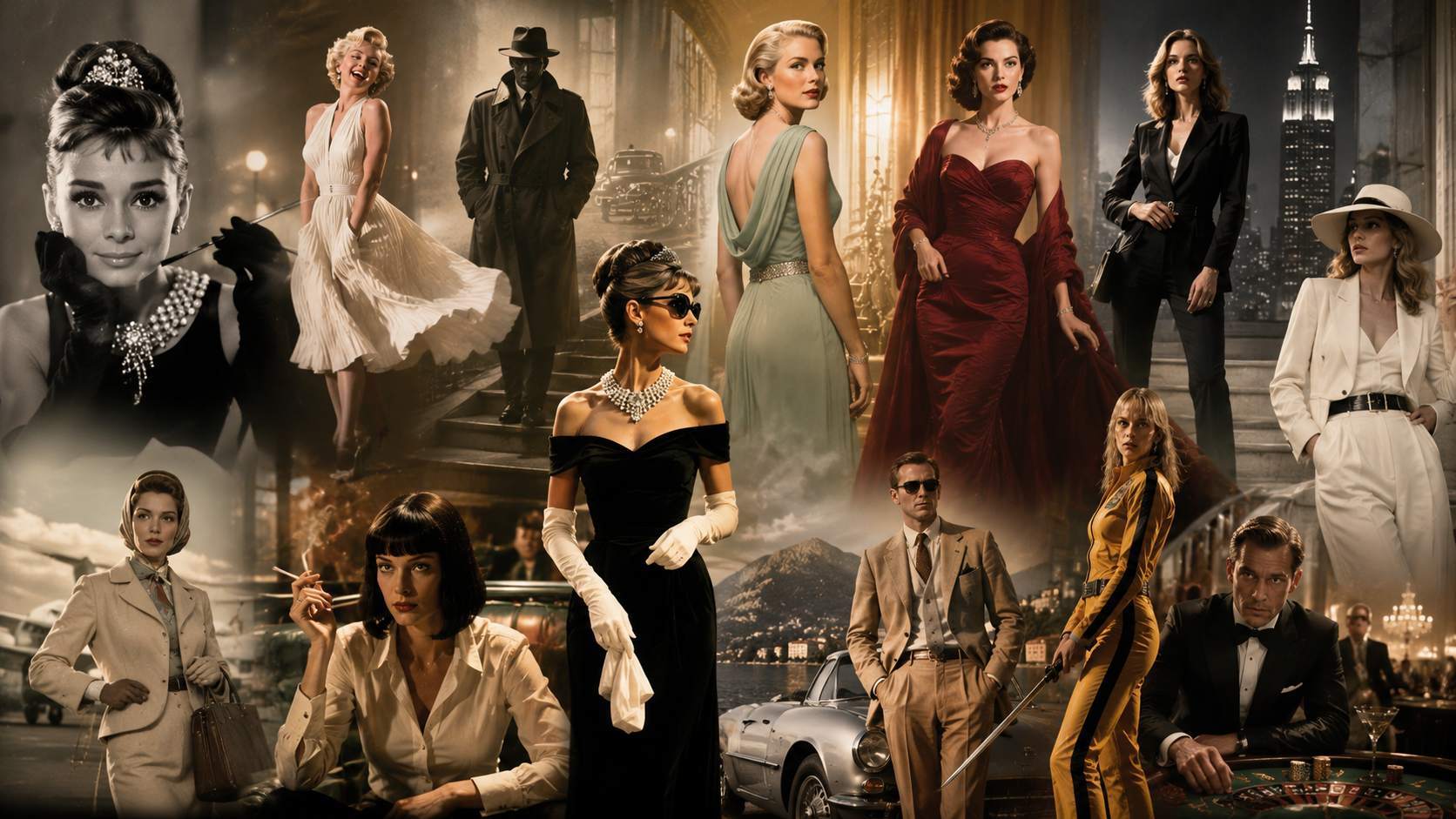
The Style Icons That Changed Global Fashion
Movies do more than tell stories.
They shape dreams, define generations, and often influence the way people dress, speak, and imagine themselves. Throughout cinematic history, certain costumes have become more than wardrobe choices—they have evolved into cultural symbols.
A single dress, a pair of sunglasses, or a trench coat seen on screen can transform into a global fashion trend lasting for decades.
Fashion in film is not merely decoration. It helps define characters, express emotions, and communicate cultural ideals. In many cases, the most unforgettable scenes in cinema are remembered not only for dialogue, but for style.
Even today, countless people own a little black dress, dream of elegant Hollywood glamour, or associate confidence with iconic movie fashion. The influence of cinema quietly continues inside everyday wardrobes around the world.
1. Audrey Hepburn and the Timeless Elegance of Breakfast at Tiffany’s
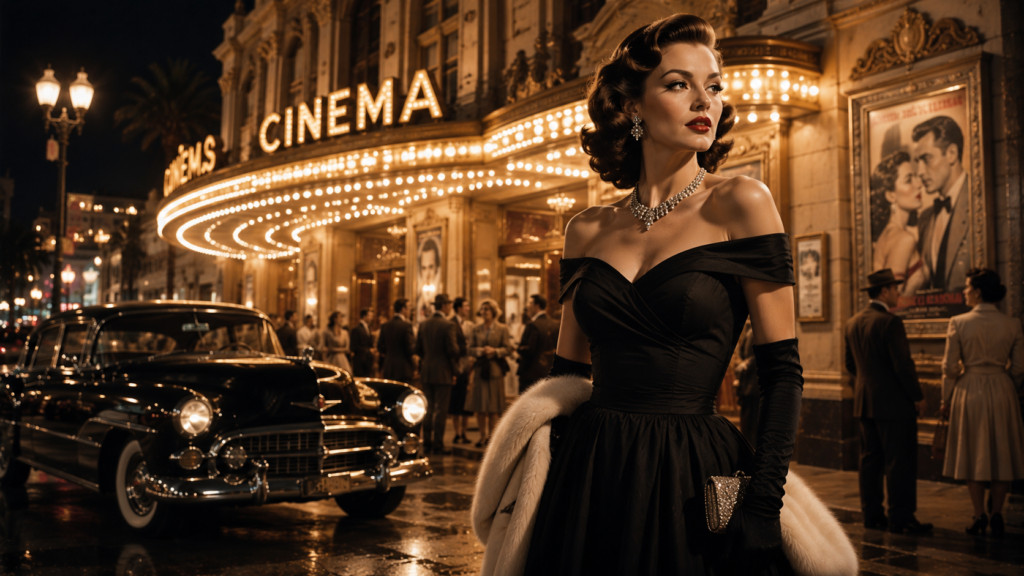
One of the most influential fashion moments in cinematic history appeared in Breakfast at Tiffany’s (1961).
Audrey Hepburn’s black Givenchy dress instantly became legendary.
Combined with pearl necklaces, oversized sunglasses, and long black gloves, the look created an image of sophisticated urban elegance that still defines classic fashion today.
But the dress represented more than beauty.
Hepburn’s style symbolized independence, confidence, and modern femininity during a time when women’s social roles were rapidly changing. The “Little Black Dress,” often called the LBD, eventually became an essential fashion item across generations.
More than sixty years later, its influence remains visible in weddings, formal events, and minimalist fashion trends worldwide.
2. Marilyn Monroe’s White Dress: When Fashion Became Pop Culture
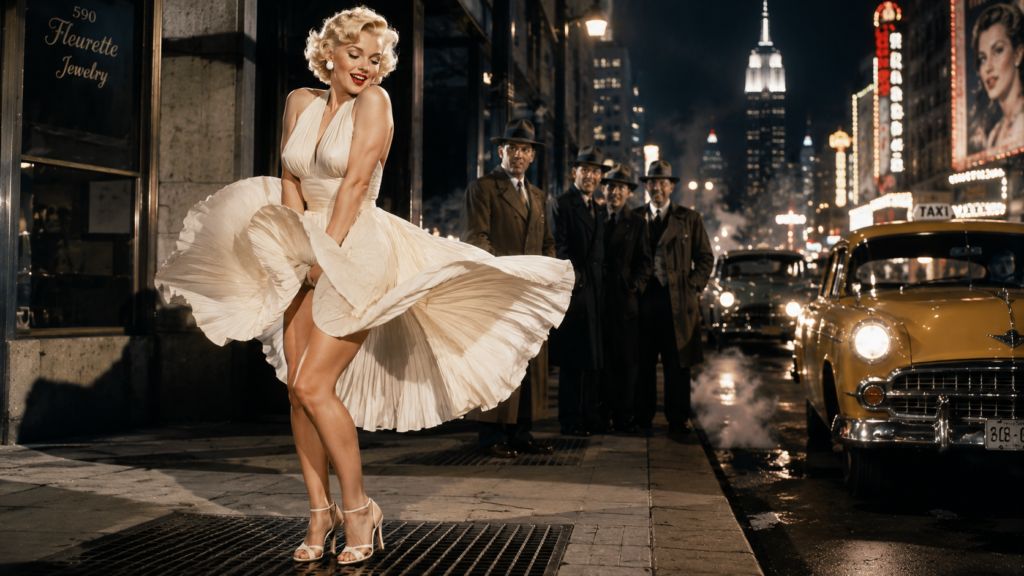
Few movie costumes are as instantly recognizable as Marilyn Monroe’s white dress from The Seven Year Itch (1955).
Designed by William Travilla, the flowing pleated dress became iconic during the famous subway ventilation scene that permanently entered pop culture history.
The scene transformed Monroe into more than a movie star—she became a symbol of Hollywood glamour itself.
What made the dress powerful was not only its visual beauty, but the way cinema, celebrity culture, and fashion merged into a single unforgettable image.
Even today, the dress continues to appear in advertisements, fashion photography, parodies, and tributes around the world.
It demonstrates how film can turn clothing into cultural mythology.
3. The Devil Wears Prada and the Modern Fashion Industry
While classic Hollywood created glamorous fashion icons, The Devil Wears Prada (2006) revealed the reality behind the modern fashion world.
The film introduced audiences to the pressures, hierarchies, and creative energy inside high fashion culture.
Andrea Sachs, played by Anne Hathaway, undergoes a dramatic style transformation throughout the story. Her changing appearance reflects not only fashion itself, but also personal growth, ambition, and self-discovery.
Meanwhile, Miranda Priestly, portrayed by Meryl Streep, represents power, control, and elegance through carefully selected designer clothing.
The film helped many viewers understand that fashion is not simply vanity or luxury—it is also communication, identity, and professional image.
For modern audiences, fashion became something psychological and symbolic, rather than merely decorative.
4. The Princess Diaries and the Fantasy of Transformation
For younger audiences, The Princess Diaries (2001) offered a different kind of fashion fantasy.
Anne Hathaway’s transformation from an ordinary teenager into a princess captured the imagination of an entire generation.
The dresses, tiaras, and royal styling represented more than luxury. They symbolized confidence, self-worth, and the possibility of personal transformation.
The movie suggested that fashion can influence how people see themselves emotionally.
This idea remains deeply connected to modern culture, where clothing often becomes part of personal identity and self-expression.
5. Other Films That Quietly Changed Fashion History
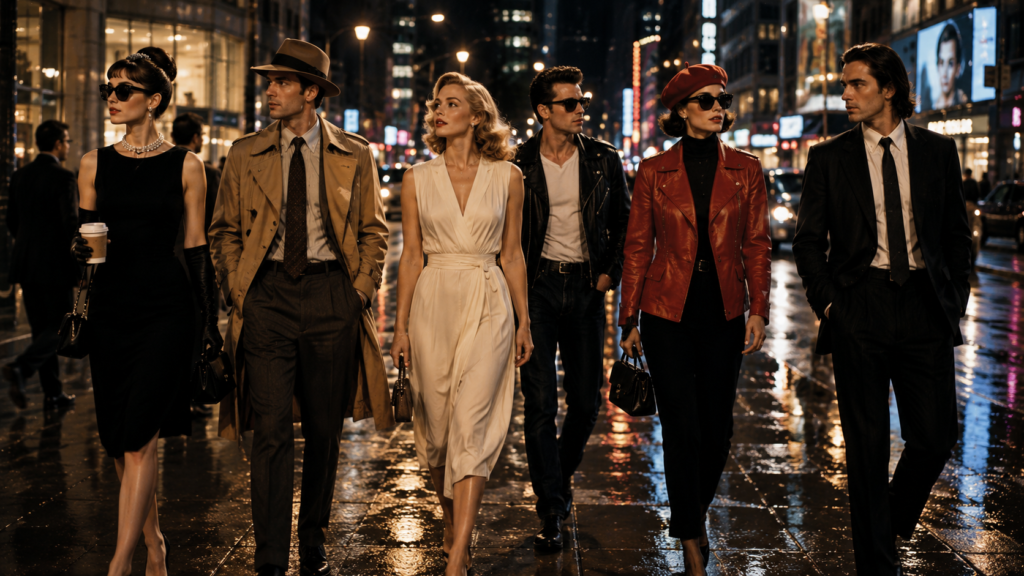
Many films have shaped fashion trends in subtle but lasting ways.
In Casablanca (1942), Ingrid Bergman’s elegant trench coat helped establish the timeless appeal of classic outerwear.
In Sex and the City (2008), Carrie Bradshaw’s Manolo Blahnik heels became dream items for fashion lovers worldwide.
From old Hollywood glamour to modern luxury branding, cinema has continuously shaped public taste and aspiration.
Fashion trends may change rapidly, but film preserves certain styles forever.
Conclusion: Fashion as Cinematic Memory
Movie costumes are never just pieces of fabric.
They help create characters, define emotions, and shape cultural imagination. In many cases, fashion becomes one of the most powerful storytelling tools in cinema.
Audrey Hepburn’s black dress, Marilyn Monroe’s white dress, and the luxury styling of The Devil Wears Prada each represent more than trends. They capture the spirit of entire generations.
Perhaps that is why cinematic fashion remains timeless.
Sometimes, the clothes we remember most are not simply fashion items, but emotions frozen in cinematic history.
A Question for Readers
Is there a movie outfit or cinematic style that has stayed in your memory for years?
Perhaps the clothes we admire on screen reveal not only changing fashion trends, but also the identities and emotions we quietly aspire to in our own lives.
Related Reading
The influence of cinematic fashion goes far beyond clothing itself—it reflects how culture, identity, and aspiration are visually constructed through media. This relationship between appearance and emotional meaning connects naturally with The Cultural Meaning Between Companion Animals and Livestock, which explores how everyday symbols and cultural perceptions shape the way societies assign value and meaning to familiar things.
At the same time, the transformation of movie costumes into timeless cultural icons also relates to a deeper philosophical question about modern identity and social perception. This perspective is further explored in Living with Virtual Beings: Companionship, Comfort, or Replacement?, which examines how media and technology increasingly influence the ways people construct emotional connection, aspiration, and self-image in contemporary society.
References
- Audrey Hepburn: The Exhibition
This exhibition catalog explores Audrey Hepburn’s influence on fashion history and examines how her collaboration with Hubert de Givenchy shaped modern elegance and cinematic style. It provides deep insight into the cultural significance of the Little Black Dress in Breakfast at Tiffany’s. - Hollywood Costume
This book analyzes the historical importance of film costumes and explains how clothing in cinema helps construct identity, symbolism, and emotional storytelling. It includes iconic examples from classic Hollywood and contemporary fashion films. - Queen of Fashion: What Marie Antoinette Wore to the Revolution
Although centered on historical fashion, this work explores how clothing reflects power, identity, and social change—concepts that strongly connect with fashion-centered films such as The Devil Wears Prada.