Preserving Heritage or Turning Tradition into a Product?
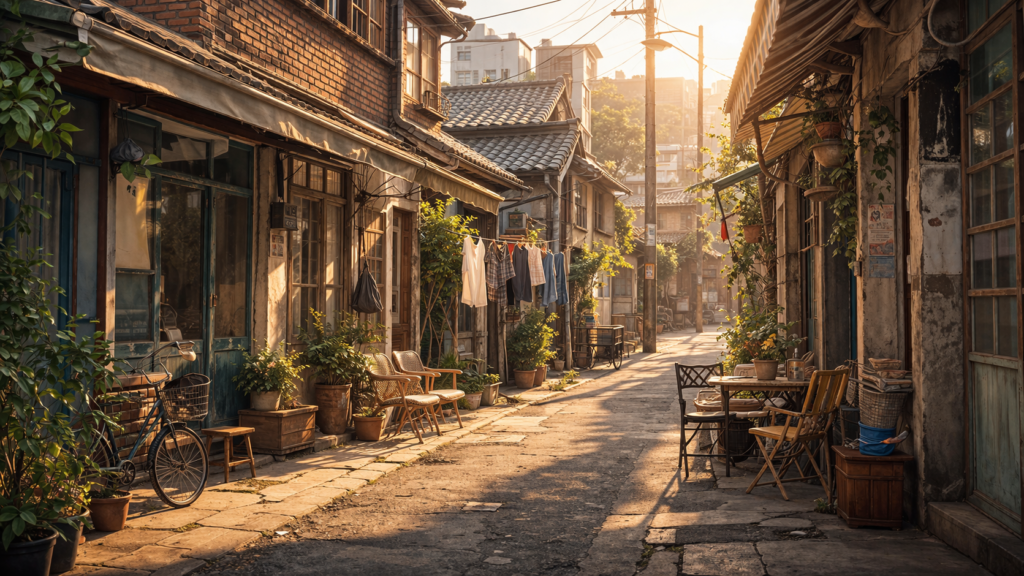
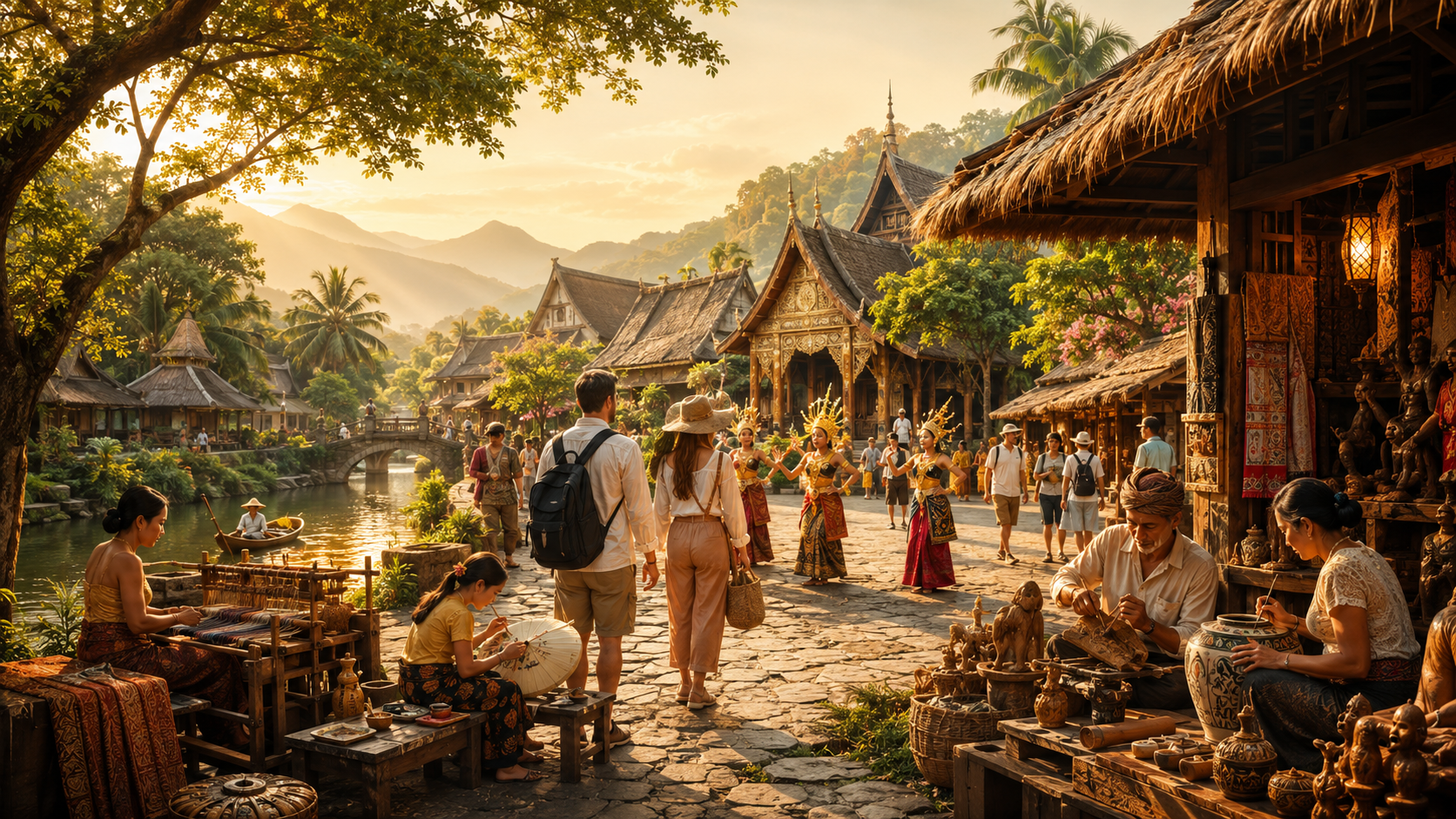
Every year, millions of travelers cross borders not simply to see famous landmarks but to experience cultures different from their own. Traditional festivals, historic villages, local crafts, music, cuisine, and rituals have become powerful attractions that shape the global tourism industry.
Cultural tourism creates jobs, supports local businesses, and encourages the preservation of heritage. Yet its rapid growth also raises an important question: When culture becomes a tourist attraction, does it remain authentic, or does it gradually become a commercial product?
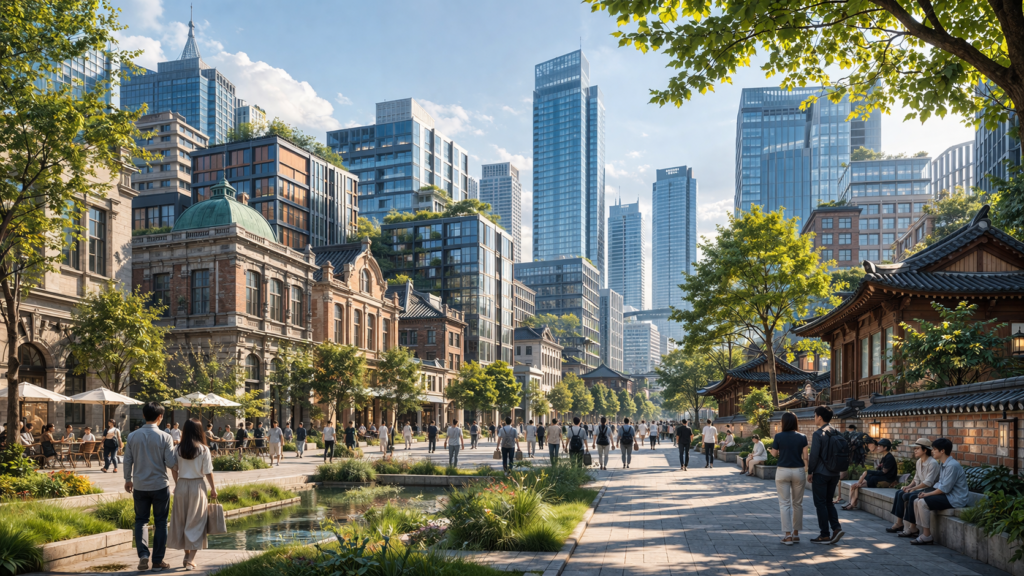
From Venice struggling with overtourism to Kyoto balancing visitor demand with local traditions, communities around the world are searching for ways to protect cultural identity while benefiting from tourism. The debate is not whether tourism is good or bad, but how economic opportunity and cultural integrity can coexist.
1. Why Cultural Tourism Matters
More Than Sightseeing
Cultural tourism allows visitors to engage with history, traditions, architecture, performing arts, and everyday local life. Unlike conventional tourism, it encourages deeper understanding between people from different cultures.
UNESCO has repeatedly emphasized that cultural heritage is not only about preserving old buildings but also about protecting living traditions passed from one generation to another.
An Economic Lifeline for Communities
For many regions, cultural tourism provides a significant source of income.
Historic towns, traditional markets, museums, and festivals generate employment for artisans, performers, guides, restaurants, and small businesses. Tourism often supplies the financial resources needed to maintain historical sites that might otherwise deteriorate.
For example, South Korea’s Andong Hahoe Folk Village and Japan’s Gion Festival both demonstrate how cultural heritage can become an important economic asset while introducing local traditions to international visitors.
2. The Case for Commercialization
Economic Growth and Employment
Supporters argue that tourism transforms cultural heritage into sustainable economic opportunities.
Communities that once depended on declining traditional industries may find new sources of income through cultural experiences, handicrafts, local cuisine, and heritage-based tourism.
Rather than replacing tradition, tourism can provide the financial support necessary to preserve it.
Greater Global Appreciation
International visitors often leave with a deeper understanding of cultures different from their own.
Cultural exchange reduces stereotypes, encourages mutual respect, and strengthens international relationships through shared experiences rather than political narratives.
Investment in Preservation
Governments and private organizations are more likely to invest in restoring historical sites when tourism generates long-term economic value.
Without visitors, many heritage sites might struggle to secure adequate funding for conservation.
3. The Risks of Turning Culture into a Product
When Authenticity Becomes Performance
Critics argue that traditions sometimes change to satisfy tourist expectations.
Traditional ceremonies may be shortened, modified, or performed outside their original cultural context simply because visitors prefer entertainment over authenticity.
As a result, culture risks becoming a staged performance rather than a living tradition.
Overtourism and Community Displacement
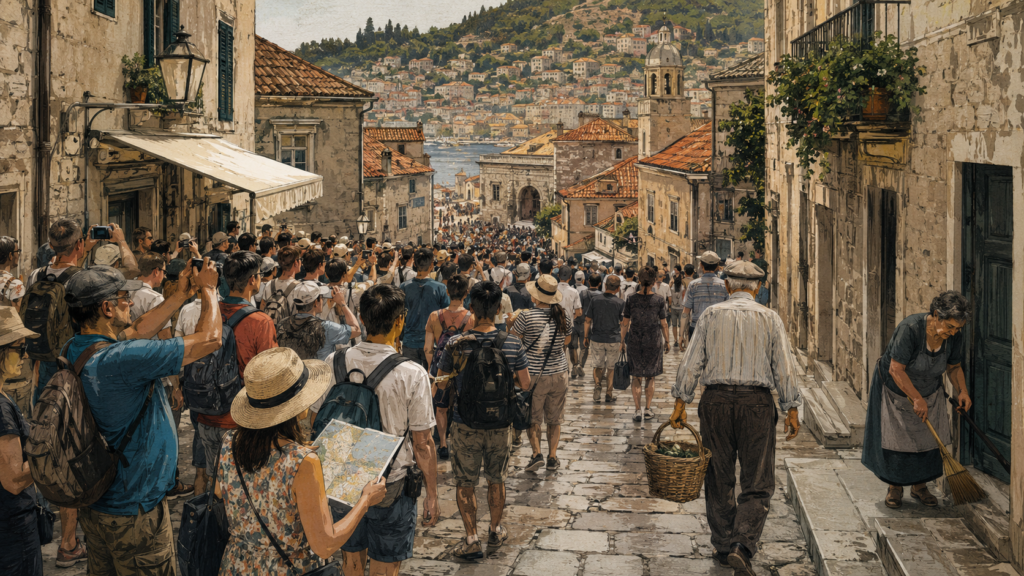
Successful destinations can also become victims of their own popularity.
Venice, Barcelona, Kyoto, and Mont Saint-Michel have all experienced tensions between tourism growth and residents’ quality of life. Rising housing costs, overcrowding, and commercialization may gradually push local communities away from the very places that represent their cultural identity.
Environmental Costs
Heavy tourist traffic increases waste, pollution, and pressure on fragile historical environments.
Natural landscapes surrounding cultural sites also suffer when visitor numbers exceed sustainable limits.
Economic success without environmental responsibility ultimately threatens the long-term survival of tourism itself.
4. Finding a Sustainable Balance
Community-Based Tourism
Many experts argue that local residents should remain the primary decision-makers in tourism development.
When communities control how their culture is presented, tourism is more likely to benefit local people while respecting traditional values.
Protecting Living Heritage
Culture should not simply be displayed—it should continue to evolve naturally within the community.
Educational programs, traditional apprenticeships, and local participation help preserve heritage beyond commercial performances.
Responsible Travelers Matter Too
Sustainable tourism is not only the responsibility of governments or businesses.
Visitors also influence whether destinations remain authentic.
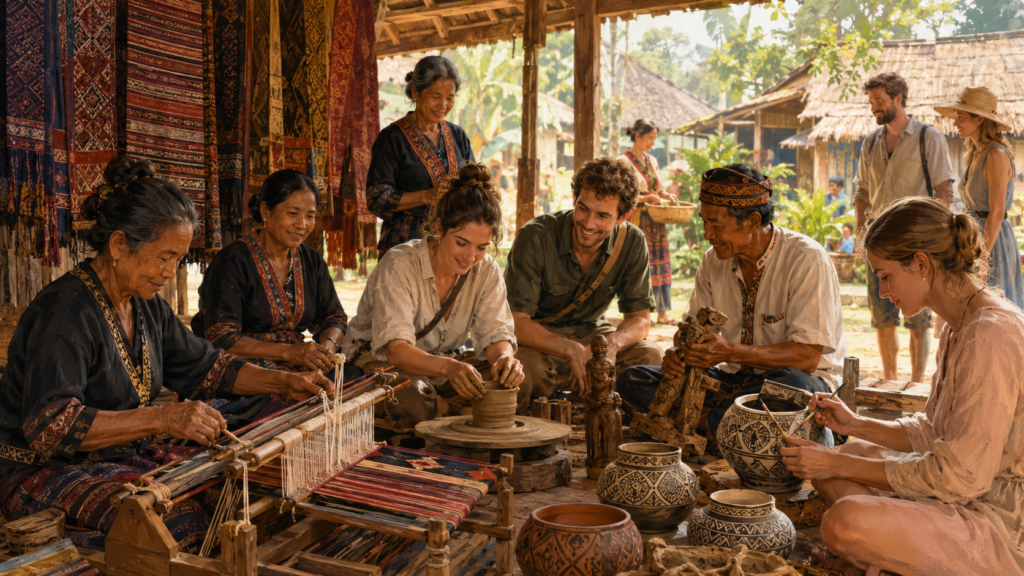
Respecting local customs, supporting family-owned businesses, reducing waste, and learning about cultural history all contribute to preserving the places people travel to experience.
5. The Future of Cultural Tourism
Beyond Profit Toward Partnership
Increasingly, tourism is shifting away from mass consumption toward meaningful cultural experiences.
Travelers today often seek authentic interactions rather than simply collecting photographs or checking famous landmarks off a list.
This shift offers an opportunity to redefine tourism as a partnership between visitors and host communities rather than a purely commercial transaction.
Conclusion

Cultural tourism offers remarkable opportunities for economic development, cultural exchange, and heritage preservation.
At the same time, excessive commercialization can weaken the authenticity that makes cultural traditions meaningful in the first place.
The challenge is not to stop tourism but to guide it responsibly.
When local communities remain at the center of decision-making, governments invest in sustainable policies, businesses act ethically, and travelers respect the places they visit, tourism becomes more than an industry.
It becomes a bridge between cultures—one that preserves the past while creating opportunities for the future.
Rather than asking whether culture should generate economic value, perhaps the better question is how economic value can strengthen rather than replace cultural identity.
Reader Question
Can cultural traditions remain authentic when they become major tourist attractions, or does commercialization inevitably change their original meaning?
How can travelers support local communities while enjoying meaningful cultural experiences without contributing to overtourism?
Related Reading
If history is interpreted differently across cultures and generations, how should we preserve cultural heritage without losing its original meaning?
In Is There a Single Historical Truth, or Many Narratives?, we explore how history is shaped by evidence, memory, and interpretation—and why preserving cultural identity requires more than protecting historic sites.
If local traditions become increasingly influenced by global markets and modern lifestyles, can cultural identity survive rapid social change?
In Are Our Emotions Truly Ours—or Socially Constructed?, we examine how society, culture, and collective experience shape human identity, traditions, and the values communities choose to preserve.
References
1. Richards, G., & Munsters, W. (2010). Cultural Tourism Research Methods. CABI.
This book provides comprehensive research methods for understanding cultural tourism and examines how tourism influences local heritage, identity, and community development. It offers valuable insights into balancing economic benefits with cultural preservation.
2. UNESCO. (2012). Culture: A Driver and an Enabler of Sustainable Development. UNESCO Publishing.
UNESCO explains how cultural heritage contributes to sustainable development while emphasizing that local communities should remain central to tourism planning. The report highlights the importance of protecting both tangible and intangible cultural heritage.
3. MacCannell, D. (1999). The Tourist: A New Theory of the Leisure Class. University of California Press.
A classic work in tourism studies, MacCannell argues that modern tourism often transforms authentic cultural experiences into staged performances for visitors. His analysis remains highly influential in debates about authenticity and commercialization.
4. Smith, M. K., & Robinson, M. (Eds.). (2006). Cultural Tourism in a Changing World: Politics, Participation and (Re)Presentation. Channel View Publications.
This collection explores how politics, community participation, and globalization shape cultural tourism. It examines the challenges of representing local traditions while responding to the demands of an international tourism market.
5. UN Tourism (formerly World Tourism Organization). (2018). Tourism and Culture Synergies. UN Tourism.
This report presents international case studies showing how tourism and cultural heritage can support one another through sustainable policies. It emphasizes cooperation among governments, local communities, and the tourism industry to ensure long-term cultural preservation.