Plastic Surgery, Genetic Editing, and the Future of Human Appearance
For most of human history, beauty was largely shaped by nature.
People could change hairstyles, clothing, or cosmetics—but the basic structure of appearance remained biologically given.
Today, that boundary is beginning to disappear.
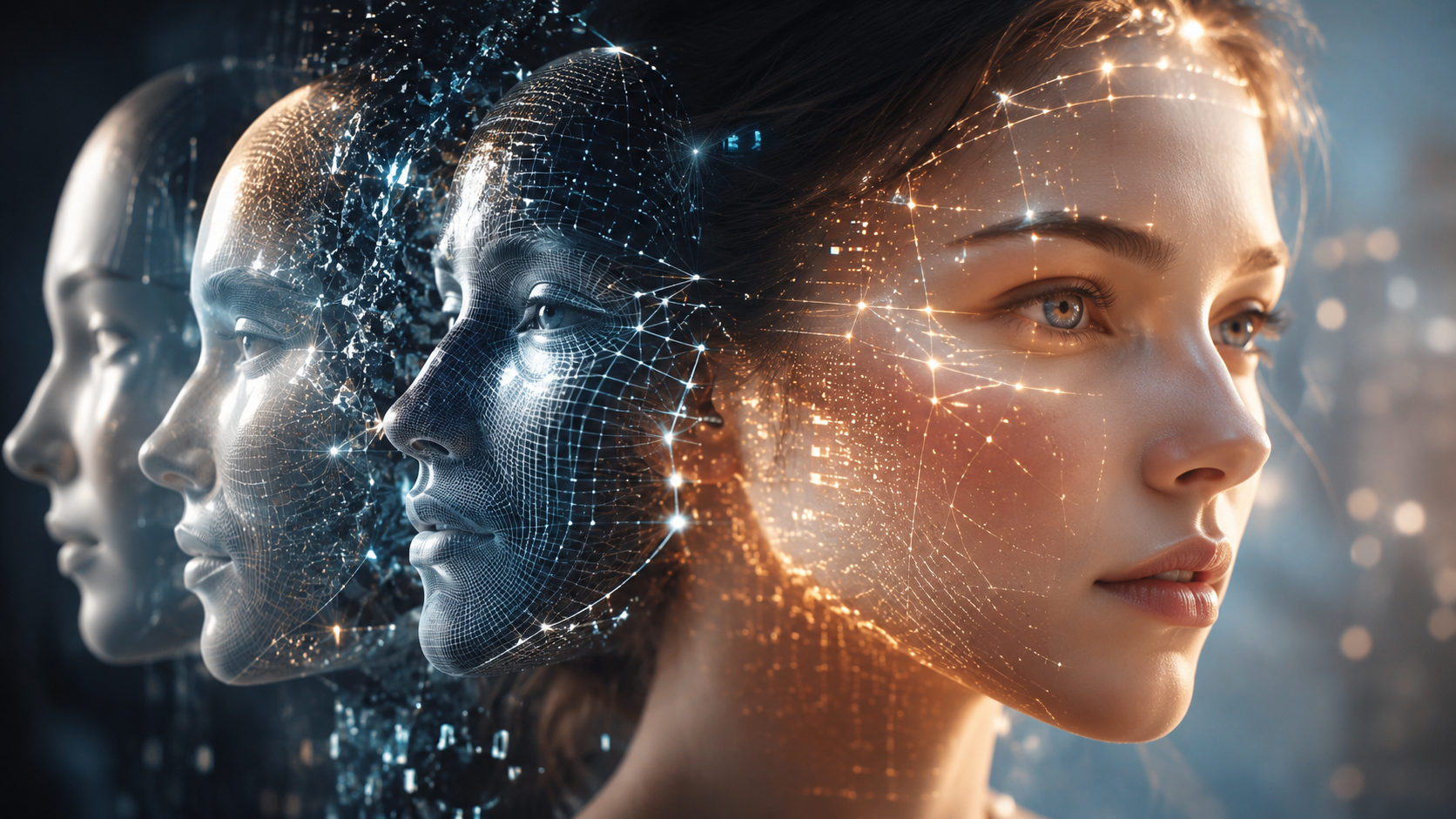
Artificial intelligence, genetic editing, facial simulation systems, and digital avatars are transforming how humans think about appearance itself.
AI can already analyze faces and recommend “ideal” proportions. Cosmetic surgery clinics increasingly use predictive imaging systems to design personalized procedures. Gene-editing technologies may eventually allow parents to influence physical traits before birth. Meanwhile, virtual worlds and social media filters continuously redefine what people consider attractive.
This raises a difficult question:
If beauty becomes technologically customizable,
will natural beauty eventually lose its meaning?
And in a future where enhancement becomes normal, could remaining “natural” become unusual instead?
1. The Future of Beauty in the Age of AI
From Cosmetic Surgery to Algorithmic Beauty
Traditional cosmetic surgery mainly focused on physical alterations such as:
- rhinoplasty
- wrinkle reduction
- facial contouring
- and skin treatments
However, AI is rapidly changing the logic behind aesthetic decisions.
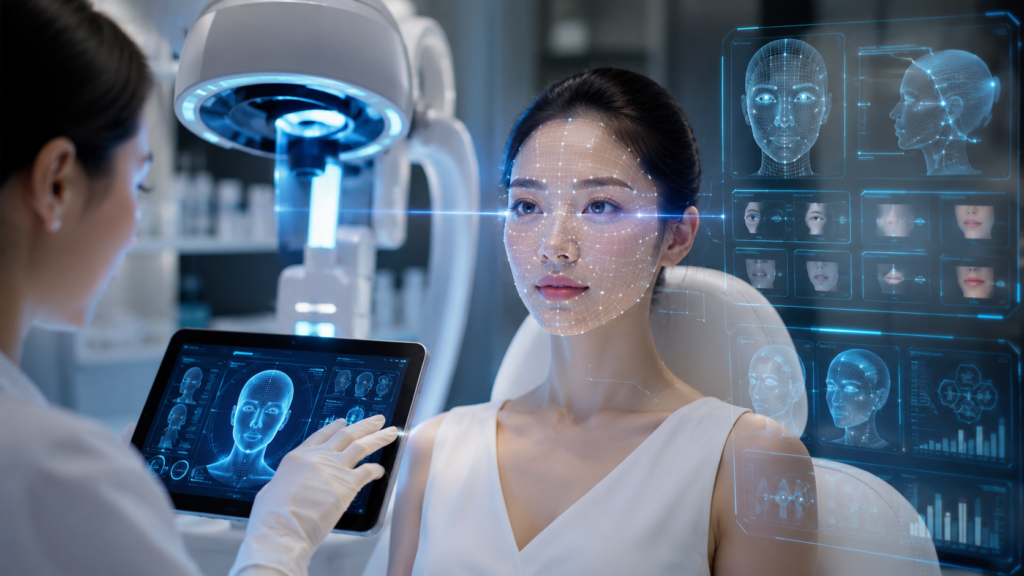
Many clinics now use AI systems capable of analyzing:
- facial symmetry
- skin texture
- bone structure
- proportions
- and predicted aging patterns
These systems increasingly recommend “optimized” aesthetic outcomes based on massive datasets.
As a result, beauty may become less subjective and more algorithmically standardized.
Personalized Beauty or Standardized Perfection?
Supporters argue AI-based customization allows individuals to achieve appearance goals more precisely and safely.
However, critics warn that algorithmic beauty systems may reinforce narrow standards of attractiveness.
If AI is trained primarily on culturally dominant beauty ideals, technological enhancement could intensify:
- racial bias
- social pressure
- and unrealistic appearance expectations
The question is no longer simply whether people choose cosmetic enhancement.
It is whether technology itself begins defining what society considers beautiful.
2. Genetic Editing and the Ethics of Designed Appearance
Beyond Surgery: Editing Human Traits
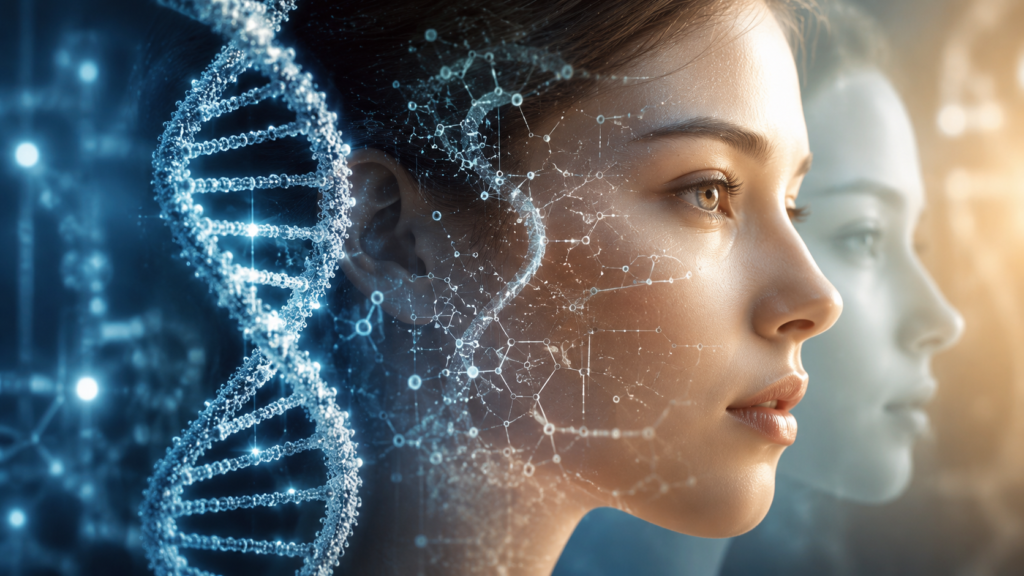
Advances in CRISPR and genetic engineering raise even deeper ethical concerns.
Future technologies may potentially influence:
- skin tone
- facial structure
- eye color
- hair characteristics
- and even biological aging processes
In this scenario, cosmetic enhancement moves beyond surgery into biological design.
The Moral Debate
This possibility creates difficult ethical questions.
Should parents have the right to influence a child’s appearance genetically?
Could genetic beauty enhancement deepen social inequality by making desirable traits available primarily to wealthy groups?
And if societies begin favoring technologically optimized appearances, could natural diversity gradually decline?
These debates suggest that future beauty technologies may affect not only aesthetics—
But also ideas of identity, equality, and humanity itself.
3. Could Cosmetic Enhancement Become Socially Expected?
When “Natural” Becomes Unusual
In some societies today, cosmetic enhancement has already become highly normalized.
For example, certain cosmetic procedures in countries such as South Korea are so common that remaining completely unaltered may itself appear unusual.
At the same time, social media filters continuously reshape beauty expectations by presenting digitally perfected faces as everyday visual norms.
As enhancement technologies become more accessible, future societies may increasingly treat appearance optimization not as luxury—
But as social maintenance.
Beauty as Social Pressure
This creates a significant concern:
What happens when enhancement stops being fully voluntary?
People may eventually feel pressured to modify their appearance in order to:
- compete professionally
- maintain social status
- gain online visibility
- or avoid discrimination
In that environment, refusing enhancement could become a form of social resistance rather than simple personal preference.
Ironically, natural appearance itself may become rare and culturally distinctive.
4. Digital Beauty and Virtual Identity
The Rise of Avatar-Based Appearance
The expansion of virtual reality and metaverse environments is also transforming the meaning of beauty.
People increasingly create idealized digital versions of themselves through:
- filters
- avatars
- virtual fashion
- and AI-generated identities
In many digital environments, appearance no longer follows biological limitations.
Instead, beauty becomes endlessly editable.
Two Identities: Physical and Digital
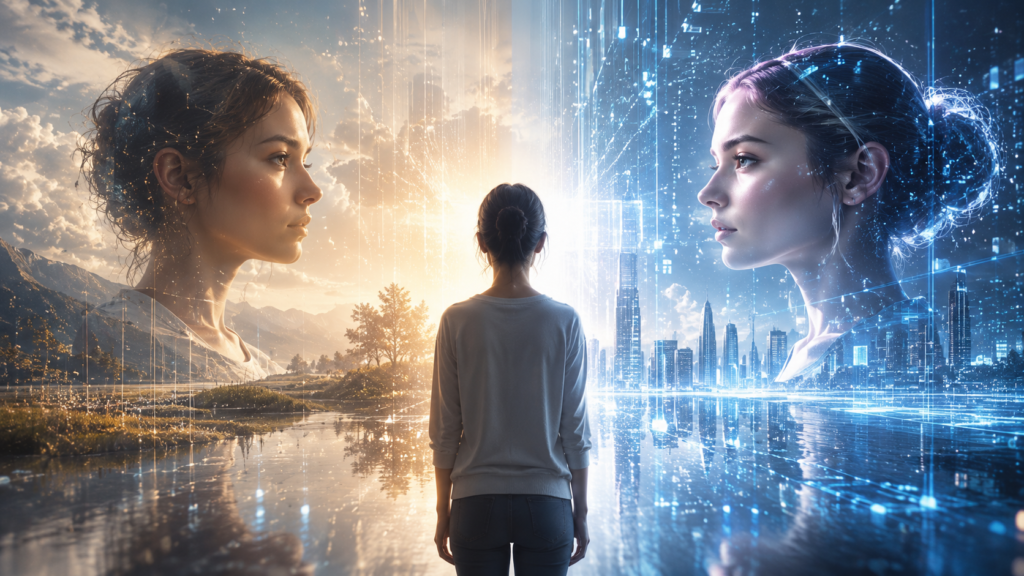
This may produce a future where individuals maintain:
- relatively natural physical appearances in everyday life
- while simultaneously using highly perfected digital identities online
As digital interaction becomes more central to social life, virtual appearance may eventually influence self-esteem and social value as strongly as physical appearance itself.
The concept of beauty may therefore split into:
- biological beauty
- and digitally engineered beauty.
Conclusion: Will Beauty Remain Human?
Technology will undoubtedly continue transforming human appearance.
AI analysis, cosmetic enhancement, genetic editing, and digital avatars are already reshaping how societies define attractiveness.
However, the future debate may not simply concern beauty itself.
It may concern freedom.
If enhancement becomes socially expected, appearance could gradually shift from personal expression into technological obligation.
At the same time, societies may also move in the opposite direction.
If artificial perfection becomes everywhere, natural appearance may eventually gain new cultural value precisely because it is imperfect, unique, and human.
Ultimately, the future of beauty raises a deeper philosophical question:
Should beauty remain something naturally lived—
or become something technologically designed?
The answer may determine not only how humans look in the future, but also how humanity understands identity, individuality, and authenticity itself.
Reader Question
If technology could allow people to redesign their appearance completely—
Would beauty still feel personal and authentic,
or would it become another social standard people are expected to follow?
And in a world filled with perfected faces,
could natural imperfection become the rarest form of beauty?
Related Reading
The broader discussion of identity, recognition, and changing social norms is explored further in Gender and Identity: Can Society Move Beyond the Binary?, which examines how evolving understandings of gender continue to reshape expectations surrounding appearance, identity, and self-expression. This wider perspective provides an essential framework for understanding why ideals of beauty are increasingly viewed as social and cultural constructs rather than fixed biological standards.
Beauty standards are shaped not only by technology but also by emotion and social expectations. Are Our Emotions Truly Ours—or Socially Constructed? explores how digital environments, cultural norms, and collective expectations influence emotional responses, self-image, and the pursuit of social approval. Together, these discussions suggest that the future of beauty depends as much on society’s emotional values as on advances in artificial intelligence.
References
- T. Jarvis et al. (2020). Artificial Intelligence in Plastic Surgery.
This study examines how AI technologies are currently being integrated into cosmetic surgery through predictive analysis, personalized planning, and ethical decision-making systems. - T. V. Duong et al. (2024). Artificial Intelligence in Plastic Surgery: Advancements, Applications, and Future.
This research explores how AI-driven beauty analysis systems may reshape cosmetic surgery through highly individualized aesthetic optimization. - F. Qin & J. Gu (2023). Artificial Intelligence in Plastic Surgery.
This work discusses how AI and genetic editing technologies may eventually combine to influence future forms of appearance design and facial optimization. - D. So (2022). From Goodness to Good Looks.
This study investigates ethical concerns surrounding genetic modification for aesthetic purposes and questions how technological beauty enhancement may reshape social values. - Y. Ding (2023). Deconstructing Beauty.
Ding analyzes how AI systems may reinforce cultural bias within beauty industries by amplifying dominant aesthetic standards through algorithmic analysis.