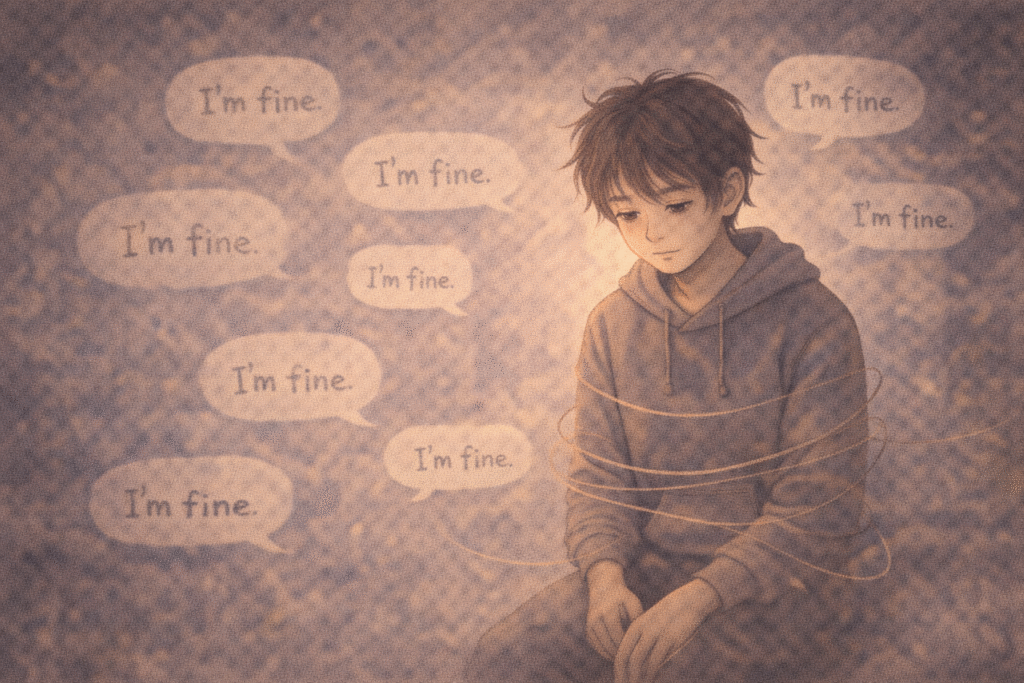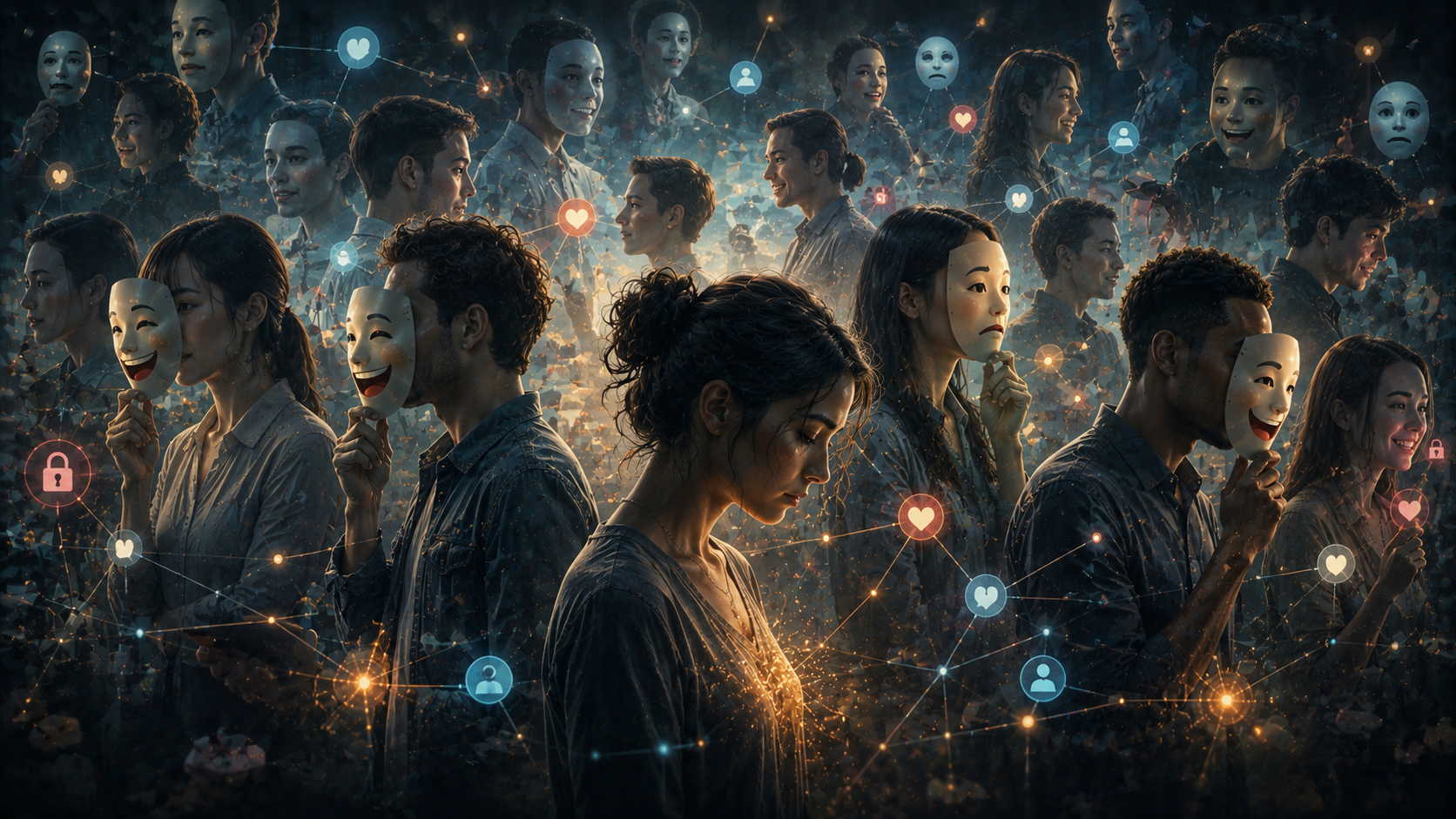
Emotional Labor, Social Media, and the Sociology of Feeling in Modern Society
We usually think of emotions as deeply personal.
Sadness.
Anger.
Joy.
Anxiety.
These feelings seem to emerge naturally from within us, as if they belong entirely to our inner selves.
But sociologists raise a different possibility.
What if emotions are not only personal experiences—
But also social performances shaped by expectations, norms, and power structures?
In modern society, emotions are increasingly:
- managed
- regulated
- performed
- marketed
- and even politicized
This idea forms the foundation of what sociologists call the sociology of emotions.
And it forces us to ask a difficult question:
Are our emotions truly ours—
or are they partly created by society itself?

1. Emotions Exist Within Social Rules
Social Expectations Shape Emotional Expression
Most people believe they express emotions freely.
However, society constantly teaches us when, where, and how emotions should be displayed.
For example:
- laughing at a funeral is considered inappropriate
- crying at a wedding may be viewed as touching
- customer service workers are expected to smile even when upset
- social media users often feel pressured to react positively online
These examples show that emotions are not expressed randomly.
They are guided by social expectations.
Emotions as Social Performance
As a result, emotions are often:
- controlled
- suppressed
- exaggerated
- or performed
This raises an important possibility:
Perhaps emotions are not purely spontaneous inner truths.
Perhaps they are also socially organized forms of expression.
2. Emotional Labor in Modern Society
Arlie Hochschild and Emotional Labor
The concept of emotional labor was introduced by Arlie Russell Hochschild.
It describes situations where workers must regulate and manage emotions as part of their job.
Examples include:
- flight attendants
- call-center employees
- caregivers
- hotel staff
- healthcare workers
These professions often require emotional performance in addition to physical or intellectual work.
When Emotions Become a Commodity
For example, customer service workers may need to remain calm and friendly even when facing verbal abuse.
In these situations, workers suppress genuine feelings in order to display professionally acceptable emotions.
This can lead to:
- burnout
- emotional exhaustion
- emotional dissonance
Modern capitalism increasingly turns emotions themselves into marketable resources.
In other words, feelings become part of labor.
3. Social Media and the Structure of Emotion
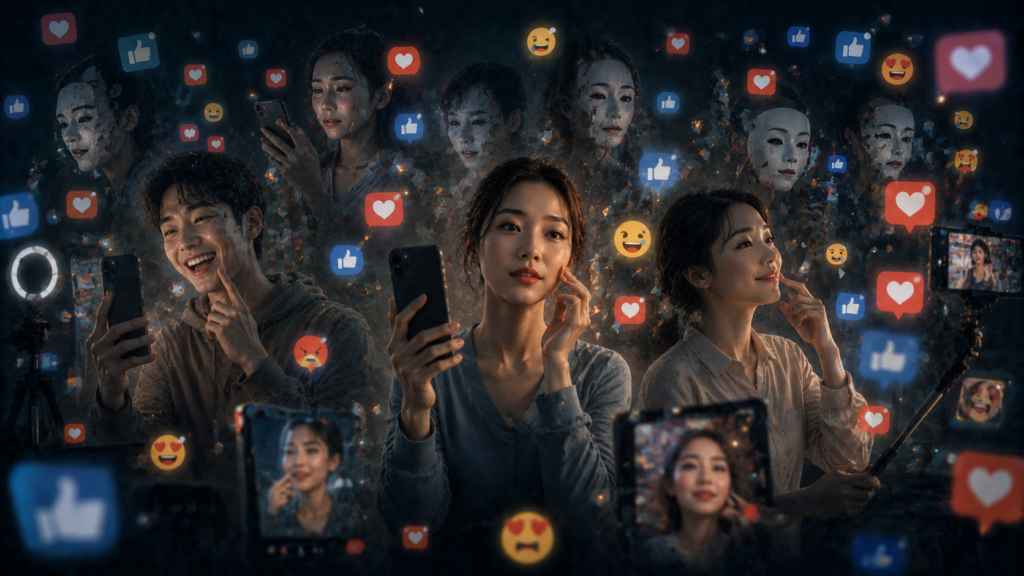
Emotional Expression Online
Social media appears to offer unlimited emotional freedom.
However, online emotions are also shaped by:
- algorithms
- social approval
- visibility
- platform culture
For example:
- excessive negativity may make others uncomfortable
- people often feel pressured to “like” posts to maintain relationships
- certain emotions spread more easily than others online
Performing Emotion for Visibility
As a result, social media sometimes becomes less about authentic feeling
and more about emotional presentation.
People carefully curate:
- happiness
- outrage
- vulnerability
- excitement
in ways that fit platform expectations.
In many cases, users do not simply express emotions—
They perform them.
4. Collective Emotion and Politics
Fear, Anger, and Political Power
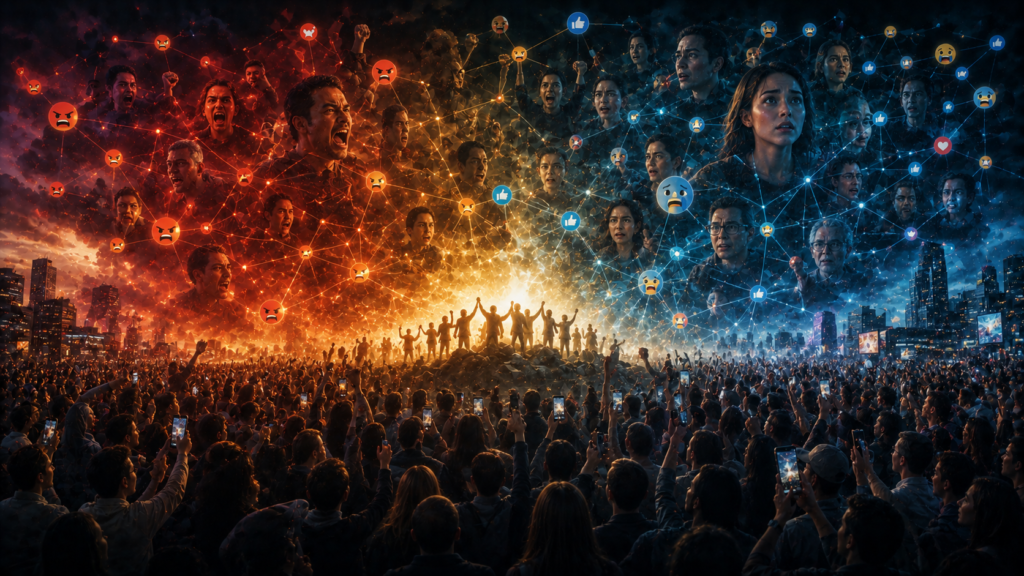
Emotions become especially powerful when they spread collectively.
Political movements often grow through shared emotions such as:
- fear
- anger
- resentment
- solidarity
For example:
- fear may increase support for strong security policies
- anger toward inequality may fuel protests
- hatred toward minorities may strengthen extremist politics
Social Media and Emotional Amplification
Social media accelerates emotional spread at enormous speed.
In particular, anger tends to spread faster than empathy.
Examples such as:
- the Arab Spring
- protests following the death of George Floyd
- the Myanmar democracy movement
demonstrate how collective emotions can transform into political action.
This shows that emotions are not merely private experiences.
They are also social and political forces.
Conclusion: Is Emotion the “Real Self” or the “Required Self”?
Emotions certainly begin within individuals.
However, the way emotions are expressed, interpreted, and valued is deeply influenced by society.
Modern society increasingly:
- manages emotions
- commercializes emotions
- structures emotions
- and politicizes emotions
As a result, people may sometimes confuse genuine feelings with socially expected performances.
This leads to one final question:
Are your emotions entirely your own—
or are they partly shaped by the world teaching you how to feel?
Perhaps asking this question is the first step toward understanding the sociology of emotions.
Reader Question
Have you ever smiled when you did not want to, hidden your emotions to fit social expectations, or reacted online in ways you did not genuinely feel?
If so, where do your emotions truly begin—
Inside yourself, or within the society shaping how you are expected to feel?
Related Reading
The broader psychology of emotion, perception, and cognitive bias is explored further in Why We Excuse Ourselves but Blame Others: Understanding the Actor–Observer Bias, which examines how people interpret their own emotions and behaviors differently from those of others. This wider perspective provides an essential framework for understanding how emotions are influenced not only by personal experience but also by cognitive and social processes.
If society can shape how we express emotions, can it also shape how we understand identity itself? Gender and Identity: Can Society Move Beyond the Binary? explores how social expectations influence gender roles, personal identity, and the ways individuals perform socially accepted versions of themselves. Together, these discussions suggest that emotions and identity are not formed in isolation but are continuously shaped through interaction with society and culture.
References
- A. Pratesi (2024). Emotions and Social Change.
This work analyzes how emotions interact with social change through both theoretical and empirical perspectives. It treats emotions not merely as personal reactions, but as phenomena shaped by social structures and power relations. - A. Boone (2024). A Rhetorical-Sociological Understanding of Emotion.
Boone examines how emotional expression and suppression are structured through discourse and social norms, especially within political communication and social media environments. - L. Halperin (2025). Combining Emotions In Sociology Through Emotions.
This work explores how emotions such as anger, fear, and solidarity influence social movements and public opinion formation through collective emotional dynamics. - Audre Lorde (2025). Lorde, Audre.
This study interprets emotions through queer theory and affect theory, examining how feelings become forms of resistance against systems of oppression related to race, gender, and class. - S. Pultz (2024). Emotionally Indebted.
Pultz analyzes how emotional control operates within modern labor systems, particularly among precarious workers such as freelancers and unemployed individuals in affective economies.