The Hidden Cost of Leisure and Access
For many people, hobbies are seen as simple pleasures — a way to relax after work, express creativity, or connect with others. Running in the park, playing music, painting, scuba diving, golfing, or horseback riding may all appear to belong to the same category: leisure.
But in reality, not all hobbies are equally accessible.
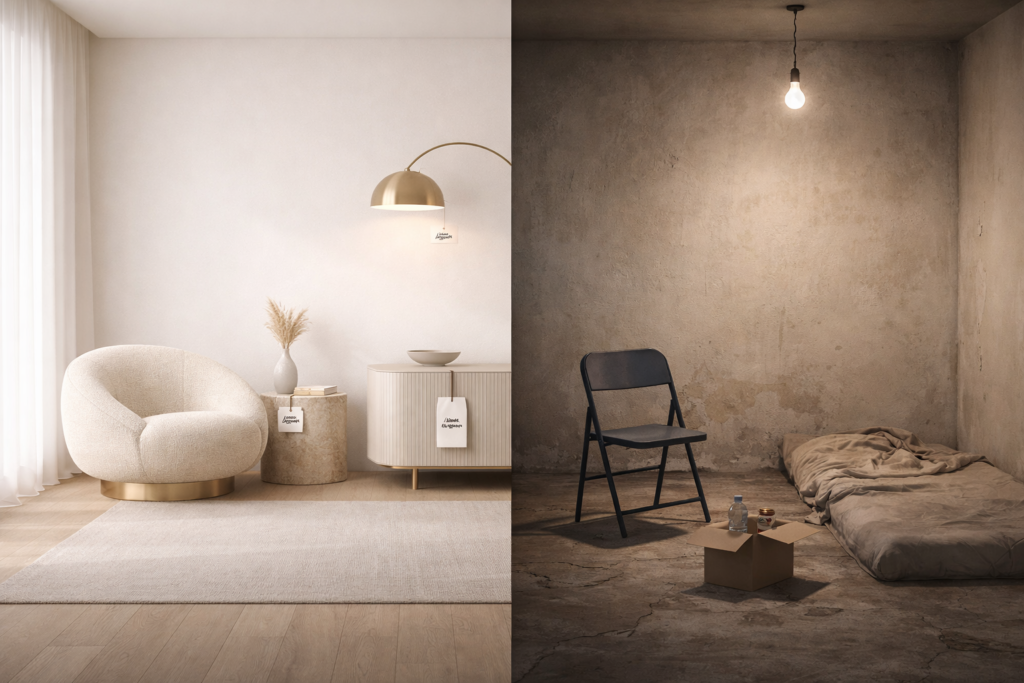
Some activities require expensive equipment, private facilities, professional coaching, or large amounts of free time. Others depend heavily on social networks and cultural exposure. As a result, hobbies can quietly reflect deeper inequalities within society.
This raises an uncomfortable question:
Can everyone truly enjoy leisure equally, or do hobbies also reveal economic and social privilege?
In the modern world, where mental health, work-life balance, and self-expression are increasingly important, the accessibility of hobbies may become more than a lifestyle issue. It may become a question of cultural fairness.
1. Expensive Hobbies and Invisible Economic Barriers

When Leisure Requires Money
Some hobbies demand significant financial investment from the very beginning.
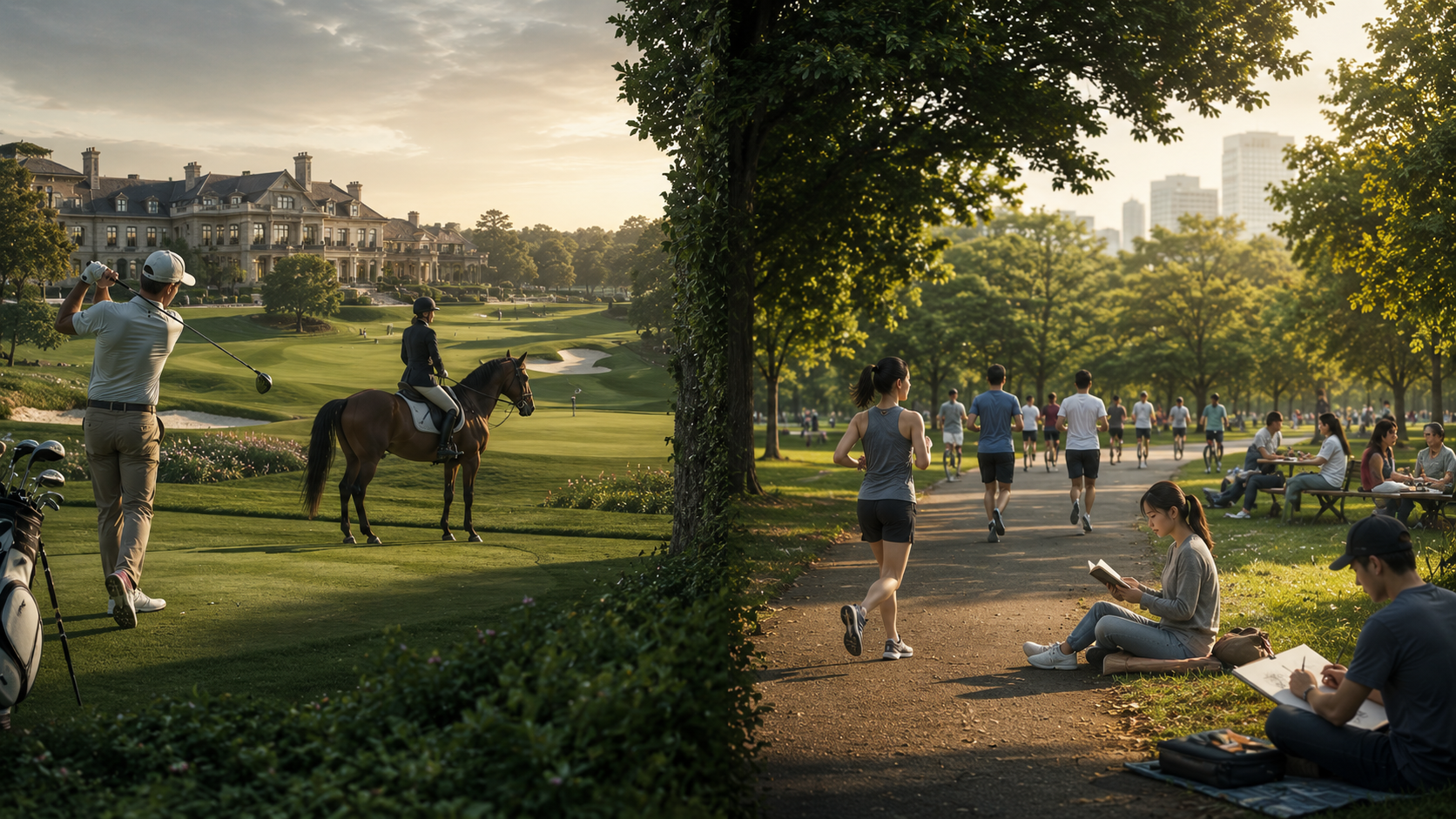
Golf, horseback riding, scuba diving, sailing, skiing, and classical music performance often require costly equipment, lessons, travel expenses, and membership fees. In some cases, simply entering the hobby community can feel financially overwhelming.
Golf is a clear example. Beyond the cost of clubs and clothing, players may need to pay expensive course fees or private membership costs. In many countries, golf still carries the image of an upper-class activity associated with business networks and social status.
Horseback riding presents similar barriers. Maintaining horses, renting facilities, purchasing riding gear, and paying training costs make the hobby inaccessible to many people. While riding culture is more common in some Western countries, it remains strongly associated with wealth in many parts of Asia.
Even artistic hobbies can become economically exclusive. Learning classical instruments such as the violin or piano often requires years of private lessons and expensive instruments, creating a gap between those who can afford sustained artistic education and those who cannot.
Hobbies as Class Signals
As a result, hobbies that appear “personal” may actually reflect broader social inequality.
2. Why Accessibility Matters Beyond Leisure
Leisure as Emotional Well-Being
At first glance, hobbies may seem less important than education, healthcare, or employment. However, leisure activities play a major role in emotional well-being and social participation.
Hobbies help people reduce stress, build confidence, form relationships, and develop identity outside of work. In many cases, hobbies also create social networks that influence future opportunities.
When access to hobbies becomes unequal, cultural experiences themselves become unequal.
Cultural Capital and Social Opportunity
French sociologist Pierre Bourdieu argued that taste and leisure are deeply connected to social class. According to his theory of “cultural capital,” people from wealthier backgrounds often gain access not only to material resources, but also to prestigious forms of culture and self-development.
This means that hobbies are not always “free choices.” They are often shaped by economic conditions, education, and social environment.
For younger generations facing rising housing costs, student debt, and unstable employment, expensive hobbies may feel increasingly unrealistic. Many young adults rely on low-cost or digital hobbies instead, not necessarily because they prefer them, but because they are financially accessible.
Over time, this can create a society where leisure itself becomes stratified by class.
3. Can Technology and Public Systems Reduce the Gap?
Despite these challenges, new approaches are making hobbies more accessible.
Public Support and Shared Access
Public infrastructure plays an important role. Some cities provide free sports facilities, public music programs, hiking trails, community workshops, or subsidized art classes. These programs help reduce financial barriers and encourage broader participation.
The sharing economy has also changed how people experience hobbies. Instead of purchasing expensive equipment, individuals can rent cameras, golf clubs, musical instruments, camping gear, or bicycles at lower costs. Membership-based communities allow people to participate without owning everything themselves.
Digital Learning as a New Doorway
Digital platforms have expanded access even further.
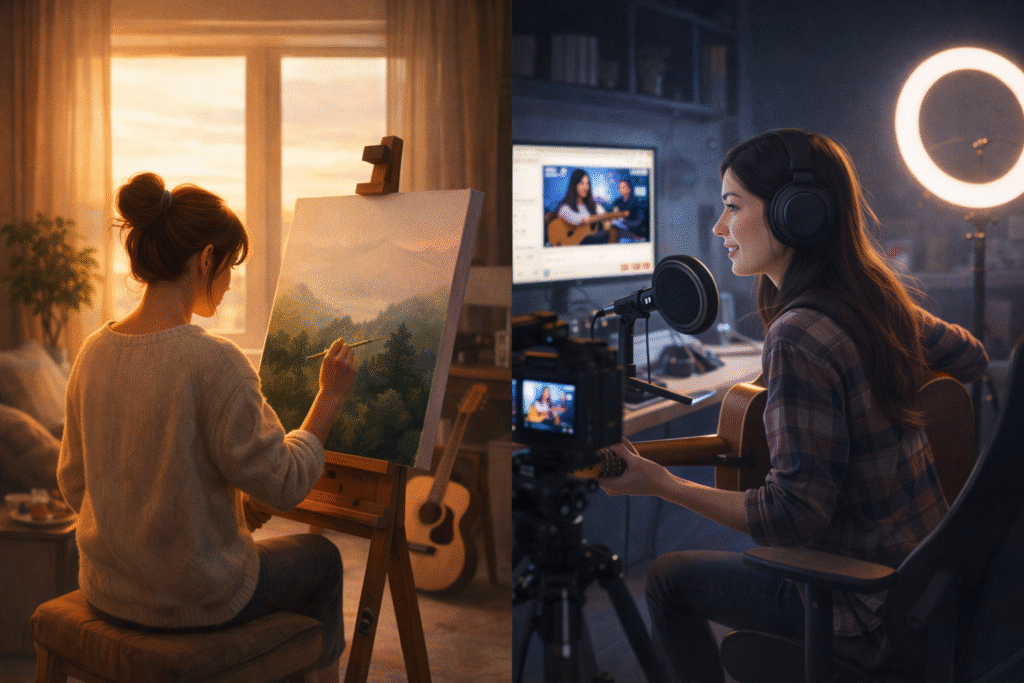
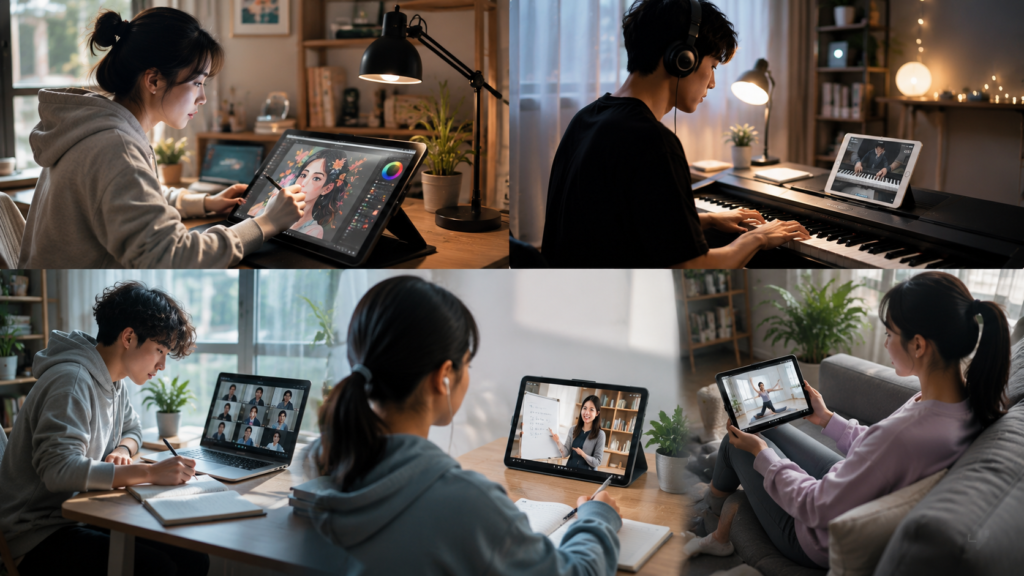
Online tutorials, virtual lessons, and educational platforms now allow people to learn photography, music, painting, coding, cooking, or languages from home at relatively low cost. A person who could never afford formal piano lessons may still learn basic music skills through digital keyboards and online instruction.
Technology cannot completely eliminate inequality, but it can lower entry barriers and create new pathways into leisure culture.
4. The Rise of Low-Cost and Meaningful Hobbies
Interestingly, some of the most meaningful hobbies today are not necessarily the most expensive.
Simple Hobbies, Deep Satisfaction
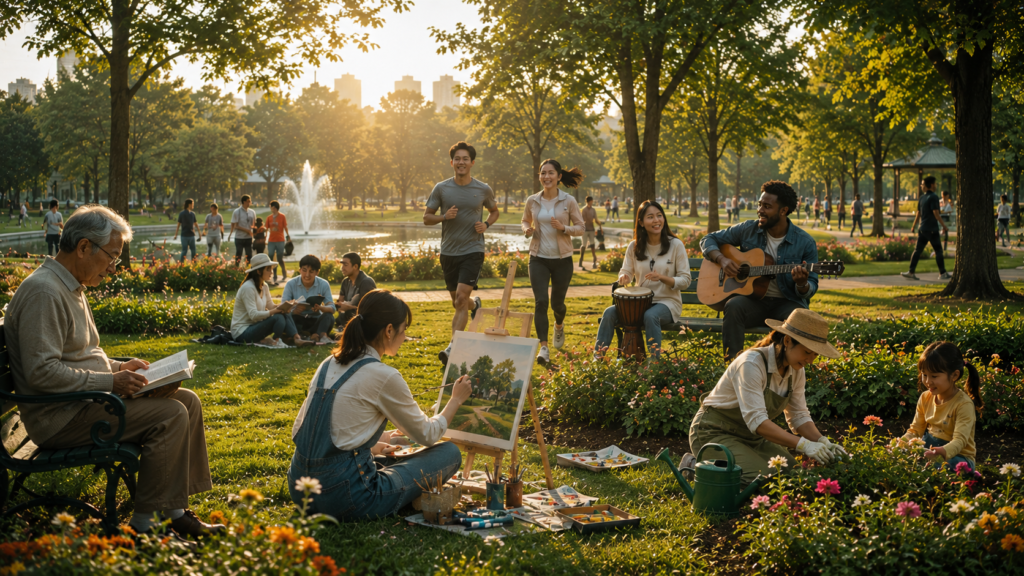
Reading, jogging, drawing, gardening, chess, cooking, hiking, journaling, and DIY crafts continue to grow in popularity partly because they are emotionally rewarding without requiring extreme financial investment.
In an era of economic uncertainty, many people are redefining leisure itself.
From Status to Emotional Balance
Instead of treating hobbies as symbols of status, some now value hobbies that promote mindfulness, simplicity, creativity, and emotional balance. This shift may represent a cultural reaction against consumerism and competitive lifestyles.
The meaning of leisure is slowly changing from “displaying success” to “protecting mental well-being.”
Conclusion
Hobbies are often described as personal choices, but access to leisure is never entirely equal.
Economic barriers, social class, cultural exposure, and technological access all influence which hobbies people can realistically pursue. As societies become more unequal, leisure itself may increasingly reflect privilege.
At the same time, public programs, digital learning platforms, and sharing economies offer new possibilities for making hobbies more accessible to wider populations.
The future of leisure may depend on an important cultural decision:
Will hobbies remain symbols of status and exclusivity, or can they become spaces of inclusion, creativity, and human connection for everyone?
In the end, a healthy society may not be one where everyone enjoys the same hobbies, but one where everyone has the genuine opportunity to discover what brings them joy.
Reader Question
Should hobbies remain symbols of status and wealth, or should every person have equal access to meaningful leisure and self-expression?
Related Reading
If AI and automation continue transforming work and everyday life, could leisure and hobbies eventually become one of the few remaining spaces where humans seek meaning and identity?
In Will Hyper-Personalization Reshape the Future of Work?, we explore how technological change may alter labor, human roles, and the emotional structure of future society.
If social class increasingly shapes not only wealth but also culture, taste, and lifestyle, how deeply does inequality influence the way people experience everyday happiness?
In Can Happiness Ever Be Measured Objectively?, we examine how economics, culture, and personal experience interact in shaping human well-being and life satisfaction.
References
- Amateurs, Professionals, and Serious Leisure
This book explores the concept of “serious leisure” and explains how hobbies become meaningful parts of personal identity and social participation. It also highlights how access to leisure activities is often shaped by economic and social conditions. - Distinction: A Social Critique of the Judgement of Taste
Bourdieu analyzes how social class influences cultural taste, hobbies, and lifestyle choices. His theory of cultural capital remains one of the most influential frameworks for understanding inequality in leisure and culture. - Bowling Alone
Putnam examines the decline of social participation and community engagement in modern society. The book helps explain why accessible hobbies and shared leisure spaces are important for maintaining social connection. - Flow: The Psychology of Optimal Experience
This classic work explores how hobbies and creative activities can produce deep psychological satisfaction and emotional balance. It argues that meaningful leisure contributes significantly to human well-being. - Hobbies: Leisure and the Culture of Work in America
Gelber traces the historical development of hobby culture and explains how leisure activities became connected to identity, class, and modern work culture in contemporary society.