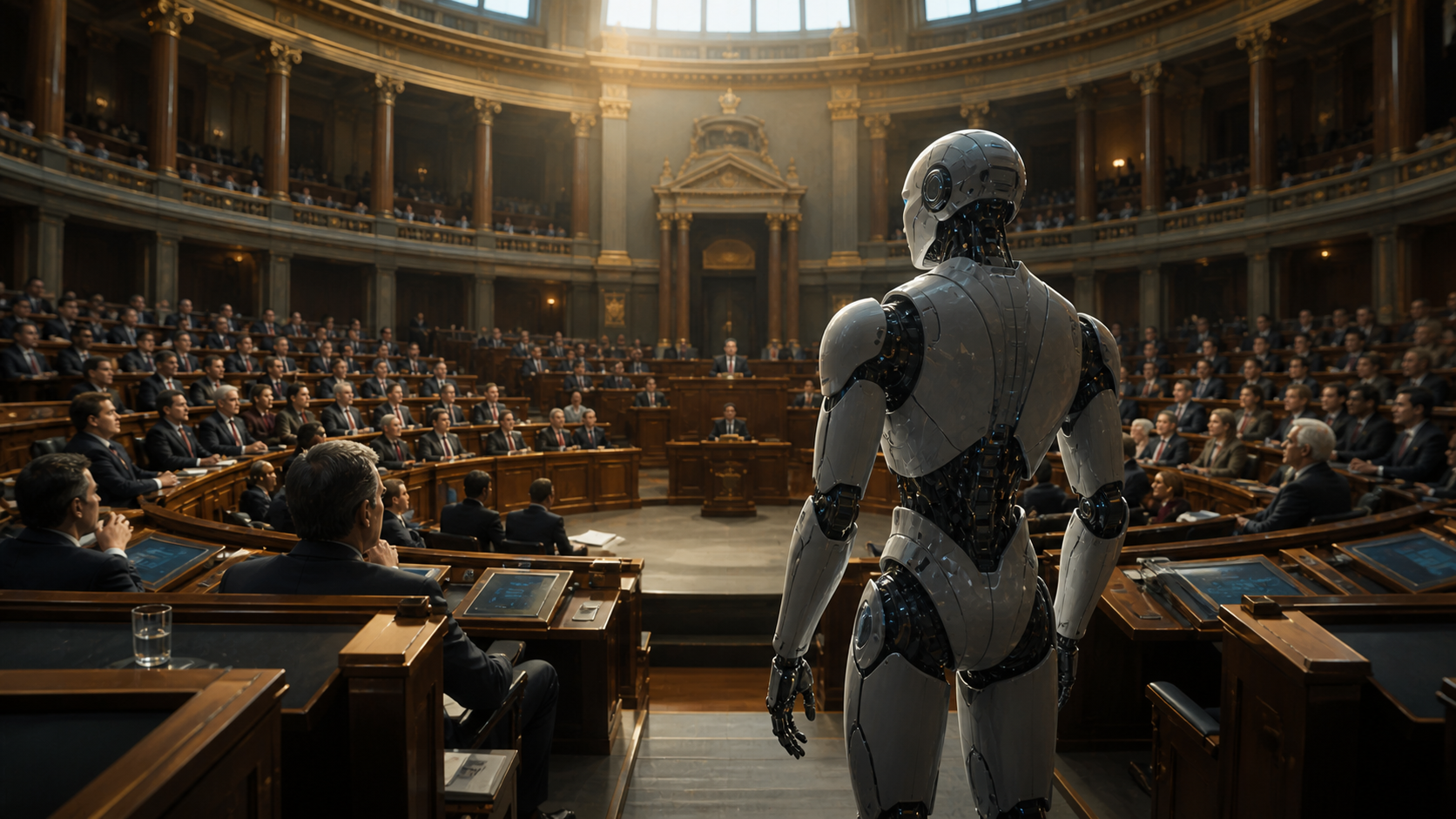
AI, Citizenship, and the Future of Political Agency
Imagine a member of parliament who never lies,
never acts out of self-interest,
and can instantly analyze public opinion.
It can weigh policy outcomes with precision
and make decisions without bias.
Yet this entity cannot vote.
It has influence—
but no political rights.
Is this a contradiction?
Or does it reveal a boundary
we are not ready to cross?
1. Is Voting a Human-Only Right?
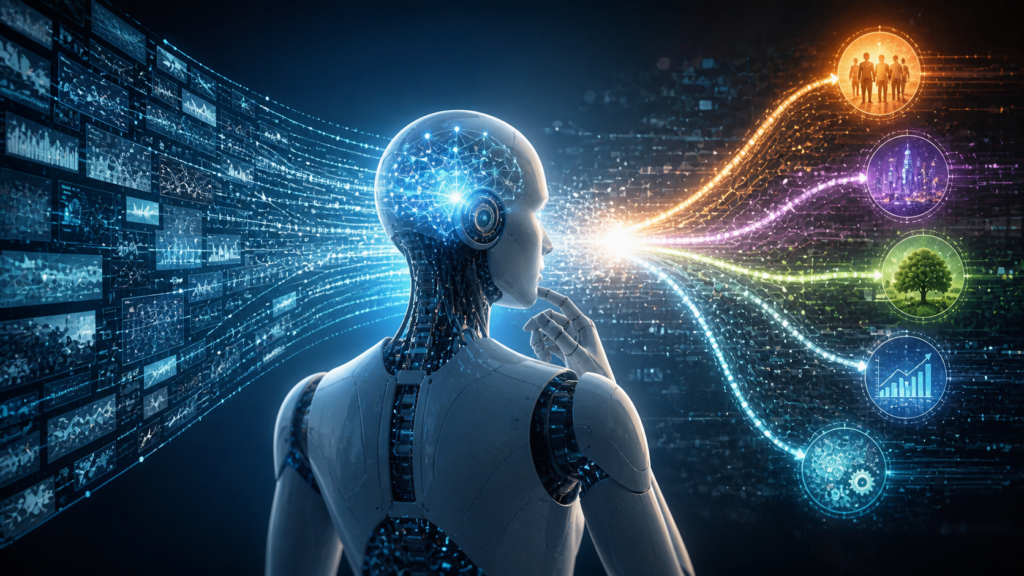
Democracy is built on the idea of popular sovereignty.
The right to vote has long been considered
a uniquely human right—
rooted in emotion, moral judgment, and responsibility.
However, as artificial intelligence advances,
machines are increasingly capable of making decisions.
In some ethical simulations,
AI demonstrates consistency and rationality
beyond human judgment.
If an entity can make better decisions than humans,
should it be excluded from political participation?
2. What Does It Mean to Be a Citizen?
Political rights depend on the concept of citizenship.
Philosopher Hannah Arendt described citizenship as
“the right to have rights.”
Citizens are not merely individuals who exist—
they are participants in a shared political world.
If AI systems interact with society,
influence decisions,
and shape outcomes,
can they remain outside the political community?
Or must we rethink what it means to belong?
3. If AI Votes, Whose Will Is It?
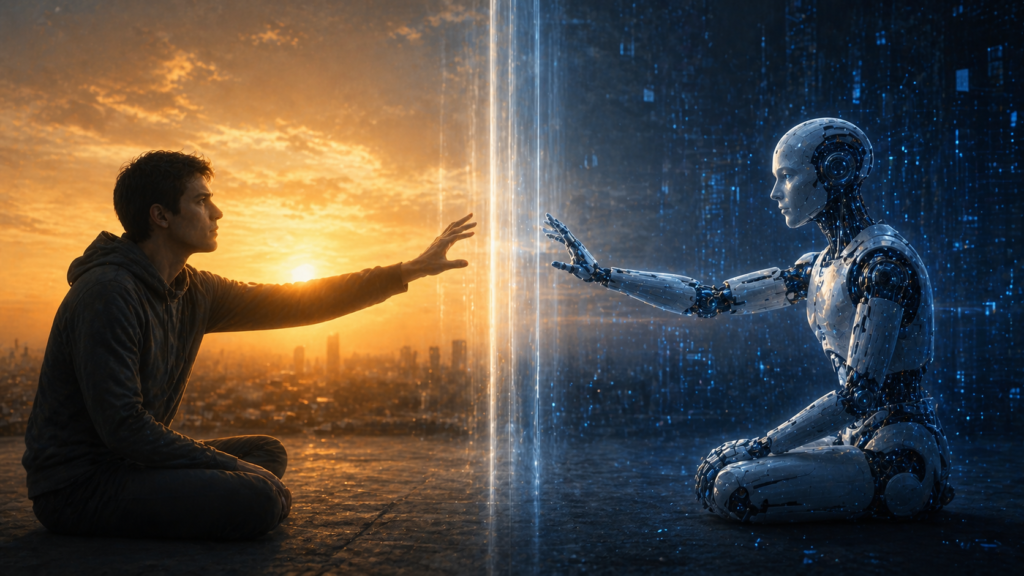
Even if AI appears to decide independently,
its judgment is based on human-designed systems.
Algorithms, data, and objectives
are all shaped by human input.
This raises a fundamental problem:
An AI vote may not represent its own will—
but the intentions embedded in its design.
Democracy relies on autonomy and accountability.
Voting is not just a choice—
it is a commitment to bear responsibility for that choice.
At present, AI cannot take responsibility
for the consequences of its decisions.
4. Beyond Voting: AI’s Growing Political Influence
Even without voting rights,
AI already plays a significant role in politics:
- analyzing public opinion
- simulating policy outcomes
- shaping information flows
In some cases,
its influence exceeds that of individual citizens.
The question, therefore, is not only
whether AI should vote—
but how its political power should be governed.
Conclusion: What Is Voting, Really?
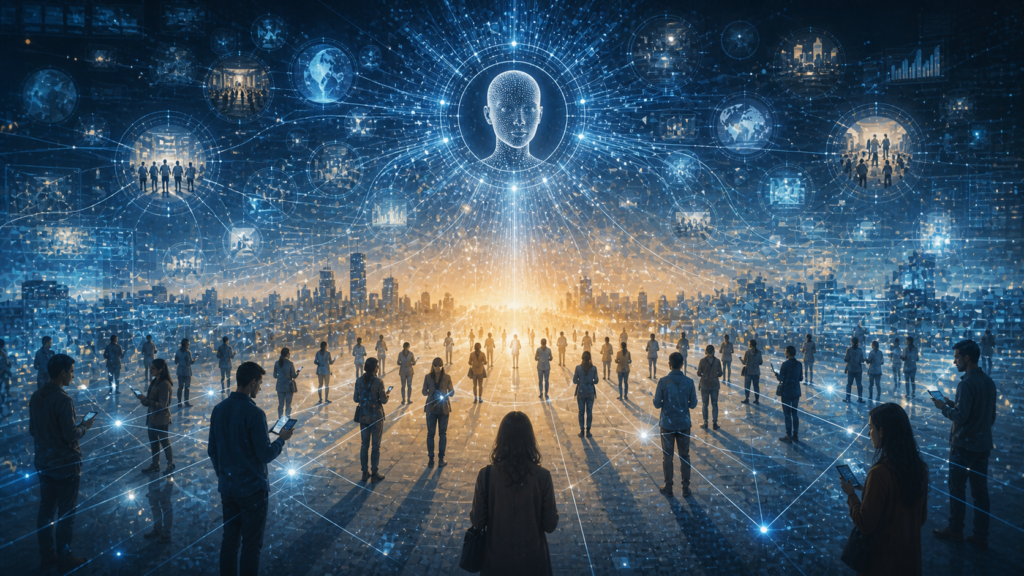
The question of AI voting rights
is not merely technological.
It forces us to reconsider:
- What is political participation?
- What defines a citizen?
- What makes a decision legitimate?
Even if AI never votes,
its presence will reshape the structure of politics.
The real question may not be
whether machines should gain rights—
but whether humans are prepared
to redefine them.
A Question for Readers
If an AI could make more rational and fair decisions than humans—
should it have a voice in democracy?
Or is the right to vote something
that must always remain human?
Related Reading
The question of political rights for AI becomes even more complex when we ask whether artificial intelligence can be treated as more than a tool.
In Is Artificial Intelligence a Tool or a New Agent?, the debate over AI agency reveals why political participation requires more than intelligence—it also requires autonomy, responsibility, and social recognition.
At the same time, the growing influence of intelligent systems raises concerns about control and autonomy.
In *How Much Surveillance Is Too Much?*, the expansion of data-driven governance shows how AI can shape decisions without ever holding formal political rights.